A roof damage estimate is a critical step in assessing the condition of a roof after it has sustained wear, weather damage, or structural issues. Whether caused by storms, age, or unforeseen accidents, roof damage requires professional evaluation to determine the scope of repairs and associated costs. An estimate gives property owners clarity, allowing them to budget, plan repairs, or work with insurance companies effectively.
Unlike a simple repair invoice, a roof damage estimate breaks down the project into labor, materials, and other factors such as disposal or permitting fees. This level of detail helps homeowners and business owners understand exactly what needs to be done and why. A reliable roof damage estimate also protects clients from hidden costs or unexpected challenges during the repair process.
What a Roof Damage Estimate Includes
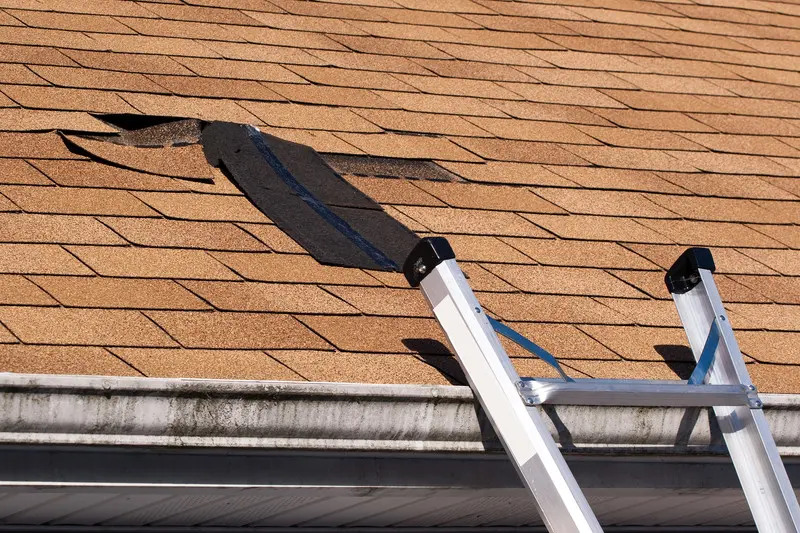
A roof damage estimate typically covers several essential components. First, it outlines the extent of the damage missing shingles, leaks, water infiltration, structural concerns, or insulation issues. Contractors will list specific repairs, such as replacing sections of shingles, fixing flashing, or addressing underlayment damage.
The estimate also includes cost details, such as labor rates, materials required, and cleanup fees. For large-scale damages, it may account for structural reinforcements or specialized roofing systems. Finally, most roof damage estimates include an expected timeline for completion and notes about warranty coverage, ensuring transparency and helping property owners set realistic expectations.
The Role of Technology in Roof Damage Estimates
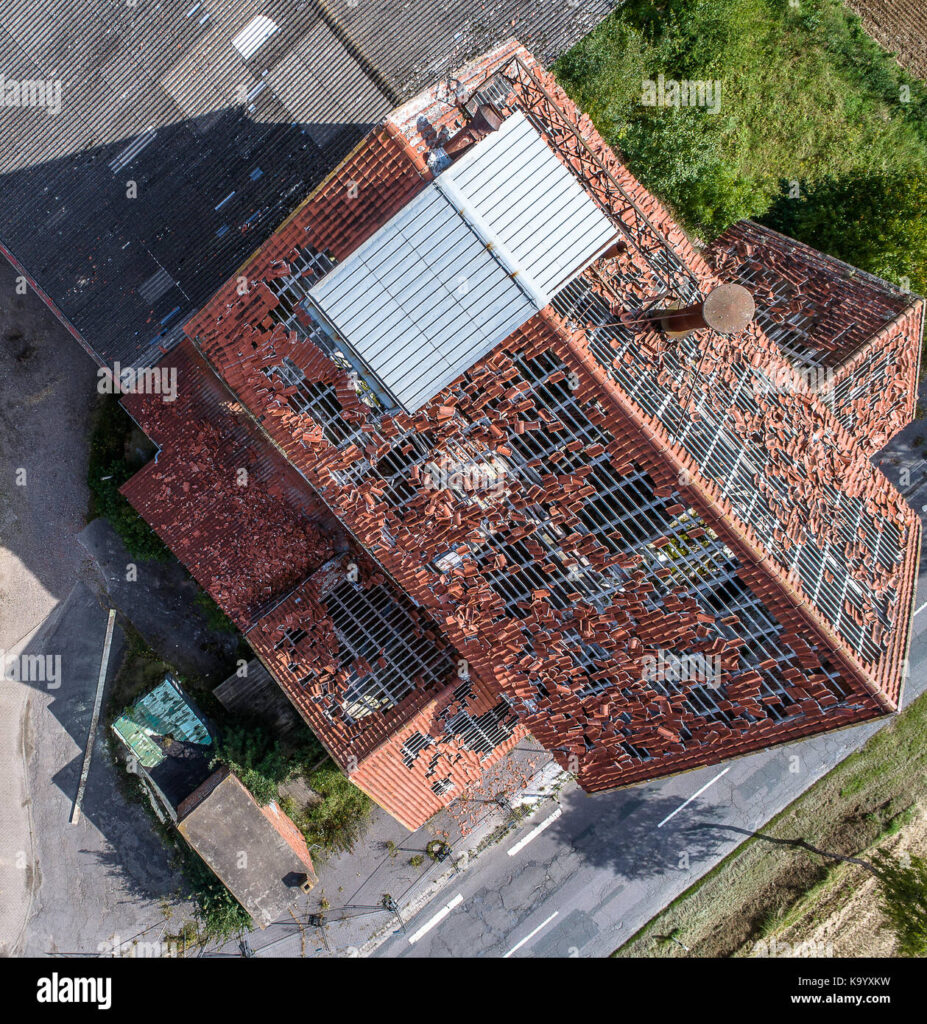
Technology has transformed the accuracy and efficiency of roof damage estimates. Drones now allow contractors to capture high-resolution images of rooftops without climbing onto them, reducing safety risks while ensuring no section is overlooked. These images provide a clear view of cracked shingles, pooling water, or storm impact points.
In addition to drones, advanced software generates 3D models of roofs, helping contractors calculate dimensions and material needs precisely. Thermal imaging cameras also play an important role by detecting hidden leaks, trapped moisture, or insulation issues that are not visible to the naked eye. With these technologies, roof damage estimates have become faster, safer, and more accurate, providing property owners with better insights for decision-making.
Real-World Examples of Roof Damage Estimates
Storm Damage Estimate
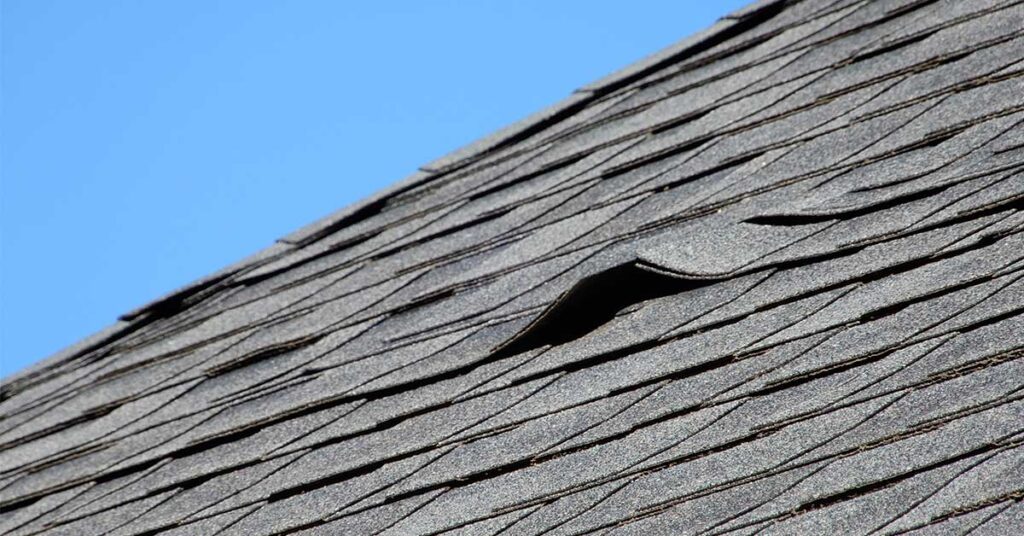
Storms are one of the most common causes of roof damage. A storm damage estimate typically includes the cost of replacing missing or broken shingles, repairing flashing, and addressing water leaks. Contractors may also assess gutters and siding to determine if the storm impact extended beyond the roof.
In practice, storm damage estimates often serve as essential documents for insurance claims. Insurers rely on these detailed reports to approve coverage for repairs. By ensuring the estimate is thorough, homeowners can avoid disputes with their insurance providers and expedite the repair process.
Hail Damage Estimate
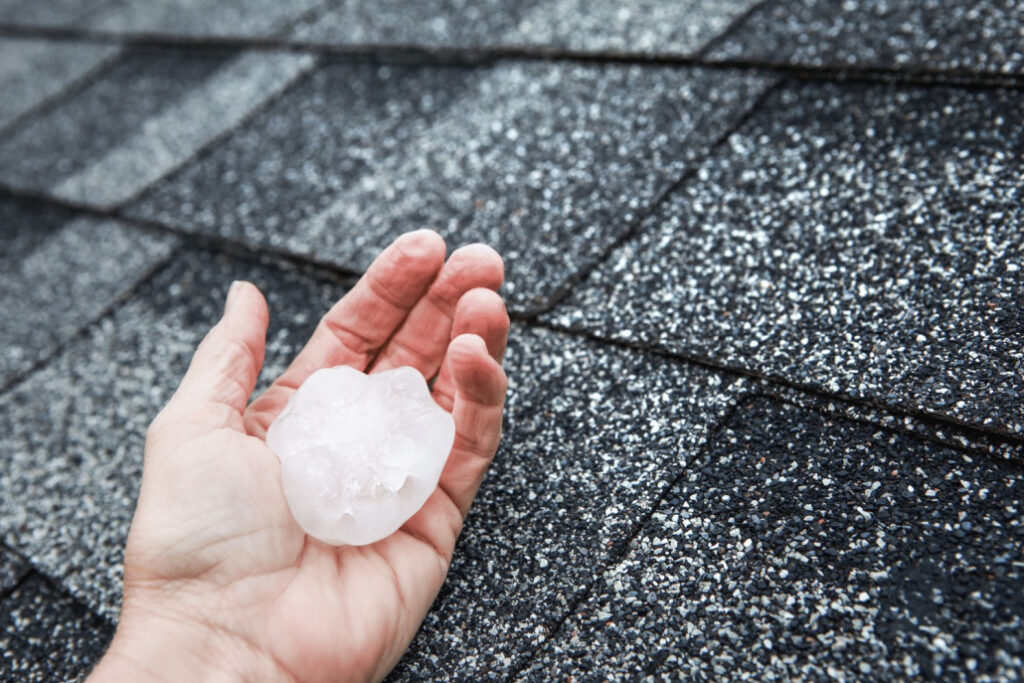
Hail can cause subtle yet extensive roof damage, such as dents in shingles, cracks in tiles, or granule loss. A hail damage estimate typically lists the replacement of affected shingles or entire sections of roofing. It may also include inspection of skylights, vents, and gutters, which are often damaged during hailstorms.
Because hail damage is not always visible from the ground, estimates supported by drone images or close-up inspections are particularly valuable. Contractors use these estimates to provide homeowners with clear proof of the damage, often critical when negotiating with insurance companies for coverage.
Water Damage Estimate
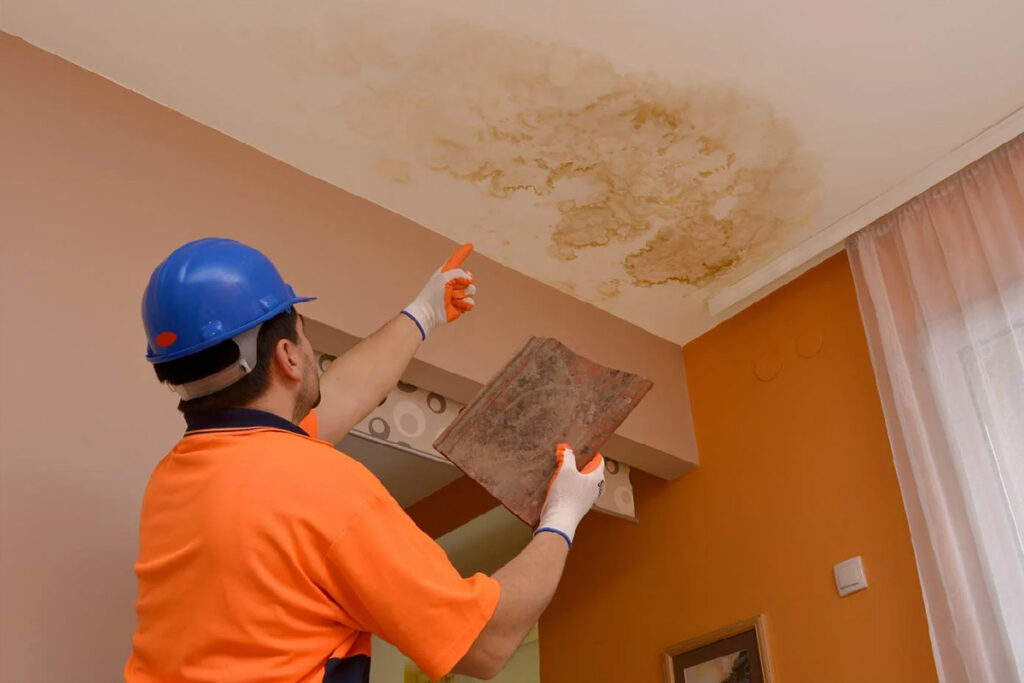
Water damage is one of the most expensive roofing issues because it can affect both the roof and the home’s interior. A water damage estimate usually includes costs for repairing leaks, replacing damaged underlayment, and addressing interior issues such as drywall or insulation.
Contractors may also recommend preventive measures, such as improving roof ventilation or upgrading to waterproof membranes. These estimates go beyond simple patchwork repairs, helping homeowners understand the broader scope of damage and the importance of addressing underlying issues.
Aging Roof Estimate
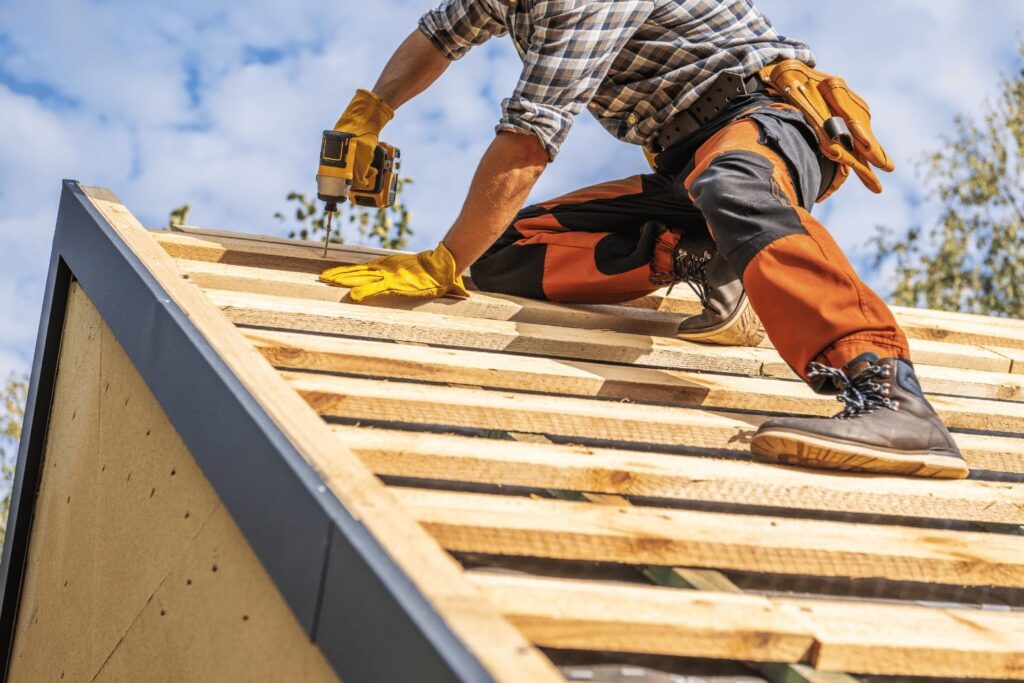
An aging roof naturally develops problems over time, including curling shingles, weakened flashing, and leaks. A roof damage estimate for aging roofs typically outlines costs for replacement rather than simple repairs. It will often include material options such as asphalt shingles, metal roofing, or tile.
For homeowners planning to sell their property, these estimates are especially important. A clear document outlining the cost of repairs or replacements can influence negotiations and property value, giving buyers confidence in the investment.
Benefits of Detailed Roof Damage Estimates
Detailed roof damage estimates provide several practical benefits. First, they give homeowners financial clarity, breaking down every cost involved. This transparency helps property owners budget and prevents unexpected expenses from surfacing mid-project.
Second, estimates provide documentation for insurance claims. When disaster strikes, insurers require proof of damage and repair costs. A thorough estimate, complete with photographs and measurements, speeds up claims and reduces disputes.
Finally, detailed estimates help property owners make informed decisions. By comparing multiple quotes, they can evaluate differences in materials, warranties, and services. This comparison empowers them to choose a contractor who aligns with their financial and performance expectations.
Practical Use Cases for Roof Damage Estimates
Insert image of the product: Homeowner reviewing multiple estimates at the kitchen table after roof inspection.
Roof damage estimates are valuable in numerous real-world scenarios:
-
Post-Storm Insurance Claims: Homeowners can use detailed estimates as evidence when filing claims with their insurance providers.
-
Real Estate Transactions: Sellers may provide estimates to buyers as part of property disclosures, helping with negotiations.
-
Preventive Maintenance Planning: Estimates help businesses or landlords anticipate costs and plan roof maintenance budgets.
-
Emergency Repairs: After sudden leaks or collapses, estimates provide fast clarity for repair prioritization.
-
Energy Efficiency Upgrades: Homeowners considering roof replacements for efficiency improvements can use estimates to compare different materials and their long-term benefits.
Each use case demonstrates the versatility and importance of roof damage estimates, showing that they are not just financial tools but also planning and negotiation resources.
Frequently Asked Questions
1. How long does it take to receive a roof damage estimate?
Most estimates are provided within 24–72 hours after an inspection. However, larger or more complex roofs may take longer due to detailed measurements and documentation requirements.
2. Are roof damage estimates free?
Many roofing companies offer free estimates, though some may charge for detailed inspections, especially if advanced technology such as drones or thermal imaging is used. Always confirm before scheduling.
3. Can I use a roof damage estimate for insurance claims?
Yes, roof damage estimates are often required for insurance claims. A detailed estimate, supported by photos and inspection reports, strengthens your claim and helps avoid disputes with insurers.