Blog

  • Proven Ways to Get Roofing Leads: Strategies for Consistent Growth

    Proven Ways to Get Roofing Leads: Strategies for Consistent Growth

    The roofing industry is highly competitive, and success often comes down to one critical factor—consistent, high-quality leads. Without a steady flow of roofing leads, even the most skilled contractors struggle to maintain growth. That’s why mastering effective lead generation strategies is crucial.

    This article provides an in-depth look at proven ways to get roofing leads, covering traditional approaches, modern digital strategies, real-world examples, and the role of technology in transforming customer acquisition for roofing businesses.

    Why Roofing Leads Are Critical for Business Success

    Every roofing project begins with a lead. Whether it comes from a homeowner searching online, a referral from a past client, or a local networking event, the lead serves as the first step toward building trust and winning a contract. Roofing leads not only increase revenue opportunities but also strengthen brand visibility in a crowded marketplace.

    Unlike one-time sales industries, roofing contractors rely heavily on building a pipeline of future projects. With weather conditions, insurance claims, and seasonal demand influencing the market, generating roofing leads ensures stability during slow periods.

    Digital Marketing Strategies for Roofing Leads

    Search Engine Optimization (SEO)

    hookagency.com

    SEO remains one of the most reliable long-term strategies for roofing lead generation. By optimizing a roofing company’s website with targeted keywords such as “roof replacement near me” or “emergency roof repair,” businesses can appear in local search results when potential customers are actively seeking help.

    Content marketing also plays a vital role in SEO. Blogging about roof maintenance tips, shingle comparisons, or storm damage repair not only attracts organic traffic but also establishes credibility with homeowners. With Google rewarding websites that deliver useful, well-structured content, roofing businesses that invest in SEO can build authority and capture leads consistently.

    Pay-Per-Click Advertising (PPC)

    xtremeads. in

    While SEO is a long-term investment, PPC offers immediate visibility. Platforms like Google Ads and Bing Ads allow roofers to appear at the very top of search results for highly competitive keywords. For instance, when a homeowner searches “roof repair after hailstorm,” a roofing company with a targeted PPC campaign can capture that urgent need instantly.

    The key is to design compelling ad copy and optimize landing pages that encourage quick conversions. PPC can be costly if not managed well, but when executed strategically, it delivers fast and qualified roofing leads.

    Leveraging Social Media for Roofing Leads

    Facebook and Instagram Advertising

    reachdigitalgroup.com

    Social media platforms like Facebook and Instagram offer visual storytelling opportunities for roofers. Sharing before-and-after project photos, testimonials, and time-lapse videos not only builds brand credibility but also generates trust. Homeowners are more likely to engage with businesses that showcase real results.

    Paid social ads further extend reach by targeting specific demographics—such as homeowners in a certain zip code. This ensures that ads reach the most relevant audience, increasing the chances of converting viewers into roofing leads.

    LinkedIn for Commercial Roofing Leads

    media.licdn.com

    For roofers specializing in commercial projects, LinkedIn provides an effective channel for connecting with property managers, real estate developers, and construction firms. By publishing thought-leadership posts about roofing innovations or energy-efficient roofing materials, companies can attract business decision-makers.

    Engaging in LinkedIn groups related to property management also strengthens networking opportunities, making it easier to secure high-value commercial roofing leads.

    Referrals and Word-of-Mouth Marketing

    One of the oldest yet most effective ways to get roofing leads is through referrals. Satisfied homeowners often share their experiences with friends, family, and neighbors. Implementing a referral program—such as offering discounts or rewards for recommendations—can amplify this effect.

    Trust plays a significant role here. When potential clients hear positive stories directly from people they know, they are more likely to choose that roofing contractor over competitors. In fact, many roofing businesses thrive almost entirely on word-of-mouth marketing, especially in smaller communities.

    Networking and Local Partnerships

    Networking with local businesses can also lead to a steady stream of roofing leads. Partnering with real estate agents, insurance adjusters, and home improvement stores provides access to customers who already need roofing services.

    For example, real estate agents often require roofing inspections before closing deals, while insurance adjusters regularly assess storm damage. By building partnerships, roofing companies position themselves as trusted go-to service providers.

    Using Technology to Generate Roofing Leads

    Customer Relationship Management (CRM) Software

    Using Technology to Generate Roofing Leads

    CRM platforms like HubSpot, JobNimbus, and Salesforce help roofing businesses organize, track, and nurture leads. By centralizing customer data, CRMs allow companies to follow up on inquiries quickly, schedule appointments, and send automated reminders.

    This technology ensures no potential lead slips through the cracks, making operations more efficient and customer-focused.

    Roofing Lead Generation Platforms

    Specialized platforms like Angi, HomeAdvisor, and Thumbtack connect roofing companies with homeowners searching for contractors. While these services charge fees, they provide immediate access to active prospects.

    However, not all leads from these platforms are exclusive, so businesses must differentiate themselves with strong follow-up and excellent customer service. When used strategically, these platforms can provide a reliable pipeline of roofing leads.

    Real-World Examples of Roofing Lead Generation

    Example 1: JobNimbus CRM

    JobNimbus has become a favorite among roofing contractors due to its ease of use and integration with project management tools. Contractors can track incoming roofing leads, assign tasks, and automate workflows. By centralizing communication, roofing companies reduce delays and improve customer satisfaction.

    This directly translates into better lead nurturing, ensuring that prospects don’t lose interest while waiting for responses.

    Example 2: HomeAdvisor Roofing Leads

    HomeAdvisor provides roofing contractors with access to a wide network of homeowners searching for immediate services. Roofers can receive leads in real time, allowing them to contact potential clients before competitors.

    The platform’s review system also helps establish credibility, as satisfied clients leave testimonials visible to prospects. This creates a cycle of trust and new lead generation.

    Example 3: Facebook Ads for Roofers

    A mid-sized roofing company in Texas used Facebook Ads to showcase storm damage repairs. By targeting neighborhoods recently hit by hailstorms, the company received over 200 qualified leads in a single month.

    This case highlights how combining local targeting with compelling visuals creates urgency, helping homeowners take quick action.

    Benefits of Implementing Roofing Lead Generation Strategies

    Effective lead generation strategies do more than just fill the sales pipeline—they improve long-term business growth. By investing in digital marketing, networking, and technology, roofing contractors can:

    • Maintain a steady flow of projects during seasonal slowdowns.

    • Build stronger brand recognition and community trust.

    • Save time through automation and organized CRM systems.

    • Target specific demographics for higher conversion rates.

    • Scale operations without losing quality service.

    These advantages not only ensure survival in a competitive industry but also pave the way for expansion into new markets.

    Use Cases: Real-Life Problems Roofing Leads Solve

    Seasonal Downtime

    Roofing businesses often experience slow seasons when weather conditions reduce demand. By implementing lead generation strategies like SEO and referral programs, contractors can secure future projects in advance, ensuring cash flow even during off-peak months.

    Emergency Storm Repairs

    After severe storms, homeowners urgently need roofing services. Companies using PPC or social media targeting can quickly capture these urgent requests, helping families secure their homes while generating profitable contracts.

    Expanding into Commercial Markets

    Roofers seeking to move beyond residential projects can use LinkedIn and local partnerships to build connections with property managers. This expands opportunities into large-scale, high-value commercial contracts.

    Frequently Asked Questions

    1. What is the most cost-effective way to get roofing leads?
    The most cost-effective strategy is SEO, as it provides long-term visibility without continuous ad spend. However, it requires consistent effort in content creation and optimization to see results.

    2. Are roofing lead generation platforms worth it?
    Yes, but with caution. Platforms like HomeAdvisor or Angi can provide immediate leads, but they are often shared among multiple contractors. To maximize results, roofing companies must follow up quickly and differentiate themselves with excellent service.

    3. How can a small roofing company compete with larger contractors in lead generation?
    Smaller roofing companies can focus on hyper-local SEO, building strong referral programs, and personalizing customer experiences. By highlighting community presence and quick response times, they can compete effectively against larger firms.

  • Get Roofing Quotes: Everything You Need to Know Before Hiring a Contractor

    Get Roofing Quotes: Everything You Need to Know Before Hiring a Contractor

    Roofing is one of the most significant investments a homeowner or property manager will make. Whether it’s a small repair or a complete replacement, knowing how to get roofing quotes is critical for making informed decisions. A roofing quote provides a clear picture of costs, timelines, materials, and services included. It also sets expectations for both the contractor and the client, reducing the chances of misunderstandings later.
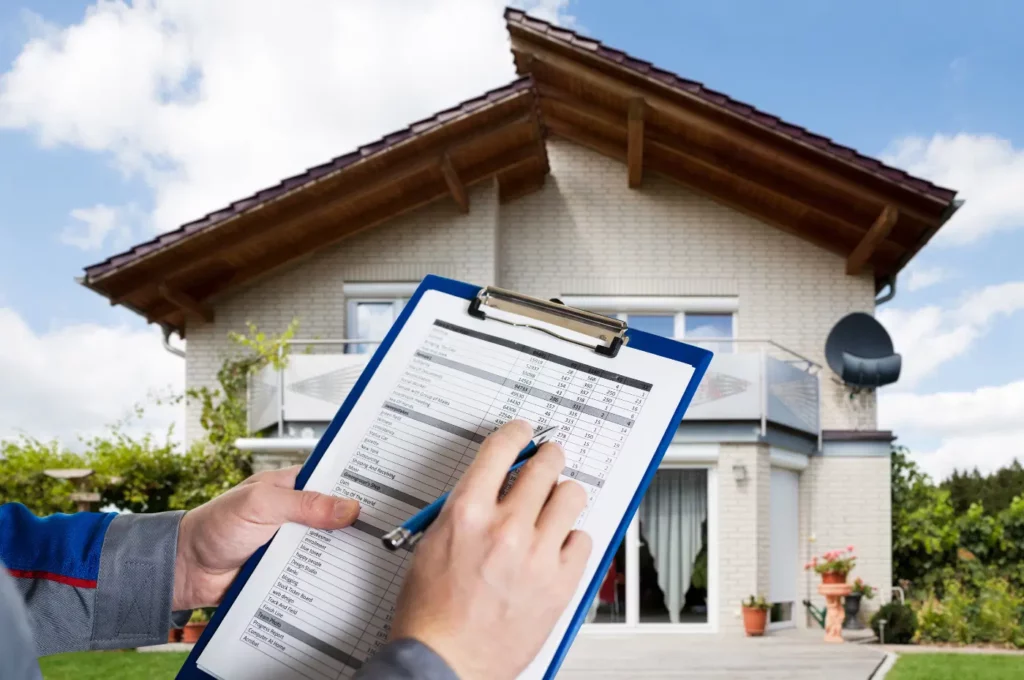
    When people get roofing quotes, they can compare different contractors, evaluate the quality of proposed solutions, and ensure the project aligns with their budget. This process not only helps identify fair pricing but also highlights differences in service, such as warranties, workmanship guarantees, and responsiveness. By gathering multiple quotes, property owners can make decisions that balance cost with quality and long-term durability.

    What a Roofing Quote Should Include

    www.americanweatherstar.com

    A comprehensive roofing quote should be more than just a lump sum. It typically includes details about labor, material costs, disposal of old materials, permits, and warranties. A high-quality quote also breaks down the type of roofing system being used, whether asphalt shingles, metal roofing, or tile.

    Transparency is key. A professional contractor provides detailed line items explaining each cost, ensuring there are no hidden fees. This clarity allows the homeowner to understand the scope of the project and compare multiple quotes fairly. Furthermore, roofing quotes should outline the projected start and completion dates, which helps homeowners plan around the work.

    The Role of Technology in Getting Roofing Quotes

    www.eagleview.com

    Technology has transformed how homeowners and contractors handle roofing quotes. In the past, quotes required lengthy site visits and manual inspections. Today, tools such as drones, satellite imagery, and digital measuring software allow contractors to provide accurate estimates faster. These technologies reduce human error and allow contractors to prepare quotes remotely, sometimes within hours of an inquiry.

    Online platforms have also simplified the process of getting roofing quotes. Homeowners can now request estimates through specialized apps or contractor networks, making it easier to connect with qualified professionals in their area. Additionally, Customer Relationship Management (CRM) systems help contractors track quote requests, follow up with clients, and provide professional, well-formatted proposals that stand out.

    Real-World Examples of Roofing Quotes in Action

    Example 1: Emergency Roof Repair After a Storm

    Users/ASUS

    After a severe storm, a homeowner discovered multiple leaks in their roof. By contacting local contractors to get roofing quotes, they quickly received several detailed estimates. The urgency of the repair made the quotes more direct, focusing on temporary fixes followed by long-term replacement options. This situation highlights the importance of obtaining multiple quotes to balance immediate needs with long-term solutions.

    Example 2: Commercial Flat Roof Replacement

    A property manager overseeing a large commercial building needed a complete flat roof replacement. Getting roofing quotes from multiple commercial contractors revealed significant differences in approach. Some recommended single-ply membranes, while others suggested built-up roofing systems. The detailed quotes not only showed cost differences but also allowed the property manager to evaluate warranties, maintenance plans, and projected life spans.

    Example 3: Energy-Efficient Roofing Upgrade

    Homeowners interested in sustainable solutions often request quotes for energy-efficient upgrades. One example involved a homeowner considering solar-ready shingles. By getting roofing quotes from different contractors, the homeowner compared not just prices but also the long-term energy savings and return on investment. These quotes helped them choose a system that balanced upfront cost with long-term efficiency.

    Example 4: Insurance-Driven Roofing Replacement

    In cases of insurance-backed repairs, roofing quotes are critical. A homeowner filing a claim after hail damage requested multiple quotes to provide to the insurance company. The detailed estimates ensured that all aspects of the replacement, including debris disposal and upgraded materials, were accounted for. This process sped up claim approval and ensured the homeowner received adequate compensation.

    Example 5: Pre-Sale Roofing Inspections and Quotes

    In the real estate market, roofing quotes play a vital role. A seller needing to address roofing concerns before listing their home requested multiple estimates. These quotes provided cost clarity, allowing the seller to decide whether to repair before listing or adjust the asking price accordingly. In this case, roofing quotes served as negotiation tools that impacted the home’s final sale.

    Benefits of Getting Roofing Quotes

    Getting roofing quotes provides several advantages that go beyond simple price comparison. First, it creates transparency. When homeowners see a breakdown of costs, they understand exactly what they are paying for and can avoid hidden charges. This transparency builds trust with contractors and ensures smoother project execution.

    Another benefit is competition. When multiple contractors know they are being compared, they are more likely to present their best prices and service options. This competition benefits the homeowner by ensuring fair market pricing and improved service quality. Finally, roofing quotes help with financial planning. By knowing exact costs upfront, property owners can set aside funds, apply for financing if needed, and move forward with confidence.

    Practical Use Cases for Roofing Quotes

    Use Case 1: Budget Planning for Major Roof Replacements

    A homeowner preparing for a complete roof replacement can request multiple roofing quotes months in advance. This allows them to budget, plan financing, and schedule the work during the best season.

    Use Case 2: Comparing Material Options

    By requesting detailed quotes that specify materials, homeowners can compare the benefits of asphalt shingles versus metal roofing. This not only reveals price differences but also helps evaluate durability and long-term maintenance needs.

    Use Case 3: Navigating Insurance Claims

    When dealing with storm damage, roofing quotes become essential for insurance approval. Multiple estimates provide proof of fair market pricing, which can speed up the claim process and ensure proper coverage.

    Use Case 4: Real Estate Transactions

    Roofing quotes often play a critical role in buying or selling a home. Buyers may request estimates to understand repair costs, while sellers use them to justify asking prices or complete necessary repairs.

    Use Case 5: Preventive Maintenance and Repairs

    tps://toolsense.io/wp-content/

    Even without major damage, homeowners can get roofing quotes for smaller repairs or preventative maintenance. These quotes help extend the life of the roof and prevent larger, more costly problems later.

    Frequently Asked Questions

    1. How many roofing quotes should I get before choosing a contractor?
    It’s recommended to get at least three quotes. This provides enough information to compare pricing, materials, and service offerings without overwhelming the decision-making process.

    2. What should I look for in a roofing quote?
    A good roofing quote should include a breakdown of labor, materials, timelines, warranties, and disposal costs. Transparency and clarity are essential to avoid hidden charges.

    3. Can roofing quotes be done remotely using technology?
    Yes, many contractors now use drone inspections, satellite imagery, and digital measuring tools to provide accurate quotes remotely. While an in-person inspection may still be required, technology speeds up the process and improves accuracy.

  • Qualified Roofing Leads: How Contractors Can Maximize Growth with High-Quality Prospects

    Qualified Roofing Leads: How Contractors Can Maximize Growth with High-Quality Prospects

    Qualified roofing leads are prospects that have been filtered to ensure they meet specific conditions making them more likely to become paying customers. Unlike cold leads, which may include random inquiries with little intent, qualified leads typically come from individuals or businesses with an immediate roofing need, budget, and willingness to engage a contractor.
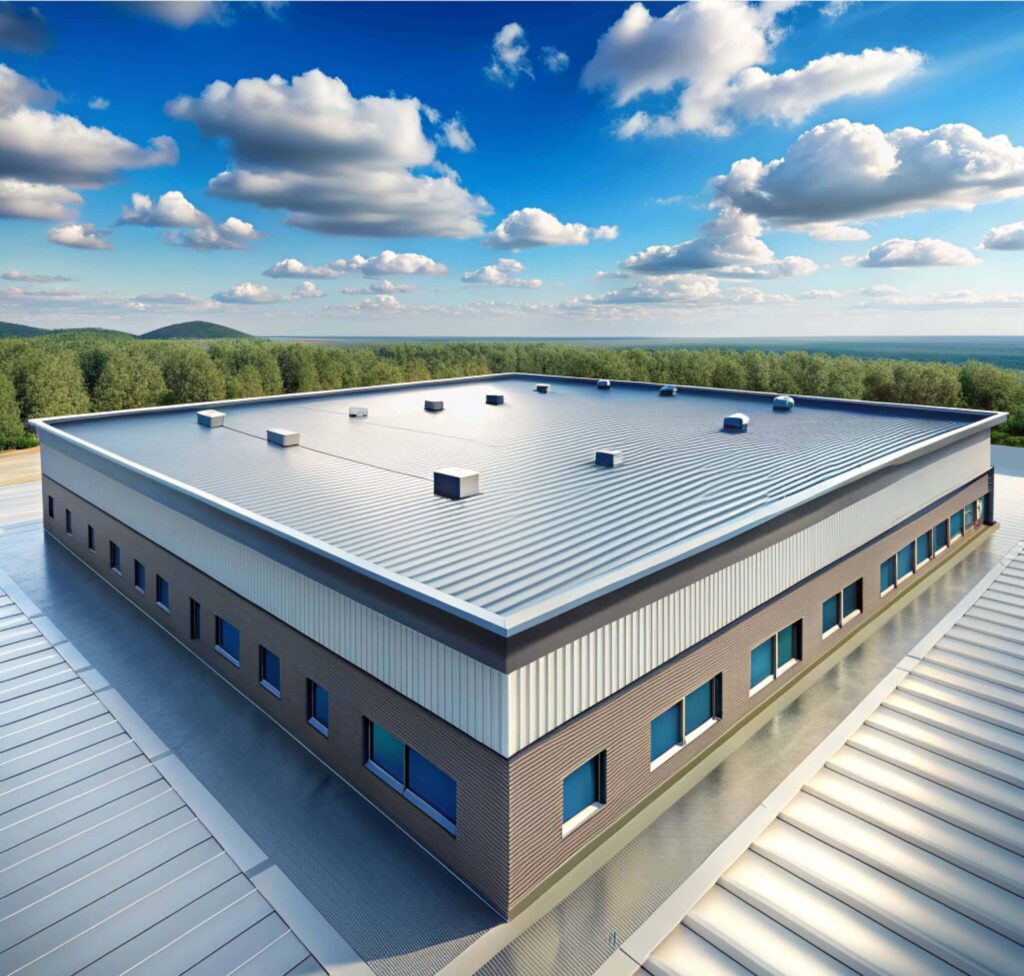
    These leads can originate from homeowners dealing with roof leaks, commercial property managers planning renovations, or even insurance-related claims after storms. The main factor that sets them apart is intent—they are not just curious; they are actively looking for a solution. For contractors, qualified leads mean higher conversion rates, more efficient sales cycles, and reduced wasted effort on uninterested prospects.

    Why Qualified Roofing Leads Are Essential for Contractors

    shumakerroofing.com

    In the roofing industry, every lead requires attention, but not all prospects contribute to business growth. Pursuing unqualified leads often wastes time and money. By contrast, focusing on qualified roofing leads ensures contractors can prioritize real opportunities with genuine potential.

    A major benefit of qualified leads is predictability. Since these leads are more likely to convert, contractors can better forecast their project pipeline and financial outlook. This allows for better planning of labor, materials, and scheduling. Over time, consistent access to qualified roofing leads strengthens reputation, builds trust with clients, and generates positive referrals that bring in additional business.

    The Role of Technology in Acquiring Qualified Roofing Leads

    rankroofer.digital

    Technology has revolutionized how roofing companies find, assess, and manage qualified leads. One of the most impactful tools is Customer Relationship Management (CRM) software, which enables contractors to organize, track, and nurture potential clients. CRMs often include automated lead scoring features, ranking prospects based on urgency, budget, and project scope.

    Digital advertising platforms such as Google Ads and Facebook Ads allow hyper-local targeting. Contractors can reach homeowners searching for roofing services in specific neighborhoods, ensuring leads are more relevant. Additionally, advanced technologies like satellite imaging and drone inspections improve the accuracy of online estimates, turning casual inquiries into qualified prospects. With quicker, more precise quotes, contractors can build trust early and move leads further down the sales funnel.

    Real-World Examples of Qualified Roofing Leads

    Example 1: Storm-Damaged Residential Roofing Leads

    One of the most common sources of qualified roofing leads comes after severe weather. Homeowners experiencing hail, wind, or tree damage often seek immediate repair. These leads are highly qualified because the need is urgent and often backed by insurance. Contractors who act quickly in such scenarios typically secure fast approvals and project commitments.

    Example 2: Commercial Roofing Maintenance Requests

    Commercial property managers often request quotes for routine inspections, preventative maintenance, or roof replacement projects. These leads are qualified because they come from decision-makers with budgets already in place. For contractors, this not only provides revenue from the initial job but also opens doors for long-term service contracts, which can ensure recurring business year after year.

    Example 3: Energy-Efficient Roofing Projects

    In recent years, homeowners have become more interested in sustainability and energy efficiency. Leads generated from those seeking solar-ready roofing systems, reflective shingles, or other eco-friendly upgrades are typically more serious and better funded. Contractors benefit from these leads because the customers are motivated by both energy savings and long-term value, often leading to higher-budget projects.

    Example 4: Insurance-Backed Roofing Leads

    Insurance claim-related leads are another valuable category. When a homeowner files a claim after storm damage, funding is often secured, making the lead more qualified than a standard inquiry. Contractors who understand how to navigate insurance paperwork can quickly close these deals, resulting in faster project approvals and consistent cash flow.

    Example 5: Real Estate Pre-Sale Roofing Inspections

    xpertsource.com

    Another overlooked but highly qualified lead source is the real estate market. Sellers and buyers often need roofing inspections or repairs to finalize sales. These leads are time-sensitive and funded, making them particularly valuable. Contractors who work with real estate professionals can establish a reliable referral network that consistently delivers qualified roofing leads.

    Benefits of Focusing on Qualified Roofing Leads

    The advantages of working with qualified roofing leads go beyond just revenue. One of the biggest benefits is efficiency. By filtering out unqualified prospects, roofing companies can dedicate time and energy to leads most likely to convert. This reduces wasted effort on cold inquiries and increases overall productivity.

    Another benefit is improved customer relationships. Qualified leads expect timely communication and professional service. By concentrating on this group, contractors can provide detailed consultations, accurate estimates, and prompt follow-ups. This level of service often results in long-term loyalty, referrals, and repeat business.

    Additionally, qualified leads allow roofing companies to scale more effectively. With a consistent flow of relevant prospects, contractors can plan for staffing, order supplies with confidence, and grow into new service areas without unpredictable gaps in demand.

    Practical Use Cases for Qualified Roofing Leads

    qualified roofing leads

    Use Case 1: Boosting Conversion Rates

    A contractor struggling with low sales conversions may refocus efforts on acquiring qualified leads. Instead of chasing hundreds of cold calls, the contractor leverages digital ads to attract homeowners actively searching for roof repairs. Within weeks, the conversion rate improves significantly because the inquiries come from motivated prospects.

    Use Case 2: Reducing Marketing Waste

    Roofing companies often overspend on broad marketing campaigns. By shifting to qualified lead generation, contractors can target specific demographics, neighborhoods, or damage-related inquiries. This precision eliminates wasted ad spend and improves return on investment.

    Use Case 3: Expanding Commercial Services

    A contractor wanting to diversify into commercial projects can target property managers directly. These leads are qualified because the projects involve large budgets and decision-makers. Over time, the contractor secures recurring contracts for inspections and repairs, creating a steady revenue stream.

    Use Case 4: Entering New Geographic Markets

    When contractors expand into new neighborhoods, qualified roofing leads help establish a presence. By focusing on prospects actively seeking services in that area, contractors build trust quickly, which accelerates growth and strengthens their local reputation.

    Use Case 5: Building Long-Term Business Stability

    Qualified leads support long-term stability by creating a steady pipeline of jobs. Instead of fluctuating between busy and slow seasons, contractors with reliable lead sources can maintain consistent operations, keeping crews busy year-round.

    Frequently Asked Questions

    1. What makes a roofing lead “qualified”?
    A roofing lead is considered qualified when the prospect has a genuine need, an available budget, and a clear intent to hire a contractor. These leads often come from homeowners or businesses seeking immediate or planned roofing work.

    2. How can technology improve roofing lead qualification?
    Technology such as CRM platforms, targeted ads, and satellite imagery improves lead qualification by tracking prospect behavior, filtering based on intent, and delivering accurate project estimates. These tools help contractors focus only on high-value prospects.

    3. Are qualified roofing leads only valuable for residential contractors?
    Not at all. Both residential and commercial contractors benefit from qualified leads. Homeowners often require urgent roof repairs or upgrades, while commercial property managers look for large-scale projects and maintenance contracts, making both markets valuable.

  • Roofing and Siding Contractors in My Area: Complete Guide to Finding Trusted Local Experts

    Roofing and Siding Contractors in My Area: Complete Guide to Finding Trusted Local Experts

    When you search for “roofing and siding contractors in my area,” you’re looking for more than just convenience. Local contractors bring community-based expertise that ensures your property is protected and visually appealing. Roofing and siding are critical parts of any structure they defend against weather, insulate your home, and define curb appeal. Having contractors nearby ensures that these systems are installed and maintained with local building codes, climate conditions, and architectural trends in mind.
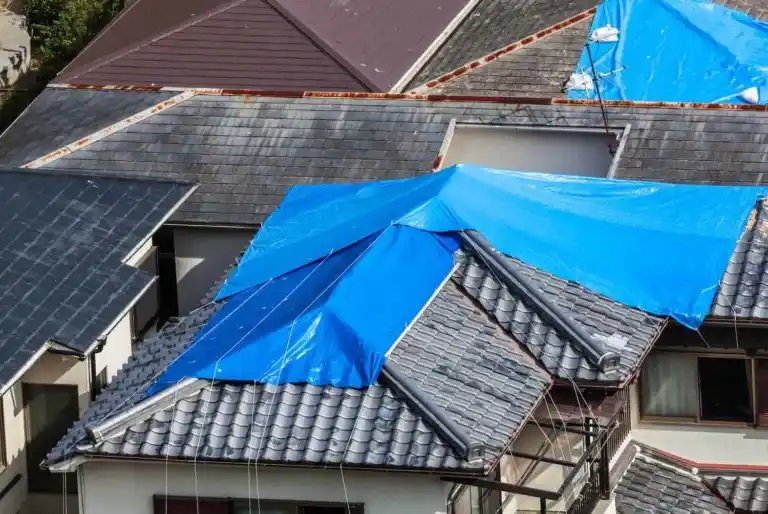
    Local contractors are also more accessible and reliable in emergencies. If a storm causes roof leaks or siding damage, you won’t wait days for help to arrive. Instead, nearby professionals can respond quickly, providing both short-term fixes and long-term solutions. Their proximity builds trust since you can often see their work firsthand throughout your community.

    Key Services Provided by Roofing and Siding Contractors

    Roofing and siding contractors in your area typically offer a wide range of services that cover both residential and commercial needs. Roofing services include inspections, shingle replacement, leak repair, flat roof maintenance, skylight installation, and complete roof replacements. On the siding side, contractors specialize in installation, repair, insulation upgrades, and replacement of vinyl, wood, fiber cement, and metal siding.

    What makes local contractors stand out is their familiarity with the types of roofing and siding materials commonly used in your neighborhood. They understand which materials withstand local weather best, whether it’s heavy snowfall, coastal humidity, or intense sun exposure. Beyond installation, these contractors provide preventive maintenance, helping homeowners and businesses avoid costly structural damage.

    How Technology is Transforming Roofing and Siding Services

    images.ctfassets.net

    Technology has changed the way local contractors operate, making services more efficient and transparent. Drones are now widely used to inspect both roofs and siding, capturing detailed imagery without the risks of climbing ladders. This technology allows contractors to spot small issues before they become major repairs.

    Digital quoting software is another advancement. Many roofing and siding contractors now generate accurate estimates within hours by using satellite imaging and 3D modeling. Homeowners can even preview how new siding colors or roofing materials will look on their home before committing. These innovations not only save time but also give property owners confidence in their decisions.

    Real-World Examples of Roofing and Siding Services

    Residential Asphalt Shingle Roof and Vinyl Siding Replacement

    www.smartextpros.com

    A common service local contractors provide is a combined roof and siding replacement. For example, a homeowner with aging asphalt shingles and faded vinyl siding may hire a contractor to complete both projects at once. This ensures that the materials complement each other visually while improving insulation and weather resistance. Local knowledge helps contractors recommend shingle colors and siding finishes that match the neighborhood aesthetic.

    Commercial Flat Roof and Metal Siding Upgrade

    americanqualityremodeling.com

    Businesses often rely on contractors for flat roof maintenance and siding upgrades. A small warehouse, for instance, may require a new membrane roof and metal siding replacement. Local contractors can handle both simultaneously, reducing downtime for the business. By using durable commercial-grade materials suited for the climate, the contractor ensures long-term savings on energy and maintenance.

    Storm Damage Emergency Repair

    After severe weather, local contractors often provide emergency services. A real-world example could involve a neighborhood home where high winds tore off shingles and damaged siding panels. Contractors responded within hours, tarped the roof, and secured siding to prevent water intrusion. Their quick response minimized structural damage and made permanent repairs more manageable.

    Fiber Cement Siding and Energy-Efficient Roofing Combination

    Another growing trend is combining durable siding with energy-efficient roofing. Contractors may replace traditional wood siding with fiber cement, which resists rot and insects, while installing reflective shingles or metal roofing to lower cooling costs. These upgrades not only improve curb appeal but also reduce energy bills for homeowners in hot climates.

    Benefits of Hiring Roofing and Siding Contractors in Your Area

    One of the biggest advantages of hiring local contractors is accountability. Because they live and work in the same community, their reputation is everything. Contractors with strong local reputations are more likely to deliver excellent results, knowing their future business depends on word-of-mouth recommendations.

    Another benefit is tailored solutions. Local roofing and siding contractors understand the unique challenges your area presents, from weather conditions to HOA guidelines. This ensures their recommendations and workmanship are not only high quality but also practical for your specific environment.

    Finally, hiring nearby professionals often means better communication and ongoing support. Contractors who are just minutes away can offer maintenance checks, warranty services, and inspections with ease, ensuring your home or business remains protected for years.

    Use Cases for Roofing and Siding Contractors in My Area

    www.cuttingedgerestorationinc.com

    Preventing Long-Term Water Damage

    Leaks in roofing or gaps in siding can cause costly structural damage if ignored. Local contractors provide fast repairs, minimizing the risk of water seeping into walls or foundations.

    Increasing Property Value and Curb Appeal

    A new roof and fresh siding can transform a property’s appearance, boosting resale value. Contractors in your area often know which materials and styles appeal to buyers locally, making their upgrades even more effective.

    Improving Energy Efficiency

    Contractors can recommend energy-efficient roofing materials and insulated siding to lower heating and cooling costs. These solutions are particularly valuable for homeowners facing high utility bills.

    Ensuring Compliance with Local Codes

    Every region has building codes and requirements. Local contractors are familiar with these standards, ensuring that your roof and siding projects pass inspections without delays.

    Frequently Asked Questions

    1. How do I choose the best roofing and siding contractors in my area?
    Look for contractors with strong reputations, verified licenses, and local references. Checking completed projects in your neighborhood is one of the best ways to evaluate their quality.

    2. Do local contractors cost more than national companies?
    Not necessarily. While pricing depends on materials and labor, local contractors often provide better value by reducing travel costs and offering faster, more personalized service.

    3. What should I expect in a combined roofing and siding quote?
    A detailed quote should break down material and labor costs for both roof and siding work. It should also outline timelines, warranty options, and how the contractor will ensure the finished project enhances both durability and curb appeal.

  • Roofers in My Neighborhood: Complete Guide to Finding Reliable Local Roofing Experts

    Roofers in My Neighborhood: Complete Guide to Finding Reliable Local Roofing Experts

    When a homeowner or business searches for “roofers in my neighborhood,” the goal isn’t just convenience; it’s about finding trustworthy experts who understand the unique roofing challenges of the local area. Local roofers are more familiar with regional weather patterns, building codes, and the specific roofing materials that perform best in your climate.
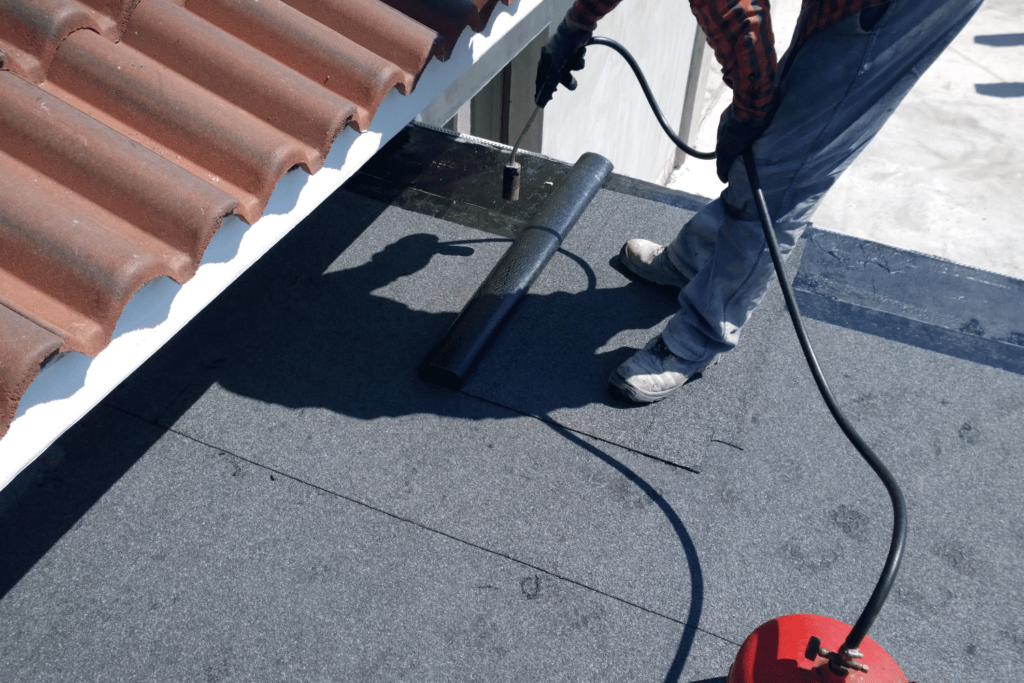
    Another major benefit of hiring nearby professionals is accessibility. A roofer located within your neighborhood can respond faster in emergencies, offer follow-up services with ease, and provide references from other clients in the area. This proximity builds trust, as you can often see their work firsthand by simply walking or driving through your community.

    Key Services Offered by Roofers in Your Neighborhood

    Local roofers typically provide a wide range of services tailored to both residential and commercial properties. These services often include roof inspections, leak detection, shingle replacement, gutter installation, skylight repair, and complete roof replacements. Because they work within your community, these contractors also tend to specialize in the most common roofing systems used in your area.

    Additionally, many neighborhood roofers offer preventive maintenance services. Regular roof cleaning, inspections, and minor repairs can extend the lifespan of a roof and save property owners thousands of dollars in long-term costs. Having these services available nearby means you can address problems before they escalate into major damage.

    How Technology is Transforming Local Roofing Services

    www.eagleview.com

    Technology has changed the way roofers in your neighborhood assess and complete projects. Drones are now commonly used for roof inspections, allowing roofers to capture high-resolution images of hard-to-reach areas without climbing onto the roof. This not only improves safety but also ensures that no damage goes unnoticed.

    Software platforms are also playing a key role in quoting and project management. Many local roofers now use 3D modeling tools to show homeowners how different roofing materials will look once installed. Digital estimating tools help generate accurate quotes quickly, allowing customers to compare pricing with ease. These innovations have made local roofing services more transparent and customer-friendly.

    Real-World Examples of Roofing Services in Action

    Residential Asphalt Shingle Roof Repair

    lutgensco.com

    One of the most common services offered by roofers in your neighborhood is asphalt shingle repair. Shingles are affordable and durable, but they can become damaged by high winds or hail. A detailed roofing service example would include replacing missing or cracked shingles, checking the underlayment for water damage, and resealing the roof. Local roofers often have shingles that match the style and color commonly used in the neighborhood, ensuring seamless repairs.

    Commercial Flat Roof Inspection

    altaroofinginc.com

    For businesses, roofers in your neighborhood may provide flat roof inspections using infrared scanning. This technology detects trapped moisture under the membrane, which could compromise the integrity of the roof. A real-world example would be a local roofer identifying water intrusion in a small warehouse and recommending preventive repairs before the damage spreads. This kind of service shows how local knowledge combined with technology can save businesses significant costs.

    Emergency Storm Damage Repair

    mars-roofing.com

    When severe weather strikes, having roofers in your neighborhood is critical. After a storm, many contractors provide emergency tarping services to prevent further damage while a permanent repair is scheduled. A real example could involve a roofer responding within hours to a residential home that suffered tree damage, preventing leaks from spreading into the home’s interior. Quick, local responses like this highlight the importance of hiring nearby professionals.

    Gutter and Skylight Maintenance

    Many homeowners don’t realize that neighborhood roofers also offer related services like gutter cleaning and skylight repair. Over time, clogged gutters can cause water to back up and damage the roof structure. Skylights can also develop leaks if not properly maintained. By having a roofer nearby, these smaller but essential services are easier to schedule and maintain regularly, preventing costly structural issues.

    Benefits of Hiring Roofers in Your Neighborhood

    Working with local roofers offers several practical advantages. One of the most important is accountability. Because they live and work in the same area, neighborhood roofers depend on their reputation for future business. This creates a strong incentive to provide excellent service.

    Another benefit is familiarity with local materials and conditions. For example, roofers in coastal areas may specialize in storm-resistant shingles, while roofers in colder climates often recommend materials designed to withstand heavy snow loads. Hiring locally ensures you get advice tailored to your specific environment.

    Use Cases for Roofers in My Neighborhood

    Solving Leaks Quickly

    Leaks can escalate into major structural problems if not repaired promptly. Roofers in your neighborhood can respond faster than out-of-town contractors, reducing the risk of long-term water damage.

    Improving Property Value

    A new or well-maintained roof increases curb appeal and resale value. Local roofers know what styles and materials appeal most to buyers in your area, making their recommendations more market-appropriate.

    Handling Routine Maintenance

    Many homeowners delay roof maintenance simply because it feels inconvenient. When roofers are nearby, scheduling regular inspections and cleanings becomes more manageable, extending the lifespan of your roof.

    Frequently Asked Questions

    1. How do I know if roofers in my neighborhood are reliable?
    Look for contractors with strong community reputations, visible local projects, and positive reviews. Speaking with neighbors who have used their services is also a reliable way to verify quality.

    2. Do local roofers charge less than out-of-town contractors?
    Not always. While local roofers may have lower travel costs, pricing depends on the scope of work, materials, and labor. However, neighborhood roofers often provide better value through accessibility and faster service.

    3. What should I expect in a roofing estimate from local contractors?
    A detailed estimate should include material costs, labor, timelines, and warranty information. It should also account for regional building codes and weather challenges unique to your neighborhood.

  • Commercial Roofing Quote: Complete Guide to Accurate Estimates for Businesses

    Commercial Roofing Quote: Complete Guide to Accurate Estimates for Businesses

    A commercial roofing quote is more than just a price estimate; it is a comprehensive breakdown of the costs, scope, and timeframe associated with repairing, replacing, or installing a commercial roof. Unlike residential roofing, commercial projects are larger in scale, more complex, and involve different materials, safety requirements, and engineering challenges.

    Business owners often underestimate the importance of requesting multiple detailed quotes. A properly structured commercial roofing quote provides clarity, helps avoid hidden costs, and ensures that the project meets both budget expectations and industry standards. In fact, securing a reliable estimate is often the first step toward ensuring the longevity and energy efficiency of a commercial building.

    Key Elements That Influence a Commercial Roofing Quote

    Commercial roofing quotes vary widely depending on several factors. These include the size of the roof, the slope, accessibility, materials used, and any existing damage. For example, flat commercial roofs often require specialized materials like TPO or EPDM membranes, which differ in price compared to pitched roof systems that may use metal or shingles.

    Weather conditions and regional labor costs also play a major role in shaping estimates. A project located in an urban area may come with additional costs for permits, waste removal, and logistical challenges. On the other hand, a rural location might reduce costs but increase travel time for contractors. Understanding these variables helps business owners make more informed decisions.

    Benefits of Using Technology in Commercial Roofing Quotes

    www.eagleview.com

    Modern technology has transformed the way commercial roofing quotes are prepared. Advanced tools such as drones, infrared scanners, and 3D modeling software allow contractors to deliver highly accurate estimates. These tools not only speed up inspections but also identify hidden issues such as trapped moisture or structural weaknesses that may otherwise be overlooked.

    For property owners, this means fewer surprises once the project begins. A quote based on precise data reduces the likelihood of cost overruns and provides peace of mind. Furthermore, digital quoting platforms often allow business owners to compare multiple estimates side by side, improving transparency and trust between contractors and clients.

    Real-World Examples of Commercial Roofing Quotes in Action

    TPO Roofing System Quote Example

    i0.wp.com

    Thermoplastic Polyolefin (TPO) is one of the most common materials used for flat commercial roofs. A quote for this system typically includes the cost of the membrane, insulation boards, adhesives, and labor for installation. What makes TPO appealing is its energy efficiency and reflective properties, which reduce utility bills over time. A detailed quote will outline these savings alongside the upfront costs, helping businesses justify the investment.

    Metal Roofing Quote Example

    roofingmagazine.com

    A commercial roofing quote for a standing seam metal system often emphasizes durability and low maintenance. While the initial cost in the estimate may be higher than other materials, the quote should highlight its long-term benefits, such as a lifespan of 40–70 years and resistance to fire, wind, and extreme temperatures. This makes metal roofing an excellent choice for warehouses, factories, and office complexes where long-term performance is a priority.

    EPDM Rubber Roofing Quote Example

    dlczb9lfz9r73.cloudfront.net

    Ethylene Propylene Diene Monomer (EPDM) roofing is another popular choice for commercial buildings. A roofing quote for this system usually highlights its cost-effectiveness and flexibility. EPDM is known for being highly resistant to UV rays and extreme weather conditions, making it suitable for large industrial facilities. A thorough quote should also mention the reduced maintenance costs compared to other materials, which is a major advantage for businesses managing multiple properties.

    Modified Bitumen Roofing Quote Example

    rapidroofing.com

    Modified bitumen roofing quotes often detail multi-layer installation processes. These quotes highlight the system’s strength, durability, and resistance to foot traffic, which is essential for buildings that require frequent rooftop access. While installation is labor-intensive, resulting in a higher quote, the benefits of superior waterproofing and structural protection often outweigh the upfront costs.

    Advantages of Requesting Multiple Commercial Roofing Quotes

    One of the greatest benefits of seeking multiple commercial roofing quotes is the ability to compare both price and scope of services. While one contractor may provide a lower quote, another may include additional services such as extended warranties or preventive maintenance.

    This comparison allows business owners to choose the contractor that offers the best value rather than simply the lowest cost. In addition, reviewing several estimates helps property managers detect potential red flags, such as contractors who leave out critical details or significantly underbid competitors.

    Use Cases for Commercial Roofing Quotes

    Preventing Budget Overruns

    Business owners often face unexpected costs when roofing projects are poorly estimated. A detailed commercial roofing quote ensures that every expense is accounted for upfront, from labor and materials to waste disposal and permits. This reduces the risk of financial surprises mid-project.

    Ensuring Compliance with Building Codes

    Commercial roofing quotes often include information about compliance with local building codes and safety standards. This is crucial for avoiding costly fines, delays, or forced renovations in the future. A proper quote demonstrates that the contractor is familiar with regulations and is prepared to meet them.

    Supporting Insurance Claims

    In cases of storm damage or other emergencies, a commercial roofing quote can serve as supporting documentation for insurance claims. Insurers require accurate estimates to process reimbursements, and a detailed quote can speed up the claims process significantly.

    Frequently Asked Questions

    1. Why is a commercial roofing quote important before starting a project?
    A commercial roofing quote ensures that all costs, materials, and timelines are clearly outlined. It protects business owners from unexpected expenses and provides a roadmap for the project’s completion.

    2. How long does it take to receive a commercial roofing quote?
    Most contractors can provide an initial quote within a few days, depending on the complexity of the roof and the tools used for inspection. Quotes that rely on drone surveys and advanced imaging may take slightly longer but are more accurate.

    3. What should I look for in a commercial roofing quote?
    A reliable quote should include detailed material costs, labor charges, warranty information, and a project timeline. Transparency is key, and any vague or missing details should raise concerns.

  • Best Roofing Lead Service: Complete Guide to Finding High-Quality Roofing Leads

    Best Roofing Lead Service: Complete Guide to Finding High-Quality Roofing Leads

    In today’s competitive market, roofing companies need a steady stream of new clients to stay profitable and grow. One of the most effective ways to achieve this is through roofing lead services. These services connect roofing contractors with homeowners or businesses actively looking for roof repair, replacement, or maintenance.
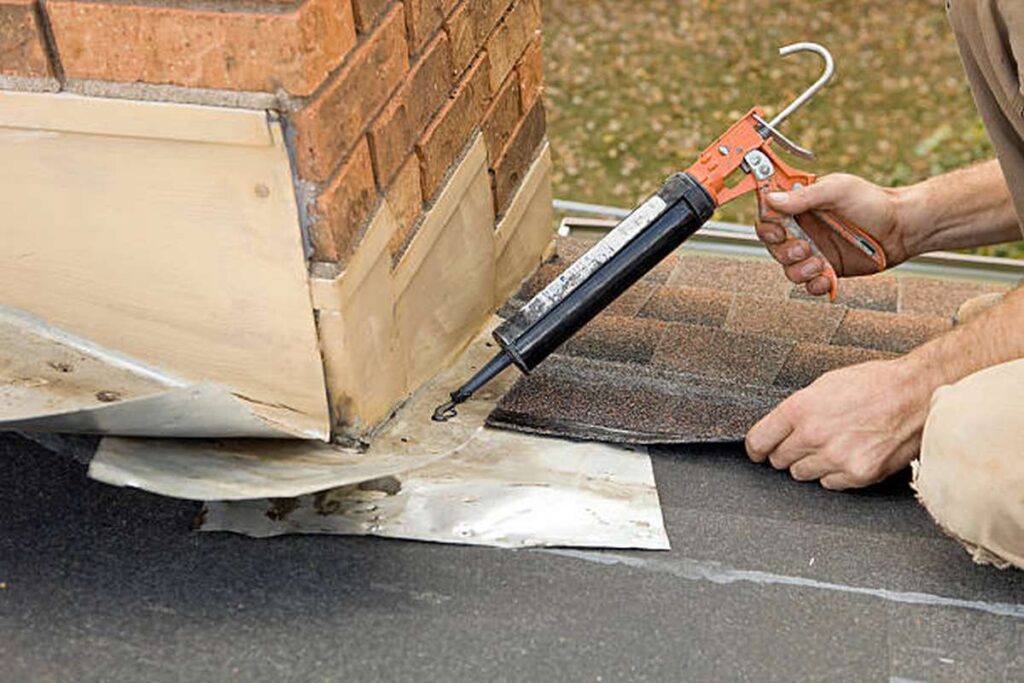
    Finding the best roofing lead service is critical for maximizing return on investment. With so many options available, from online platforms to specialized agencies, roofing businesses must understand how to evaluate quality, reliability, and performance. The right service not only brings in more leads but ensures those leads are qualified and more likely to convert into paying customers.

    Why Roofing Companies Need Reliable Lead Services

    webrunnermedia.com

    Roofing is a highly competitive industry. Homeowners facing urgent roofing issues often search online for help, and the companies that appear first or respond quickly are the ones who get the job. Without a consistent pipeline of leads, roofing companies risk losing out to competitors who invest in advanced lead-generation strategies.

    A reliable roofing lead service helps companies stay ahead by delivering pre-qualified homeowners actively seeking roofing services. This eliminates wasted time chasing low-quality prospects and allows roofers to focus on what they do best: providing excellent service.

    Key Features That Define the Best Roofing Lead Service

    The best roofing lead services share several important characteristics. First, they provide highly targeted leads to homeowners who have expressed a genuine need for roof repair, replacement, or inspection. Secondly, they use advanced technology such as search engine optimization, pay-per-click advertising, and AI-driven targeting to find customers at the right time.

    Another key feature is exclusivity. Some lead services sell the same lead to multiple contractors, which reduces conversion rates. Premium services often provide exclusive or limited-share leads, giving roofing companies a better chance of closing deals. Finally, the best services offer analytics and reporting, helping businesses measure performance and optimize marketing spend.

    How Technology Shapes the Best Roofing Lead Services

    www.roofersguild.com

    Modern lead services leverage cutting-edge technology to generate and qualify leads. Artificial intelligence and machine learning algorithms analyze consumer behavior, ensuring ads and outreach campaigns reach homeowners most likely to need roofing services.

    Additionally, automation tools streamline the process by instantly delivering leads to contractors via email, SMS, or CRM integrations. This speed is essential, as studies show the first roofing company to respond to a homeowner’s inquiry often wins the job. Technology also enhances transparency—contractors can track which leads came from which campaigns, improving accountability and results.

    Real-World Examples of Roofing Lead Services

    Angi (formerly Angie’s List)

    media.angi.com

    Angi is a popular lead service platform that connects contractors with homeowners in need of various services, including roofing. Homeowners submit their project details, and roofing companies receive leads that match their expertise and location.

    The relevance of Angi lies in its reputation and visibility. Many homeowners trust Angi to connect them with vetted contractors, which increases the likelihood that roofing companies receive leads from customers ready to hire. For roofers, this means access to a large audience of potential clients with established credibility.

    HomeAdvisor

    mms.businesswire.com

    HomeAdvisor is one of the largest platforms for connecting homeowners with contractors. Roofing businesses can sign up and receive targeted leads based on services offered and geographic coverage.

    What makes HomeAdvisor relevant is its scale. With millions of homeowners using the platform each year, roofers gain access to a steady flow of potential clients. The platform also offers review systems that help contractors build credibility while gaining new business.

    Thumbtack

    cdn.sanity.io

    Thumbtack is another real-world example of a lead service, offering a unique approach. Instead of simply sending out leads, Thumbtack allows contractors to bid on jobs and connect directly with homeowners.

    The relevance of Thumbtack is its flexibility. Roofers can choose which leads to pursue based on budget and availability, ensuring they only spend money on opportunities they consider worthwhile. This control makes it attractive to smaller roofing companies or those looking for highly targeted projects.

    Modernize

    Modernize focuses specifically on home improvement leads, including roofing. It delivers high-intent leads by targeting homeowners who are actively researching projects online.

    The strength of Modernize lies in its use of digital marketing to capture quality leads at the right stage of the decision-making process. For roofing companies, this means fewer wasted calls and a higher chance of converting prospects into paying clients.

    Benefits of Choosing the Best Roofing Lead Service

    The primary benefit is increased efficiency. Roofing contractors no longer have to spend countless hours canvassing neighborhoods or cold-calling. Instead, they can rely on technology-driven platforms to deliver prospects directly.

    Another major advantage is improved conversion rates. Since the best services pre-qualify leads, contractors can spend their time on homeowners who are genuinely interested in roofing services. Additionally, many services allow roofers to expand into new areas, supporting business growth without significant marketing overhead.

    Practical Use Cases of Roofing Lead Services

    • Emergency Roof Repair Leads: A lead service delivers contact information for homeowners facing storm damage, allowing roofers to respond quickly.

    • Seasonal Roof Replacement Projects: During spring and fall, many homeowners plan roof replacements. Lead services help roofing companies capture this seasonal demand.

    • Commercial Roofing Opportunities: Some services also generate leads for businesses requiring large-scale repairs or maintenance, providing additional revenue streams.

    • New Market Expansion: Roofing companies looking to grow into nearby towns or cities can use lead services to test demand without heavy upfront marketing costs.

    These use cases demonstrate how roofing lead services can address multiple business challenges, from filling immediate schedules to supporting long-term growth.

    Frequently Asked Questions

    1. How do I know which roofing lead service is the best for my business?
    The best roofing lead service depends on your business goals, budget, and target market. Consider platforms that provide exclusive, high-quality leads and offer reporting tools to measure performance.

    2. Are all roofing leads guaranteed to convert?
    No, not all leads will convert into paying customers. However, the best services provide pre-qualified leads with higher intent, increasing the likelihood of successful conversions.

    3. Can roofing lead services help small businesses?
    Yes. Smaller roofing companies often benefit the most, as lead services provide affordable access to homeowners they may not reach through traditional marketing methods.

  • Local Handyman Roof Repair: Complete Guide to Services, Benefits, and Real-World Use Cases

    Local Handyman Roof Repair: Complete Guide to Services, Benefits, and Real-World Use Cases

    Roof repair is one of the most critical aspects of maintaining a home. Even minor damage, such as missing shingles, leaks, or worn flashing, can quickly escalate into costly structural problems if ignored. Many homeowners turn to local handyman roof repair services for timely, cost-effective solutions. Unlike large roofing contractors, a handyman often provides personalized service, tackling small to medium repairs efficiently and at a lower price point.
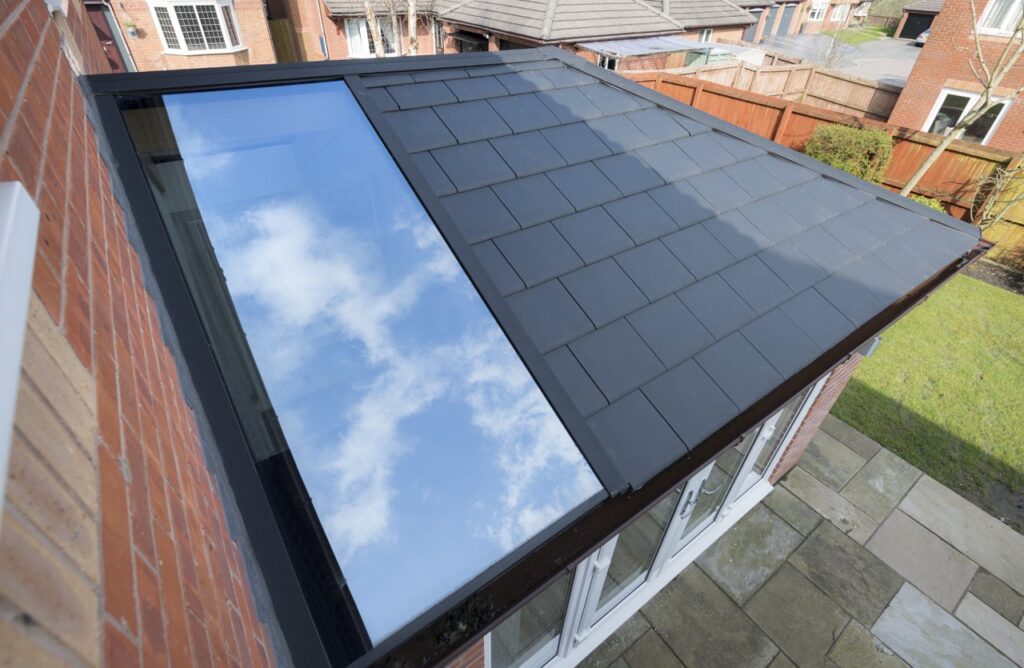
    A local handyman’s flexibility and accessibility make them a valuable option for homeowners who need immediate repairs or preventative maintenance. From patching leaks to replacing damaged tiles, handyman roof repair ensures roofs remain safe, weather-resistant, and energy-efficient without unnecessary delays.

    Why Local Handyman Roof Repair Matters

    rockstarroofing.co.nz

    Roofs are constantly exposed to weather conditions, making them vulnerable to wear and tear. Small issues such as a cracked tile or loose gutter may seem insignificant, but can lead to leaks, mold growth, and compromised insulation over time. By hiring a local handyman, homeowners address these issues before they escalate, preventing long-term damage.

    Another reason this service matters is accessibility. Local handymen are often available on shorter notice than larger roofing companies. They can respond quickly to emergencies like storm damage or sudden leaks, making them an ideal choice for urgent situations. This speed, combined with practical experience, helps homeowners maintain their property’s safety and value.

    Key Services Covered in Local Handyman Roof Repair

    Local handyman roof repair encompasses a variety of tasks designed to prolong the lifespan of roofing systems. These tasks range from quick fixes to preventative maintenance that ensures roofs remain structurally sound.

    Handymen typically handle shingle replacement, minor flashing repairs, sealing leaks, gutter cleaning, and reattaching loose components. While they may not specialize in full roof replacements, their skill set is versatile enough to address common problems faced by most homeowners. By focusing on smaller jobs, they provide affordable and immediate relief, bridging the gap between basic maintenance and larger roofing projects.

    How Technology Enhances Handyman Roof Repairs

    www.familyhandyman.com

    Technology is reshaping how handyman services are delivered. Mobile apps and digital tools allow handymen to capture high-resolution photos of roof damage, which they can then share with homeowners for clarity. This builds trust and ensures transparency about what repairs are needed.

    Drones are another technological advancement increasingly used, even by smaller-scale professionals. A handyman equipped with a drone can perform quick roof inspections without climbing onto steep or unsafe surfaces. This not only improves accuracy but also enhances safety. In addition, moisture detection tools and thermal imaging devices help identify hidden leaks or insulation gaps, enabling more precise repairs.

    Real-World Examples of Local Handyman Roof Repair

    Shingle Replacement After a Storm

    www.familyhandyman.com

    After a strong storm, it is common for shingles to be blown off or damaged. A local handyman can step in quickly to replace the missing shingles, preventing leaks from developing. The quote typically includes material sourcing, removal of damaged pieces, and proper sealing.

    For example, a homeowner with a traditional asphalt shingle roof may contact a handyman after noticing water stains in the attic. The handyman inspects the roof, identifies missing shingles, and completes the repair within hours, avoiding further water intrusion.

    Leak Repair Around Roof Flashing

    roof-repair.net.au

    Flashing is the thin material installed around chimneys, vents, and roof valleys to prevent water seepage. Over time, flashing may crack or loosen. A local handyman can reseal or replace flashing to restore waterproofing.

    An example would be a homeowner experiencing a small but persistent leak near their fireplace chimney. A handyman’s quote includes resealing the flashing with durable waterproof materials, solving the issue without the need for a full roofing crew.

    Gutter Cleaning and Repair

    www.familyhandyman.com

    Clogged gutters cause water to overflow onto the roof, leading to water damage, mold, and weakened foundations. Many local handymen include gutter cleaning and reattachment in their roofing repair services.

    Consider a property owner who neglects gutter cleaning through autumn. After a heavy rainfall, water begins pooling near the roof edge. A handyman removes the debris, reseals loose joints, and ensures the drainage system is functioning properly. This preventative repair protects both the roof and the home’s foundation.

    Roof Vent Repair and Replacement

    static.homeguide.com

    Roof ventilation systems prevent moisture buildup and regulate temperature inside the attic. Damaged or blocked vents can lead to higher energy bills and mold growth. Local handymen are often skilled in replacing faulty vents or adding additional ventilation as needed.

    For instance, a homeowner noticing condensation in the attic might hire a handyman for a roof vent replacement. The handyman’s service ensures improved airflow, preventing long-term structural damage and enhancing the roof’s lifespan.

    Benefits of Choosing Local Handyman Roof Repair

    One of the most notable benefits is cost efficiency. Handymen generally charge lower rates than large roofing contractors, making them a smart option for small-scale repairs. Homeowners save money while still receiving effective solutions for immediate problems.

    Another advantage is flexibility. Unlike specialized contractors who may be booked weeks in advance, local handymen are often available sooner and can adapt to short-notice requests. This makes them especially valuable for emergency repairs after storms or sudden leaks. Additionally, their knowledge of the local climate allows them to recommend repair methods that suit the environment.

    Practical Use Cases for Local Handyman Roof Repair

    • Emergency Leak Repairs: Homeowners experiencing leaks during heavy rain benefit from a handyman’s ability to respond quickly.

    • Seasonal Maintenance: Before winter or storm seasons, handymen handle preventative repairs like sealing gaps and clearing gutters.

    • Property Management: Landlords often hire handymen for ongoing roof upkeep, ensuring rental properties remain safe and compliant.

    • Budget-Friendly Fixes: Families who cannot afford a full roof replacement can still maintain roof integrity through handyman services.

    These use cases illustrate how handyman roof repair solves immediate problems while preventing larger financial burdens.

    Frequently Asked Questions

    1. Can a handyman repair all types of roofing problems?
    A local handyman is best suited for minor to medium roofing issues such as leaks, shingle replacement, or gutter maintenance. Major repairs or full roof replacements are better handled by licensed roofing contractors.

    2. How much does a handyman roof repair typically cost?
    Costs vary depending on the type of repair, materials required, and time involved. Handyman services are generally more affordable than full roofing contractors, making them suitable for small-scale jobs.

    3. Is it safe to hire a handyman for roof repairs?
    Yes, provided the handyman is experienced and follows safety measures. Homeowners should ask about insurance, safety equipment, and previous experience before hiring.

  • Conservatory Roof Quote: Complete Guide to Costs, Benefits, and Real-World Examples

    Conservatory Roof Quote: Complete Guide to Costs, Benefits, and Real-World Examples

    A conservatory adds light, charm, and value to a property, but over time, its roof can become inefficient or worn out. This often leads homeowners to request a conservatory roof quote. A quote is more than just a price; it’s a detailed breakdown of materials, labor, design, and technology involved in upgrading or replacing a conservatory roof.
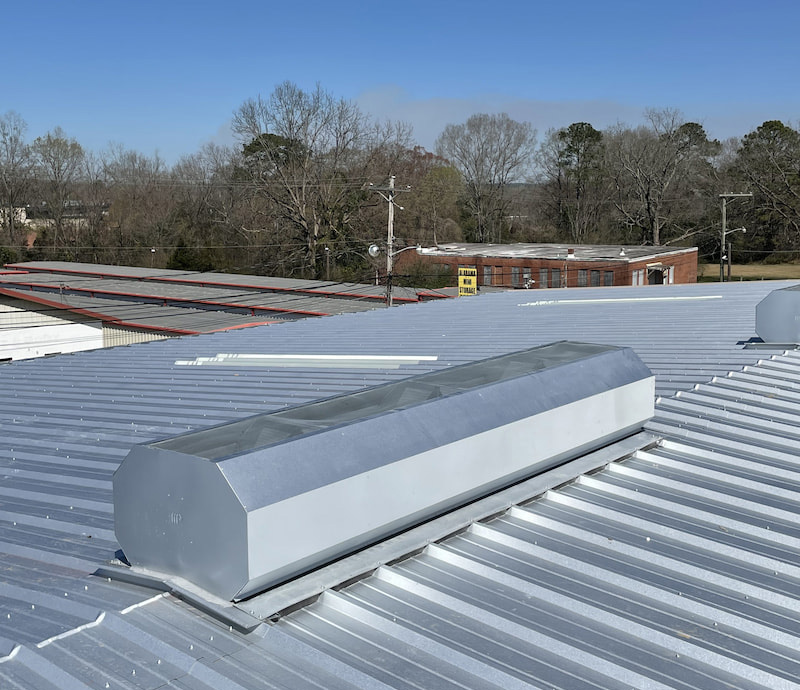
    Understanding how quotes are calculated helps property owners make informed decisions, avoid hidden costs, and choose the right solution for their needs. Whether you are considering a tiled replacement, a lightweight glass upgrade, or a solid insulated system, requesting a detailed quote is the first step toward transforming a conservatory into a comfortable year-round living space.

    Why Conservatory Roof Quotes Matter

    conservatory roof quote

    A conservatory roof quote provides transparency about what a project will entail. It outlines everything from the removal of the existing roof to material choices, insulation requirements, and finishing details. Without an accurate quote, homeowners risk overspending or selecting materials unsuitable for their property’s needs.

    Another reason quotes matter is compliance. Reputable companies include details on building regulations, structural load assessments, and ventilation. This ensures the new roof is safe, long-lasting, and energy-efficient. Quotes also provide clarity on warranties, giving peace of mind that the investment is protected.

    Factors That Influence a Conservatory Roof Quote

    Several elements shape the final figure of a conservatory roof quote. The size and style of the conservatory, whether Victorian, Edwardian, lean-to, or bespoke, play a major role in pricing. Larger or more complex designs require more labor and materials.

    Material choice is another critical factor. Polycarbonate roofs are cheaper but less efficient, while glass, solid tiled, and hybrid roofs are more expensive but offer long-term benefits like insulation and durability. Extras such as skylights, integrated lighting, or enhanced ventilation systems can also raise the overall cost.

    How Technology Improves the Quoting Process

    images.ctfassets.net

    Technology is revolutionizing the way conservatory roof quotes are prepared. Advanced design software allows contractors to create 3D visualizations, helping homeowners see how a new roof will look before installation. This minimizes uncertainty and improves decision-making.

    Additionally, drones and laser measurement tools provide accurate dimensions without manual guesswork. Thermal imaging technology can detect heat loss in the current roof, enabling roofers to recommend specific upgrades. These innovations not only enhance accuracy but also speed up the quoting process, saving time for both homeowners and contractors.

    Real-World Examples of Conservatory Roof Replacement Quotes

    Tiled Conservatory Roof

    www.eygwindows.co.uk

    A tiled conservatory roof replacement is one of the most popular requests. The quote typically includes removal of old panels, reinforcement of the structure, installation of lightweight tiles, and internal plastering. Homeowners often choose this option for improved insulation and to give their conservatory the look of a natural extension.

    The tiled option is more expensive than polycarbonate but provides year-round comfort. A homeowner in a colder climate, for example, may see quotes emphasizing high thermal performance to keep energy bills down while extending the usable months of the conservatory.

    Glass Conservatory Roof

    www.eygwindows.co.uk

    Another common example is a glass conservatory roof replacement. Quotes for this type highlight double or even triple-glazed panels with coatings to block UV rays while retaining heat. They often include details about self-cleaning glass, which reduces maintenance.

    This type of quote appeals to homeowners who want maximum natural light. For instance, a property owner with a south-facing conservatory might prioritize solar-control glass, and the quote would reflect the cost difference compared to standard glazing.

    Polycarbonate Conservatory Roof

    comparecompanies.co.uk

    Polycarbonate roofs remain the budget-friendly choice, and quotes for them tend to be the lowest. They include the installation of multiwall sheets that are lightweight and easy to fit. While less energy-efficient, polycarbonate still provides a durable option for homeowners on a tighter budget.

    An example would be a quote for a rental property where the landlord wants a cost-effective solution. The quote outlines a simple installation, with less emphasis on insulation features, but still ensuring weather resistance and durability.

    Hybrid Conservatory Roof

    www.prefixsystems.co.uk

    Hybrid roofs combine the best of solid and glass systems, and quotes for these projects are highly detailed. They often include reinforced frames, tiled sections for insulation, and glazed panels for natural light.

    This option suits homeowners who want both energy efficiency and brightness. A quote might show higher upfront costs but emphasize long-term energy savings, making it attractive to those investing in their forever home.

    Benefits of Requesting a Detailed Conservatory Roof Quote

    The primary benefit is financial clarity. A well-prepared quote outlines every stage of the process, preventing unexpected costs. Homeowners know exactly what they are paying for, from labor to finishing details.

    Another benefit is customization. Quotes often include multiple options, such as material upgrades or additional features like integrated spotlights. This allows homeowners to tailor the project to their budget and lifestyle needs. In the long run, a detailed quote ensures better return on investment and helps avoid costly mistakes.

    Practical Use Cases for Conservatory Roof Quotes

    lh3.googleusercontent.com
    • Energy Savings: Homeowners experiencing high heating bills can request quotes that emphasize insulated tiled or hybrid systems.

    • Property Value Boost: A family planning to sell their property may seek a quote to enhance the conservatory’s appeal to buyers.

    • Year-Round Comfort: Those using their conservatory as an office or playroom benefit from quotes for thermally efficient roofs.

    • Aesthetic Transformation: For outdated conservatories, quotes guide modernizing with sleek glass or tiled options.

    These use cases show how conservatory roof quotes are not just about cost—they are about finding the right solution for comfort, energy efficiency, and lifestyle.

    Frequently Asked Questions

    1. How long does it take to get a conservatory roof quote?
    Most local contractors can provide a quote within a few days, depending on the complexity of the conservatory and whether an in-person survey is required.

    2. Are conservatory roof quotes free?
    In most cases, yes. Reputable companies provide free, no-obligation quotes to help homeowners make informed decisions.

    3. What details should a conservatory roof quote include?
    A proper quote should include material specifications, labor costs, timelines, structural reinforcement needs, insulation options, and warranty information.

  • Local Roof Replacement: Complete Guide, Benefits, Technology, and Real-World Examples

    Local Roof Replacement: Complete Guide, Benefits, Technology, and Real-World Examples

    Local roof replacement is an essential home improvement service for property owners whose roofs are reaching the end of their lifespan or have suffered damage beyond repair. Unlike minor repairs, replacement involves removing old roofing materials and installing a completely new system to restore structural integrity, protect against weather, and improve curb appeal.

    When handled by local roofing professionals, replacements come with added benefits. Local companies understand regional weather conditions, building codes, and material requirements, making them more reliable partners compared to non-local contractors. A roof replacement is both a long-term investment and a safeguard for the entire property.

    Signs You Need a Roof Replacement

    fivepointsroofing.com

    Roofs naturally deteriorate over time. Common signs of needing replacement include curling or missing shingles, frequent leaks, visible sagging, and water stains on ceilings or walls. If a roof is more than 20 years old, it is often more cost-effective to replace it than to continually repair it.

    Another major sign is granule loss on asphalt shingles. When protective granules wear away, shingles lose their ability to repel UV rays and moisture. In commercial and residential settings alike, structural damage such as rotting wood decking beneath the roofing system can also signal that replacement is unavoidable.

    Why Choose Local Roof Replacement Services

    www.pscpdx.com

    Working with local roofing companies provides key advantages. Local contractors are familiar with municipal codes, permitting processes, and insurance requirements, which streamlines the replacement process. They also know which roofing materials best withstand local climates, whether that means shingles resistant to high winds or roofing membranes designed for heavy rainfall.

    Another major benefit is accessibility. Local roofers are easier to reach if warranty service or post-replacement issues arise. They often build long-term relationships with communities, which builds trust and accountability. Choosing local ensures that replacements are not only technically sound but also tailored to the region’s specific needs.

    How Technology Enhances Local Roof Replacement

    sawinpro.com

    Technology is playing a vital role in modern roof replacements. Drones allow roofers to capture aerial footage and assess roof conditions with minimal safety risks. These inspections provide accurate measurements and high-resolution imagery that improve repair planning.

    Thermal imaging devices further enhance accuracy by detecting moisture trapped beneath old roofing layers, ensuring that hidden damage is addressed before replacement. Additionally, software-driven platforms allow roofers to provide precise cost estimates and track projects from start to finish. These technologies make replacements faster, safer, and more cost-efficient for homeowners.

    Real-World Examples of Local Roof Replacement

    Asphalt Shingle Replacement

    www.shutterstock.com

    Asphalt shingles remain the most common roofing material for residential properties. A local roof replacement project often involves tearing off old shingles, inspecting the decking, and installing new, weather-resistant shingles. Local contractors can recommend shingles that match both aesthetic preferences and regional weather patterns.

    This replacement type is cost-effective and versatile. For example, homeowners in storm-prone areas often benefit from impact-resistant shingles designed to withstand hail. The project restores curb appeal while significantly improving protection against the elements.

    Metal Roof Upgrade

    stellarcommercialroofing.com

    Many property owners are upgrading to metal roofing systems. Local replacements involving metal panels provide decades of durability and energy efficiency. These systems are particularly useful in regions with high wind or snow loads, as metal resists corrosion and sheds snow easily.

    Metal replacements may cost more initially but reduce long-term maintenance. In real-world applications, commercial facilities like warehouses benefit from the strength of metal systems, while homeowners enjoy the modern aesthetic and fire-resistant properties.

    Flat Roof Replacement for Commercial Buildings

    Flat or low-slope roofs are common in commercial buildings. Local replacements often involve tearing out worn membranes like EPDM or TPO and installing new ones with heat-welded seams for waterproofing. Contractors may also add reflective coatings to improve energy efficiency.

    Flat roof replacements are critical for businesses because they protect valuable assets, equipment, and inventory. By working with local roofers, building owners ensure compliance with commercial codes and receive timely service that minimizes operational disruptions.

    Tile Roof Replacement

    Tile roofs are popular in certain regions, particularly areas with hot climates. A local roof replacement project involving clay or concrete tiles provides both durability and timeless aesthetics. While heavier than shingles, tiles can last decades when properly installed.

    Local expertise is especially important for tile replacements. Roofers must understand structural load requirements and regional code compliance to ensure safe installations. Tile replacements also add significant resale value to properties in markets where they are highly sought after.

    Benefits of Local Roof Replacement

    One of the biggest benefits of replacing a roof locally is improved durability and peace of mind. A new roof protects against leaks, mold growth, and structural deterioration. Property owners can also benefit from enhanced insulation, which reduces energy bills by keeping indoor spaces more comfortable year-round.

    Another benefit is increased property value. A newly replaced roof is one of the most visible features of a home or building, making it a major selling point. In addition, insurance companies may provide more favorable terms after a replacement, as the risk of damage is significantly reduced.

    Practical Use Cases for Local Roof Replacement

    firstamericanroofing.com

    Local roof replacement proves useful across multiple scenarios:

    • Residential Properties: Homeowners with aging or storm-damaged roofs gain long-term protection and improved home aesthetics.

    • Commercial Buildings: Businesses avoid costly downtime by replacing failing flat or metal roofing systems.

    • Historic Homes: Local contractors familiar with regional architecture help preserve traditional looks with modern materials.

    • Weather-Prone Regions: In storm-heavy or snowy climates, replacements with durable materials safeguard property investments.

    These examples highlight how replacement is not just maintenance; it is an essential investment in property safety and long-term value.

    Frequently Asked Questions

    1. How long does a local roof replacement usually take?
    The duration depends on roof size, material, and weather. Most residential replacements take 1–3 days, while larger commercial projects may take several weeks.

    2. Is roof replacement better than repeated repairs?
    Yes. If a roof is severely aged or damaged, replacement is more cost-effective than continuous repairs, which only delay the inevitable and increase expenses over time.

    3. Do local roof replacements come with warranties?
    Most local roofing companies provide both manufacturer and workmanship warranties. This ensures that homeowners receive protection for materials and installation, giving them peace of mind after the project.