Blog

  • Custom Windows and Exterior Design: Complete Guide to Enhancing Style, Efficiency, and Curb Appeal

    Custom Windows and Exterior Design: Complete Guide to Enhancing Style, Efficiency, and Curb Appeal

    Custom windows and exterior design are central elements in modern architecture and home improvement projects. They provide both aesthetic and functional value, shaping the first impression of a property while also impacting energy efficiency, natural lighting, and overall comfort. Unlike standard options, custom solutions allow for complete personalization, ensuring that windows and exterior finishes reflect the unique style of the homeowner or commercial developer.

    The integration of advanced technologies and materials has further expanded the possibilities of exterior design. Today, custom windows and exterior solutions are not just about appearances; they represent a blend of performance, sustainability, and innovation.

    What Are Custom Windows and Exterior Design?

    Custom windows and exterior design refer to tailored architectural solutions where windows, facades, siding, and other exterior elements are designed specifically to meet the needs of a building. These designs can be adapted to accommodate unique dimensions, energy efficiency goals, architectural styles, or specific environmental conditions.

    Unlike mass-produced components, custom windows and exteriors are developed with precision and attention to detail. This approach allows homeowners and developers to achieve a cohesive look while maximizing structural performance.

    Core Features of Custom Windows and Exterior Design

    Personalized Aesthetics
    images.ctfassets.net

    One of the key features of custom windows and exteriors is the ability to personalize designs. Windows can be crafted in unique shapes, sizes, and finishes to complement specific architectural themes, while exterior finishes can include modern cladding, textured surfaces, or natural materials.

    This customization ensures that properties stand out, offering a distinctive character that mass-produced solutions cannot provide.

    Energy Efficiency

    Modern custom windows are often built with advanced glazing systems and insulated frames. When paired with energy-conscious exterior materials, they significantly reduce energy loss, lower utility bills, and improve indoor comfort.

    Energy-efficient design is not only beneficial for homeowners but also plays a critical role in meeting sustainability goals in both residential and commercial projects.

    Integration of Advanced Materials

    Custom windows and exterior designs utilize high-performance materials, including aluminum cladding, triple-glass panels, fiber-cement siding, and natural stone finishes. These materials enhance durability while maintaining an elegant look.

    Advanced materials also provide resistance against weather elements like UV rays, moisture, and extreme temperatures, ensuring long-lasting performance.

    Benefits of Custom Windows and Exterior Design

    Custom windows and exterior design deliver a wide array of practical and aesthetic benefits:

    • Enhanced Curb Appeal: Tailored designs increase the visual impact of a property.
    • Improved Energy Efficiency: Advanced glazing and insulation reduce heating and cooling demands.
    • Long-Term Durability: High-quality materials withstand environmental challenges.
    • Property Value: Custom designs often raise resale and rental value.
    • Better Functionality: Windows can be optimized for ventilation, light control, and views.

    Real-World Examples of Custom Windows and Exterior Design

    Modern Residential Homes
    www.grollohomes.com.au

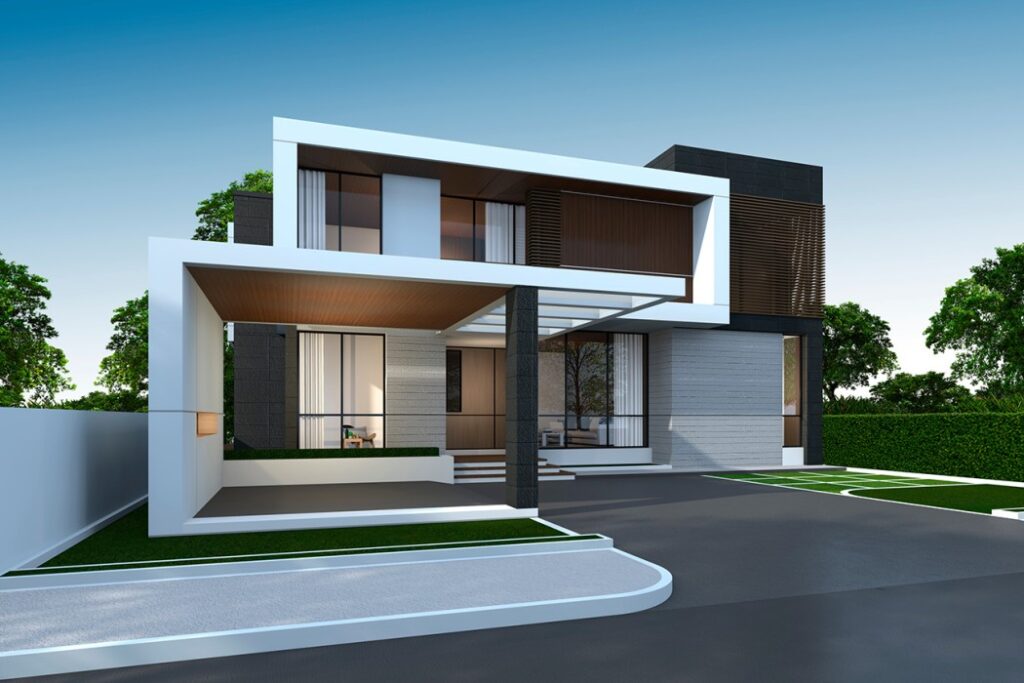
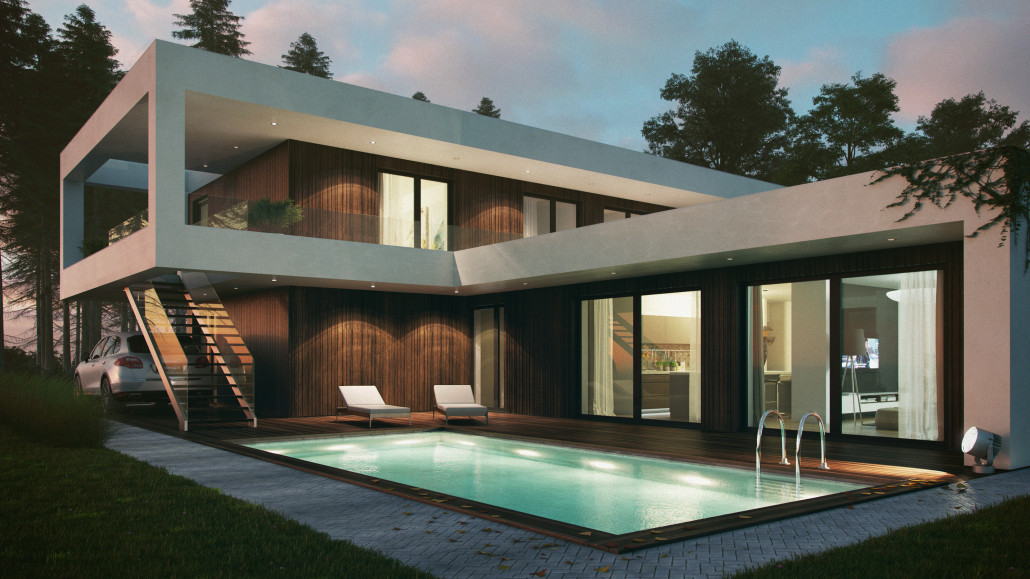
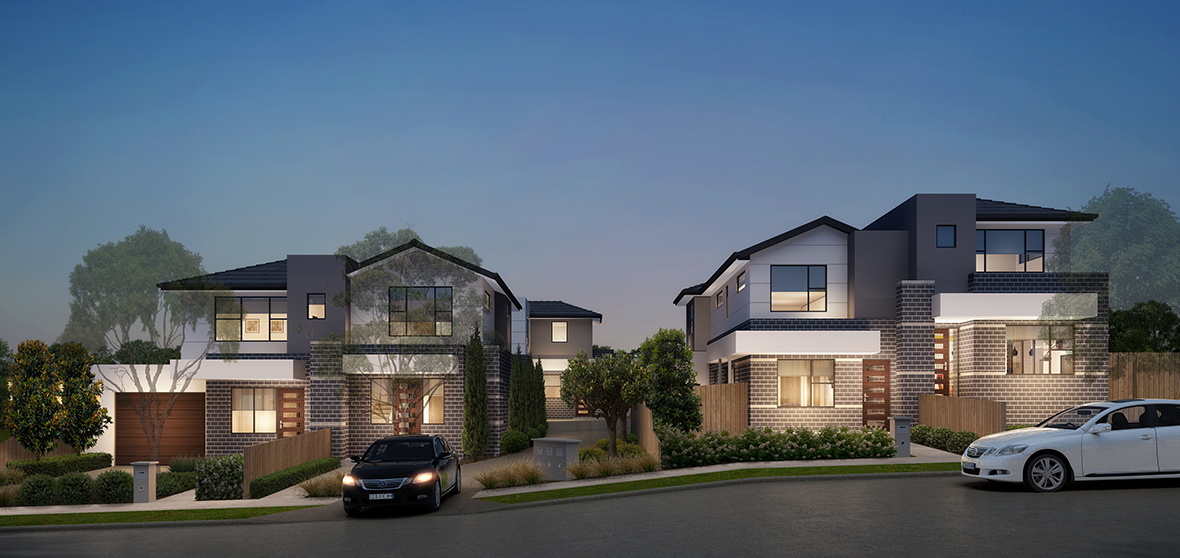
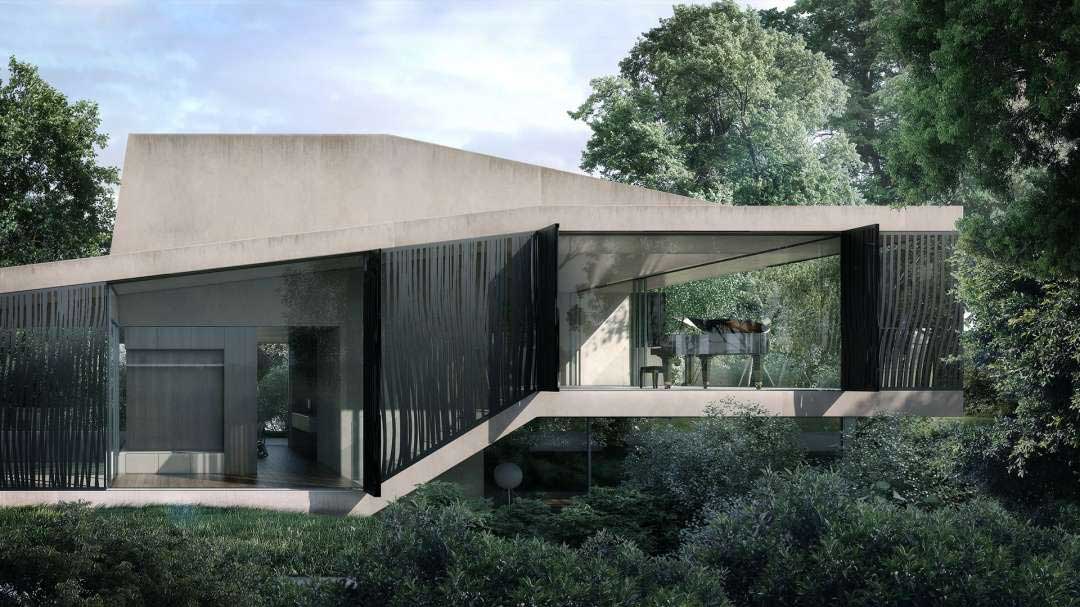
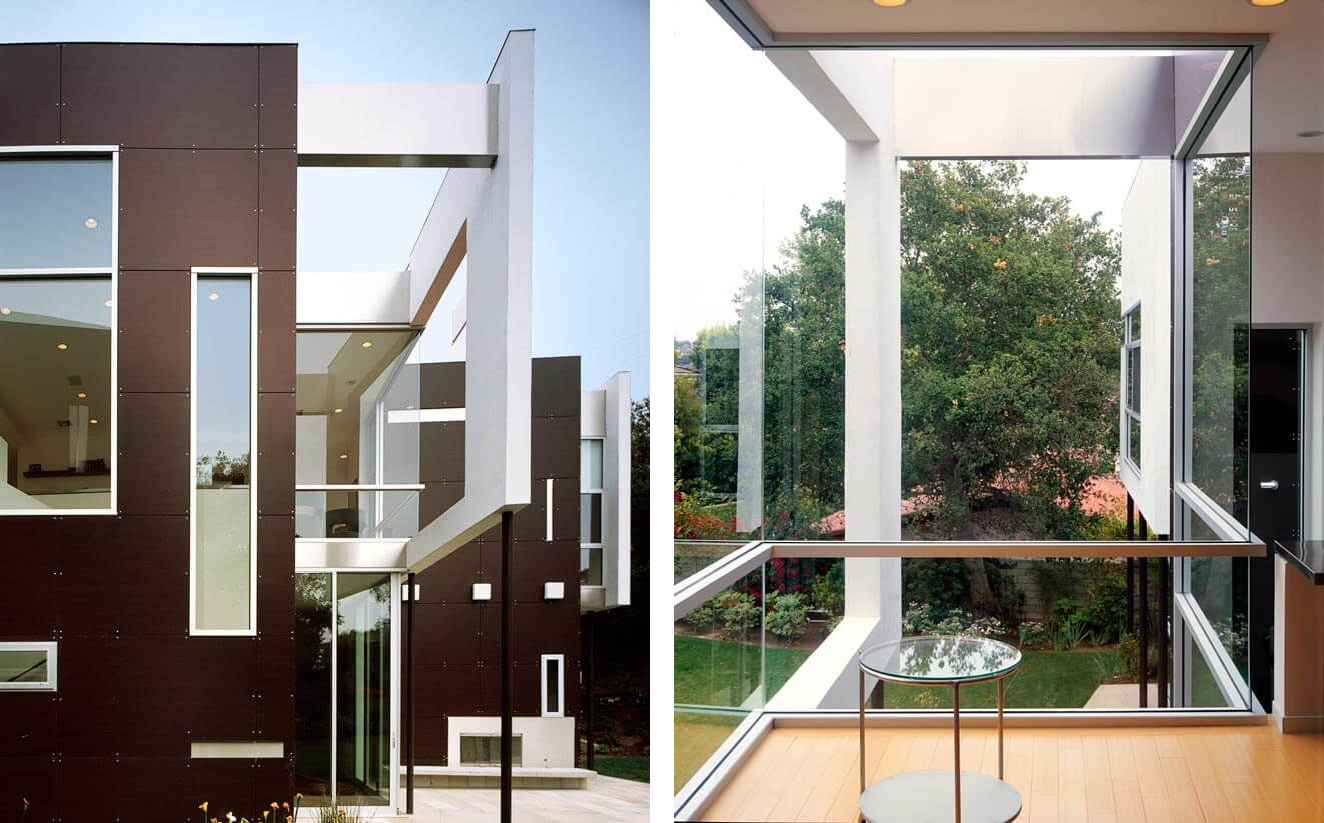
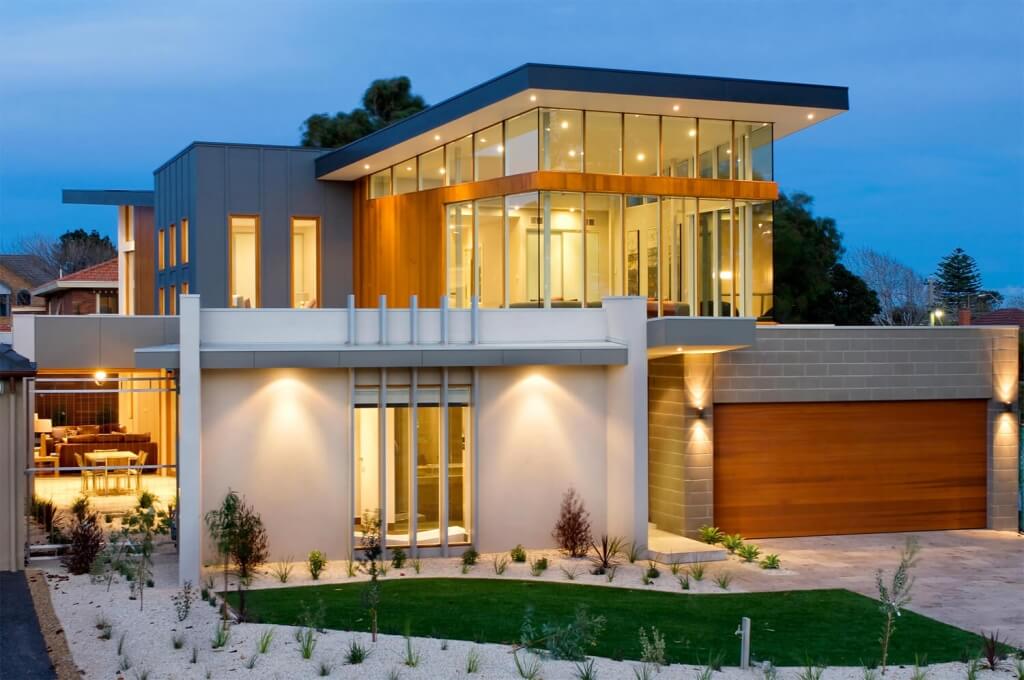
    Contemporary houses often use large, custom floor-to-ceiling windows combined with minimalist exteriors. For example, suburban homes with sleek glass panels and wooden cladding create a balance between natural warmth and modern elegance.

    These designs highlight how personalization can transform everyday residences into striking architectural statements.

    Luxury Villas
    cf.bstatic.com

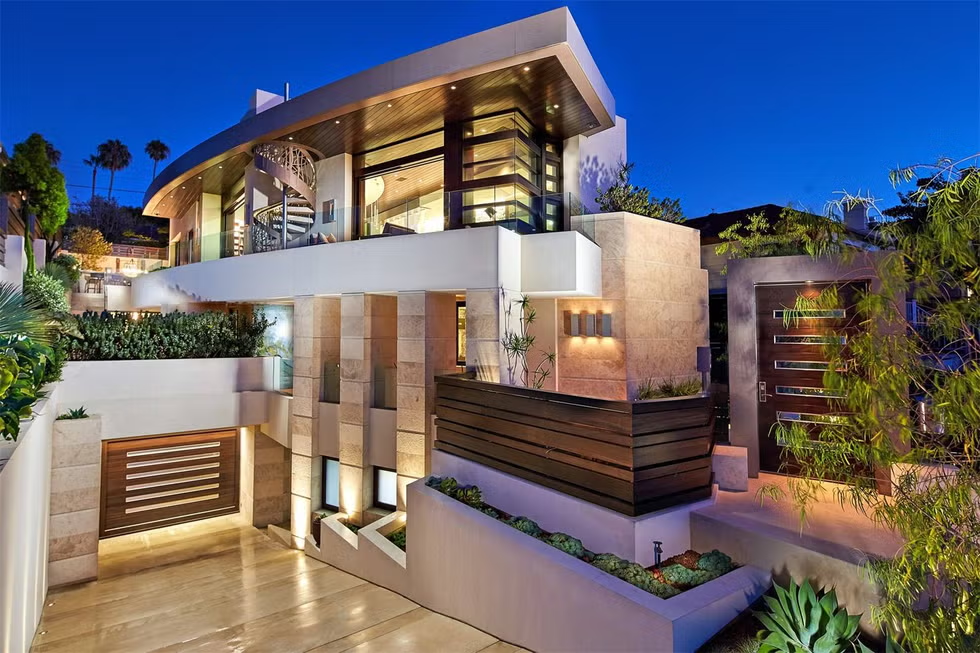
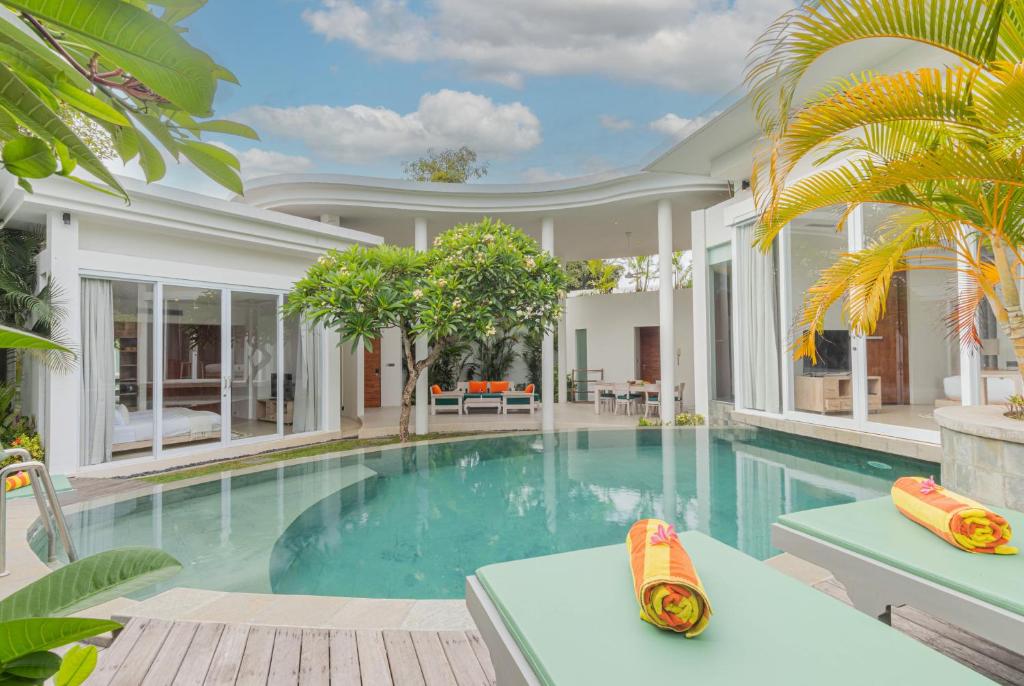
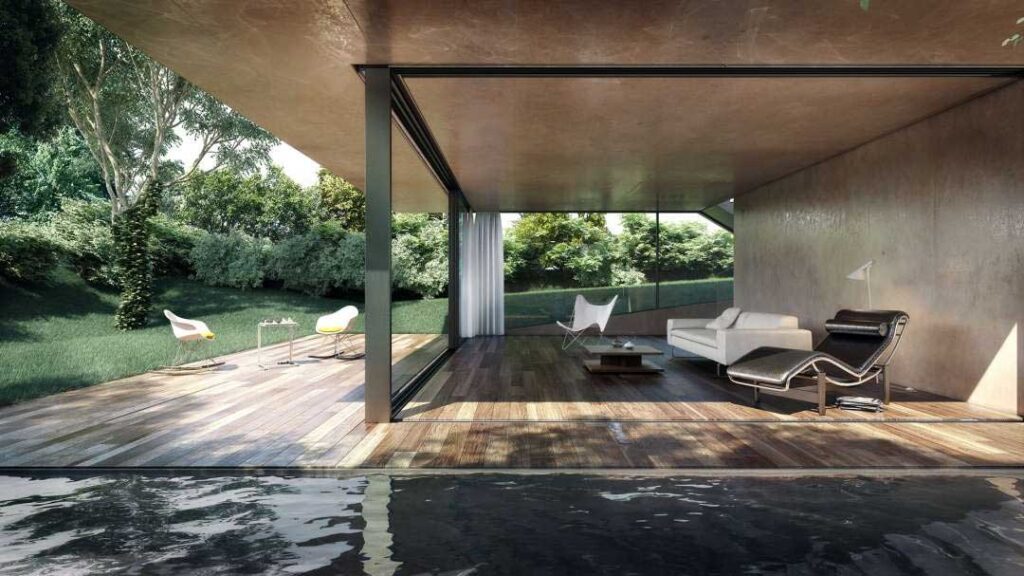
    Luxury villas frequently showcase oversized panoramic windows paired with stone facades. Renderings and finished projects often highlight breathtaking views, enhanced by custom designs that maximize natural light.

    By blending premium materials with unique layouts, these properties deliver both aesthetic sophistication and functional comfort.

    Commercial Office Buildings

    Custom exteriors in office buildings often use aluminum cladding and curtain wall systems with expansive windows. For instance, urban office towers employ reflective glass panels to create sleek, professional designs.

    These choices not only enhance brand image but also improve energy efficiency by optimizing daylight use and reducing artificial lighting costs.

    Historic Renovations

    Restoration projects often require custom window and exterior solutions to maintain authenticity. For example, heritage buildings frequently use custom wood-frame windows paired with lime-based exterior finishes.

    This approach balances preservation with modern performance, ensuring that historic charm is retained while meeting current structural standards.

    Practical Use Cases of Custom Windows and Exterior Design

    Custom windows and exterior solutions address a variety of real-world challenges:

    • Energy Conservation: Homes in cold climates benefit from triple-glazed custom windows that reduce heat loss.
    • Noise Reduction: Urban apartments use insulated custom windows to block external noise.
    • Design Consistency: Renovations and extensions use custom solutions to match existing architectural styles.
    • Brand Identity: Businesses use tailored exteriors to reflect corporate branding and attract clients.

    Role of Technology in Custom Windows and Exterior Design

    Technology plays a critical role in modern customization. Advanced software allows architects to design precise window configurations and simulate exterior finishes. Building Information Modeling (BIM) helps integrate design choices with construction processes, ensuring accuracy and efficiency.

    Innovations such as low-emissivity (Low-E) glass, smart windows that adjust to lighting conditions, and eco-friendly siding materials expand the possibilities of design. These technologies enhance both sustainability and functionality.

    Future of Custom Windows and Exterior Design
    jdhostetter.com

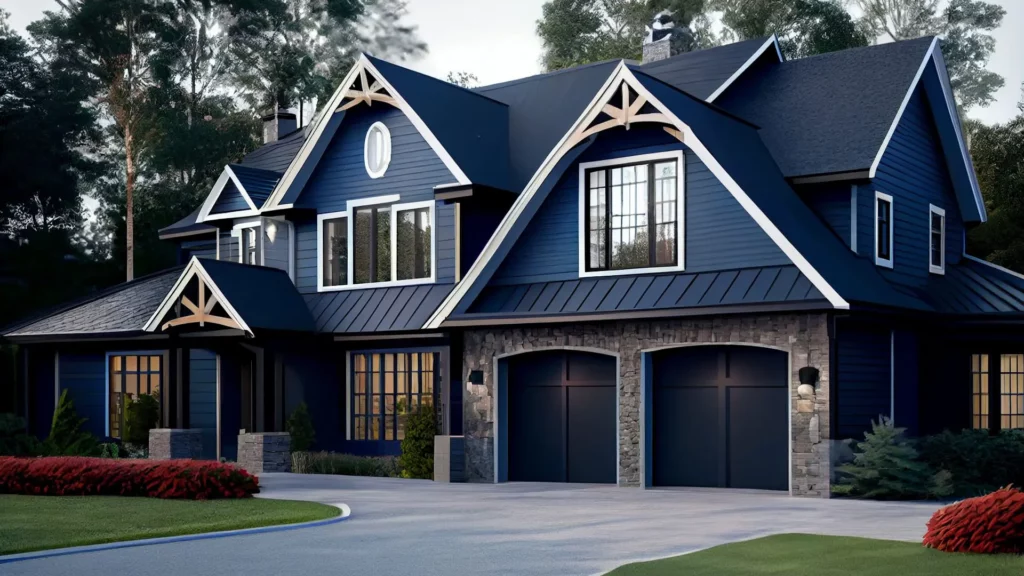
    The future of custom windows and exterior design will emphasize sustainability, smart technology, and personalization. With climate-responsive materials, solar-integrated glass, and adaptive facades, buildings will become more energy-efficient and environmentally friendly.

    As homeowners and developers demand unique and high-performing solutions, custom designs will remain central to the evolution of modern architecture.

    Frequently Asked Questions

    1. Are custom windows more expensive than standard ones?
    Yes, custom windows typically cost more due to their tailored design and materials. However, they often provide long-term value through durability, energy savings, and enhanced property appeal.

    2. Can custom windows improve energy efficiency?
    Absolutely. Custom designs often include advanced glazing, insulated frames, and smart glass technologies that significantly reduce energy consumption.

    3. Is custom exterior design suitable for all building types?
    Yes, custom windows and exteriors can be adapted for residential homes, commercial properties, and historic renovations, offering tailored solutions for every architectural need.
  • 3D Rendering Exterior: Complete Guide to Visualizing Modern Architecture and Home Design

    3D Rendering Exterior: Complete Guide to Visualizing Modern Architecture and Home Design

    3D rendering exterior has revolutionized how architects, designers, developers, and homeowners plan building projects. By transforming digital models into photorealistic images, 3D rendering provides a clear and detailed visualization of a building’s exterior before construction begins. This allows for precise decision-making, creative experimentation, and stronger communication between stakeholders.

    As technology advances, 3D exterior rendering has become a cornerstone of modern architectural planning. It combines aesthetics with functionality, ensuring that design choices align with client expectations, building regulations, and environmental factors.

    What is 3D Rendering Exterior?

    3D rendering exterior is the process of creating digital, three-dimensional visualizations of a building’s external structure. Using specialized software, architects and designers produce lifelike images that showcase materials, textures, lighting, and landscaping.

    Unlike flat drawings or 2D sketches, 3D renderings simulate real-world conditions. They allow viewers to see how a project will look under different weather, daylight, and seasonal variations, making them invaluable for planning and approvals.

    Types of 3D Exterior Renderings

    Photorealistic Renderings

    cdn.prod.website-files.com

    Photorealistic renderings replicate real-life conditions with incredible accuracy. By simulating shadows, reflections, and surface textures, these renderings are nearly indistinguishable from actual photographs.

    They are widely used in marketing campaigns, client presentations, and luxury projects, as they offer clients the most realistic impression of the finished design.

    Conceptual Renderings

    renderingofarchitecture.com

    Conceptual renderings focus on creative exploration rather than pure realism. These designs often highlight themes, styles, or abstract ideas during the early phases of planning.

    By presenting multiple versions of a concept, architects can experiment with different materials, layouts, or color schemes before narrowing down final details.

    Aerial Renderings

    www.skystudio3d.com

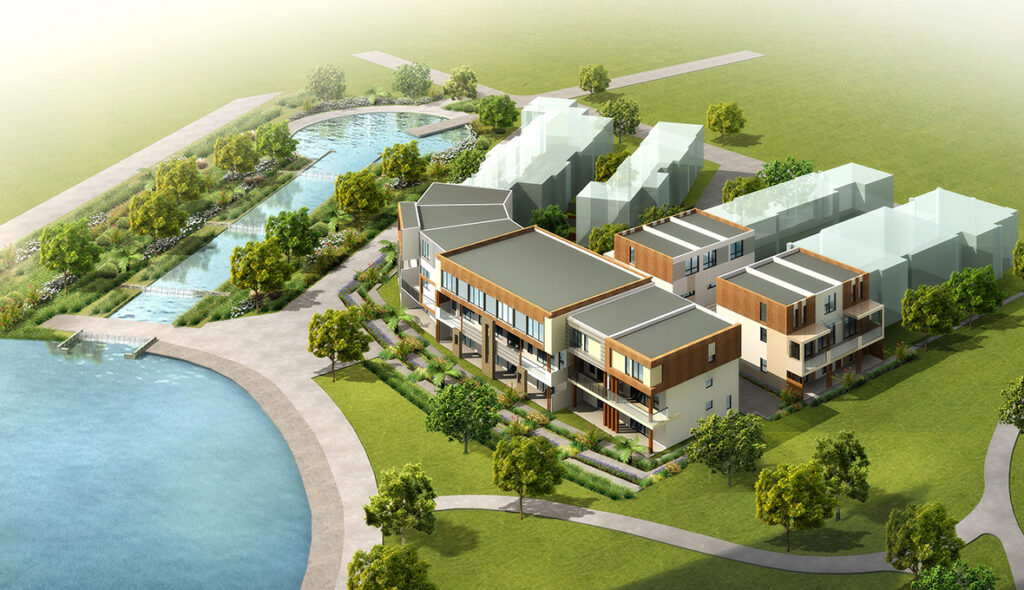
    Aerial renderings showcase a building’s exterior from above, providing a bird’s-eye perspective. They are especially useful for large-scale developments, such as multi-unit complexes, resorts, or urban projects.

    This type of rendering allows stakeholders to evaluate how a building fits into its surroundings, including roads, landscaping, and neighboring structures.

    Walkthrough Animations

    Beyond static images, walkthrough animations provide dynamic exterior visualizations. Viewers can virtually “walk around” the property, experiencing multiple angles, details, and lighting conditions.

    These animations are increasingly popular in real estate and development, as they provide an immersive experience for potential buyers and investors.

    Benefits of 3D Rendering Exterior

    3D exterior renderings deliver significant advantages for all stakeholders:

    • Visualization Accuracy: Clients see a lifelike representation of the final project.
    • Error Prevention: Identifies design flaws or structural challenges before construction begins.
    • Customization: Enables testing of multiple design variations, from materials to color schemes.
    • Enhanced Marketing: Developers and real estate agents use renderings to attract investors and buyers before completion.
    • Cost Efficiency: Minimizes costly construction changes by resolving design issues early.

    Real-World Examples of 3D Rendering Exterior

    Modern Residential Homeships

    hearstapps.com

    Architects use 3D exterior rendering to showcase modern residential designs. For instance, a suburban home with sleek glass panels and natural stone can be rendered in multiple lighting conditions to help homeowners decide on the right finish.

    This ensures that families make informed choices about style and sustainability while visualizing their dream home before construction.

    Luxury Resorts

    High-end resorts rely on photorealistic 3D exterior renderings to market their projects. By showcasing detailed landscapes, pools, and architectural features, developers can attract investors and guests even before construction begins.

    These renderings emphasize lifestyle elements, such as outdoor relaxation areas and unique architectural highlights, making them powerful marketing tools.

    Commercial Office Buildings

    Commercial projects, such as office towers, benefit from aerial and conceptual renderings. For example, urban office complexes use exterior renderings to display how glass facades interact with surrounding cityscapes.

    This approach not only attracts tenants but also helps city planners approve projects by understanding how they integrate with existing urban designs.

    Multi-Unit Housing Developments

    Developers of apartment buildings and mixed-use projects heavily depend on 3D renderings. Renderings often include entire complexes, green areas, and parking facilities to demonstrate scale and livability.

    By presenting a complete view, developers secure approvals faster and provide potential buyers with a clear vision of the finished community.

    Practical Use Cases of 3D Exterior Rendering

    3D exterior renderings address numerous real-life challenges:

    • Design Validation: Homeowners and developers validate design choices before starting construction.
    • Urban Planning: City planners use renderings to assess how buildings fit within existing environments.
    • Real Estate Marketing: Agents market unfinished properties through lifelike visuals that inspire buyer confidence.
    • Client Collaboration: Renderings reduce miscommunication by giving all stakeholders a unified vision of the project.

    Role of Technology in 3D Exterior Rendering

    Modern rendering software, such as Autodesk 3ds Max, Lumion, and V-Ray, has advanced the capabilities of 3D exterior visualization. These tools simulate real-world lighting, weather, and material textures to achieve high realism.

    Emerging technologies like virtual reality (VR) and augmented reality (AR) are enhancing the rendering experience. Clients can now immerse themselves in a virtual environment, walking around and exploring properties before they are built.

    Artificial intelligence (AI) also plays a growing role, automating repetitive tasks and generating fast, high-quality renderings for large-scale projects.

    Future of 3D Rendering Exterior

    londondesigncollective.com

    The future of 3D rendering exterior lies in sustainability, AI integration, and real-time rendering capabilities. As construction becomes more eco-conscious, renderings will incorporate simulations of energy efficiency, material sustainability, and environmental performance.

    With real-time rendering, clients will instantly view design adjustments, making the decision-making process faster and more interactive. This shift will further strengthen 3D rendering’s role as an essential tool in architecture, design, and real estate.

    Frequently Asked Questions

    1. How realistic are 3D exterior renderings?
    Modern photorealistic renderings are extremely realistic, often indistinguishable from actual photographs due to advanced lighting and texture simulations.

    2. Who uses 3D exterior renderings?
    They are widely used by architects, developers, real estate professionals, and homeowners to visualize and plan projects before construction.

    3. Can 3D exterior renderings save money on construction projects?
    Yes, by identifying issues early and allowing for precise design decisions, 3D renderings reduce costly changes during the building phase.

  • Exterior Home Renderings: Complete Guide to Visualizing and Designing Your Dream Home Exterior

    Exterior Home Renderings: Complete Guide to Visualizing and Designing Your Dream Home Exterior

    Exterior home renderings are transforming the way homeowners, architects, and developers plan and design properties. By creating photorealistic or conceptual digital images of a home’s exterior, rendering provides a clear visual representation before construction or renovation begins. This technology bridges the gap between design concepts and finished projects, ensuring that homeowners can confidently make decisions about colors, materials, and layouts.

    As modern software advances, exterior home renderings have become more accurate, accessible, and customizable, making them an essential part of residential design and construction planning.

    What Are Exterior Home Renderings?

    Exterior home renderings are digital or illustrated representations of how a property’s exterior will look upon completion. Using 3D modeling software, architects and designers can create realistic views that showcase materials, lighting, textures, and landscaping.

    Unlike traditional blueprints or sketches, renderings allow clients to visualize every detail. This provides clarity, reduces miscommunication, and enables precise adjustments before construction begins.

    Types of Exterior Home Renderings

    2D Exterior Renderings

    www.skystudio3d.com.au

    2D renderings offer flat, static images of a home’s exterior. While they are less interactive than 3D renderings, they are useful for showing design layouts, elevations, and simple perspectives.

    Homeowners use 2D renderings to understand basic structures, proportions, and material placements. They are also commonly used for quick conceptual presentations.

    3D Exterior Renderings

    archicgi.com

    3D renderings provide realistic, dynamic perspectives of a home’s exterior. These visualizations capture details like shadows, reflections, and environmental effects, giving a true-to-life impression of the finished property.

    3D renderings are highly popular because they help homeowners visualize every element, from roof tiles to landscaping features, making decision-making far easier and more precise.

    Photorealistic Renderings

    fibreguard.com

    Photorealistic renderings take 3D designs a step further by mimicking real-world textures, lighting, and materials. They are often indistinguishable from actual photographs.

    These renderings are commonly used for high-end projects, marketing campaigns, and detailed client presentations, offering the highest level of accuracy and realism.

    Conceptual Renderings

    Conceptual renderings focus on artistic or stylized presentations rather than full realism. They are useful during the early stages of design, where architects and homeowners explore multiple styles or themes.

    This type of rendering provides flexibility, allowing stakeholders to experiment with creative ideas before finalizing details.

    Benefits of Exterior Home Renderings

    Exterior home renderings provide numerous advantages for both homeowners and professionals:

    • Enhanced Visualization: Helps clients clearly see how their home will look before construction.
    • Improved Communication: Reduces misunderstandings between designers, builders, and clients.
    • Cost Savings: Identifies design issues early, preventing costly changes during construction.
    • Customization: Allows homeowners to test different color schemes, materials, and landscaping options.
    • Marketing Tool: Developers and real estate professionals use renderings to attract buyers by showcasing finished designs before completion.

    Real-World Examples of Exterior Home Renderings

    Modern Family Homes

    www.moderndream.cz

    Modern family homes often utilize photorealistic renderings to visualize design choices. For example, a suburban home design with stone cladding and glass paneling can be rendered in different lighting conditions, helping homeowners choose the right balance of textures.

    This ensures the final construction aligns with the family’s aesthetic preferences while highlighting energy-efficient design features.

    Luxury Villas

    Luxury villa projects often depend on high-resolution 3D renderings to display premium finishes such as marble, wood, or metallic facades. A rendering might include surrounding landscaping, pools, and outdoor lighting.

    These renderings not only showcase the villa’s elegance but also allow homeowners to preview lifestyle elements, such as outdoor entertainment areas.

    Renovation Projects

    Exterior renderings are invaluable for renovation projects. For instance, a traditional home undergoing modernization can be rendered with new siding, updated roofing, and fresh landscaping before work begins.

    This provides a direct comparison between the current and proposed look, helping clients make informed renovation decisions.

    Multi-Unit Residential Developments

    Developers of apartment complexes and multi-family units rely heavily on exterior renderings to present entire projects to stakeholders. Renderings might include multiple buildings, green spaces, and communal areas.

    By showcasing the project’s scale and aesthetic appeal, developers can secure approvals, attract investors, and market properties before construction finishes.

    Practical Use Cases of Exterior Home Renderings

    Exterior home renderings address several real-life challenges:

    • Decision-Making: Homeowners can test multiple design options without committing to costly changes.
    • Project Approval: Builders and developers use renderings to gain approvals from planning authorities.
    • Investor Attraction: Real estate professionals use renderings to market unfinished projects, increasing investor confidence.
    • Error Prevention: By identifying design flaws early, renderings reduce the risk of costly construction delays.

    Role of Technology in Exterior Home Renderings

    cdn.prod.website-files.com

    Advancements in software and visualization tools have transformed rendering services. Programs like AutoDesk, SketchUp, and Lumion create highly detailed 3D models, while AI-assisted rendering enhances speed and accuracy.

    Virtual reality (VR) and augmented reality (AR) are also being integrated, allowing clients to virtually walk around their homes before they are built. This immersive experience further improves decision-making and ensures satisfaction with the final design.

    Future of Exterior Home Renderings

    The future of exterior home renderings will see greater integration of AI, real-time rendering, and sustainable design elements. With smart technology, renderings will automatically adjust to show how designs perform under different environmental conditions, such as daylight, seasonal changes, or climate variations.

    As rendering tools evolve, they will continue to bridge the gap between imagination and reality, giving homeowners more confidence in their investments.

    Frequently Asked Questions

    1. How accurate are exterior home renderings?
    Exterior home renderings are highly accurate, especially photorealistic versions. They provide realistic depictions of materials, lighting, and landscaping.

    2. Can renderings be changed during the design process?
    Yes, renderings are highly flexible and can be updated as homeowners or designers make changes to layouts, materials, or colors.

    3. Do exterior renderings increase property value?
    While the renderings themselves do not directly increase property value, they play a key role in ensuring that design choices enhance the home’s long-term appeal and market value.

  • Modern Exteriors by Design: Complete Guide to Stylish and Functional Outdoor Spaces

    Modern Exteriors by Design: Complete Guide to Stylish and Functional Outdoor Spaces

    Modern exteriors by design represent a growing trend in both residential and commercial architecture. This approach emphasizes clean lines, innovative use of materials, energy efficiency, and aesthetic appeal. By blending contemporary styles with functional elements, modern exterior design transforms buildings into visually striking yet practical spaces.

    The rise of modern exteriors is linked to advances in building materials, sustainability practices, and architectural creativity. From sleek glass facades to textured finishes, modern exterior designs offer endless opportunities for personalization while meeting environmental and structural demands.

    What Does Modern Exteriors by Design Mean?

    Modern exteriors by design refer to the planning and execution of architectural features that create a contemporary look and feel. It goes beyond surface aesthetics, incorporating sustainable technologies, energy efficiency, and innovative construction techniques.

    This design philosophy often integrates natural light, open layouts, and harmony between indoor and outdoor spaces. Unlike traditional styles that rely heavily on decorative elements, modern exteriors prioritize minimalism, functionality, and environmental performance.

    Core Features of Modern Exterior Design

    Minimalism and Clean Lines

    www.bestinteriordesigners.eu

    Minimalism is central to modern exteriors by design. Buildings often feature sharp angles, flat roofs, and uncluttered facades. The simplicity of form allows other aspects—like materials and lighting—to stand out.

    This approach creates a timeless appearance that adapts well to urban and suburban settings, making it suitable for both residential and commercial properties.

    Integration of Natural Elements

    amazingarchitecture.com

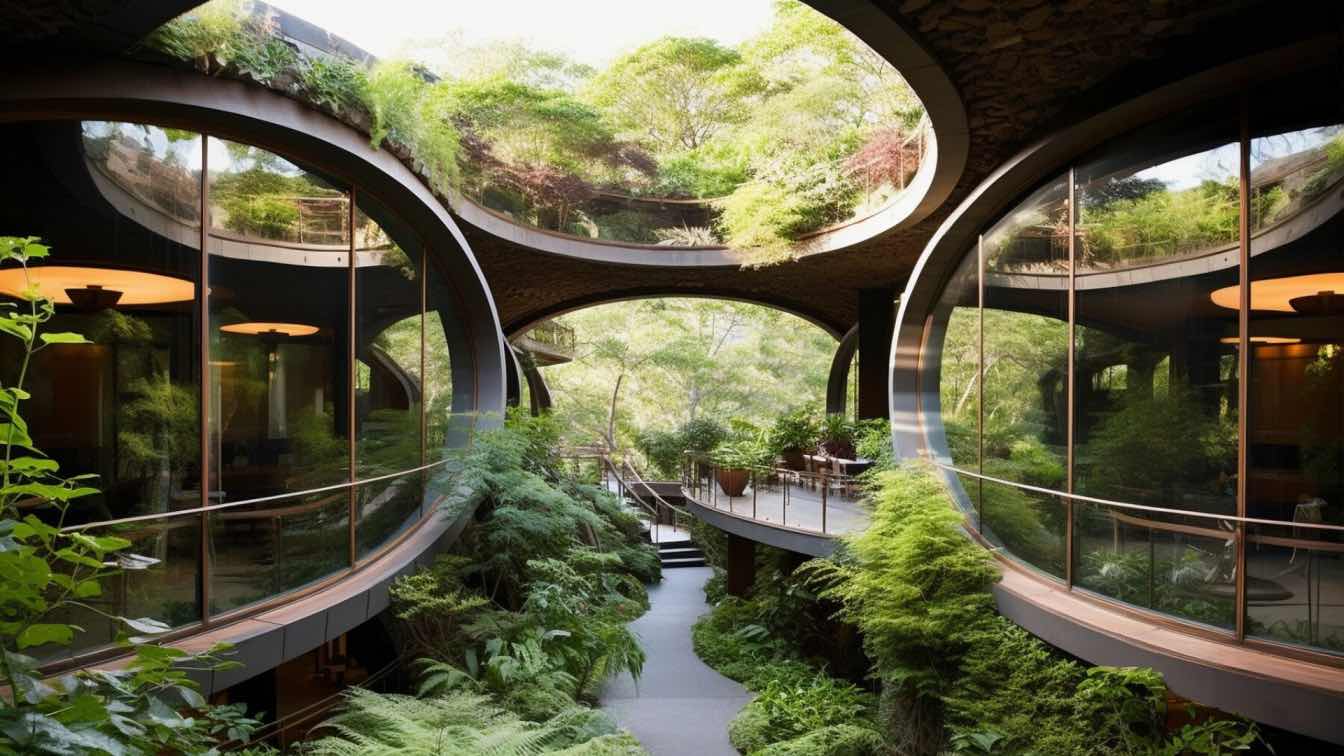
    Modern exterior design frequently incorporates natural elements like wood, stone, and greenery. These elements balance the sleekness of glass and steel, providing warmth and sustainability.

    Green walls, rooftop gardens, and wooden cladding are common ways to blend natural materials with contemporary aesthetics, ensuring a connection between architecture and the environment.

    Use of Innovative Materials

    cdn.ca.emap.com

    Contemporary exteriors employ advanced materials such as fiber cement panels, aluminum cladding, and high-performance glass. These materials provide durability while maintaining a sleek aesthetic.

    Not only do these innovations improve structural resilience, but they also offer energy-saving benefits, enhancing the long-term sustainability of buildings.

    Benefits of Modern Exteriors by Design

    Modern exterior designs provide several practical and aesthetic advantages:

    • Energy Efficiency: Through advanced insulation, solar integration, and reflective materials, modern exteriors reduce energy consumption.
    • Durability: High-performance materials withstand harsh weather conditions and require less maintenance.
    • Aesthetic Appeal: Clean lines, symmetry, and a minimalist look enhance property value and visual impact.
    • Sustainability: Eco-friendly materials and green spaces contribute to environmental preservation.
    • Customization: A  Wide range of finishes and design elements allows for unique personalization.

    Real-World Examples of Modern Exteriors by Design

    Glass-Dominated Residential Homes

    cdn.prod.website-files.com

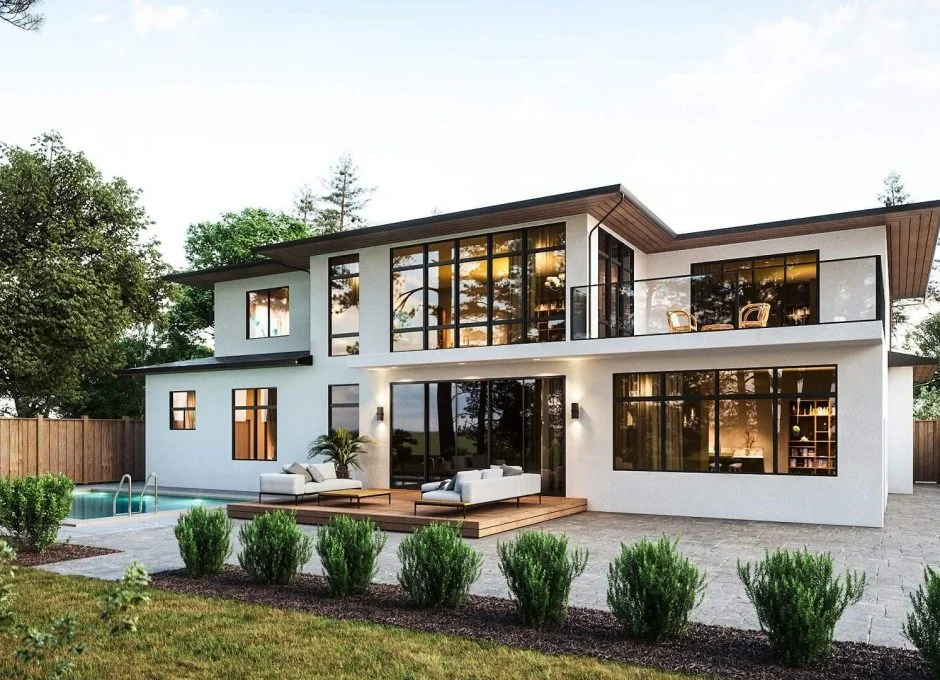
    Modern homes often use expansive glass facades to maximize natural light. For example, contemporary villas and suburban houses use floor-to-ceiling windows that create seamless transitions between indoor and outdoor spaces.

    These homes highlight how glass not only enhances aesthetics but also supports energy efficiency by reducing reliance on artificial lighting.

    Urban Office Buildings

    static.designboom.com

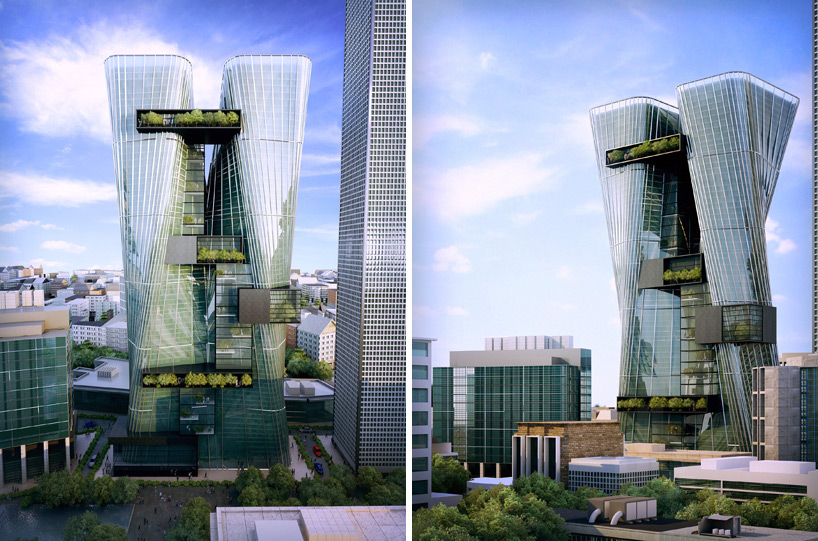
    Modern office complexes frequently showcase aluminum and glass cladding for sleek, professional exteriors. For instance, business towers in major cities often combine reflective glass with geometric designs to project innovation and professionalism.

    Such buildings demonstrate how exterior design can impact branding, attracting businesses and tenants who value contemporary aesthetics.

    Sustainable Community Centers

    Community buildings designed with modern exteriors often incorporate eco-friendly technologies such as solar panels and rainwater harvesting systems. For example, sustainable centers in urban areas feature wooden cladding, green roofs, and large windows to reduce energy usage.

    This shows how design can extend beyond aesthetics to improve environmental sustainability and community engagement.

    Luxury Apartment Complexes

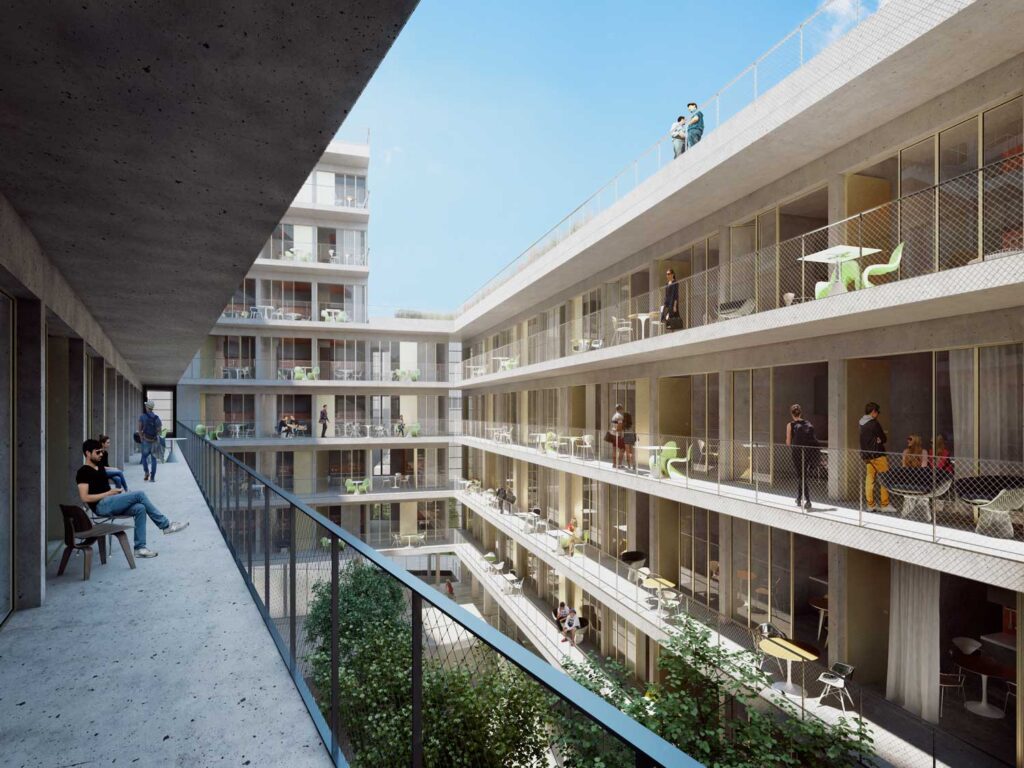
    High-rise residential complexes often use mixed materials like concrete, steel, and stone finishes for an upscale look. These exteriors are complemented by balconies, open terraces, and greenery to provide both style and comfort.

    Such examples highlight the versatility of modern exteriors in creating visually appealing yet practical living spaces.

    Practical Use Cases of Modern Exterior Design

    Modern exteriors by design address multiple real-life challenges:

    • Climate Adaptation: Buildings in hot climates use reflective materials and shaded facades to minimize heat absorption.
    • Urban Density: High-rise complexes with modern exteriors maximize living space while maintaining aesthetic appeal.
    • Sustainability Goals: Public and private buildings use eco-friendly materials and designs to meet environmental targets.
    • Property Value Enhancement: Modernized exteriors significantly increase the resale and rental value of properties.

    The Role of Technology in Modern Exterior Design

    Advances in technology are driving the evolution of modern exteriors. 3D modeling software enables architects to create precise, detailed renderings before construction. Smart materials, like self-cleaning glass and thermal panels, are being integrated into modern buildings.

    Lighting technology also plays a vital role. LED systems and solar-powered exterior lights enhance the nighttime appeal of modern structures while reducing energy consumption.

    Future of Modern Exteriors by Design

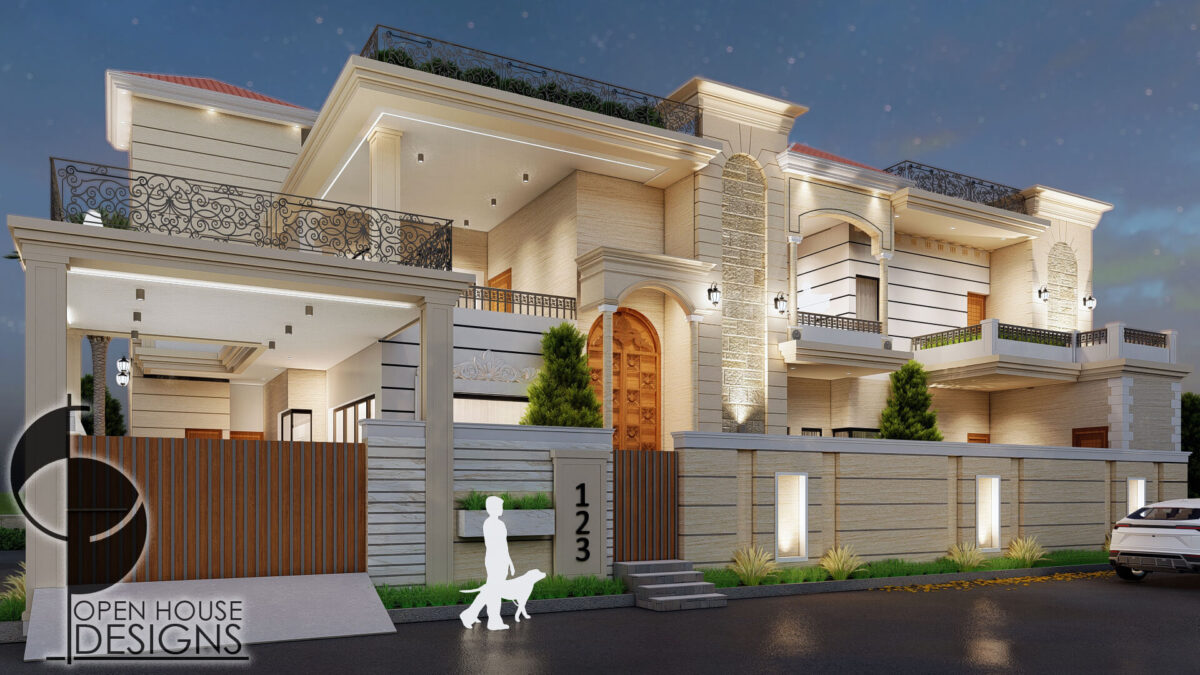
    www.openhousedesigns.com

    The future of modern exteriors will continue to prioritize sustainability and technology. Developments such as carbon-neutral materials, AI-assisted design, and climate-responsive facades are set to transform architecture.

    As urban populations grow, the demand for efficient, sustainable, and stylish exterior solutions will increase, making modern exterior design a cornerstone of future construction.

    Frequently Asked Questions

    1. How do modern exteriors differ from traditional designs?
    Modern exteriors emphasize minimalism, energy efficiency, and innovative materials, whereas traditional designs often focus on ornamentation and classical aesthetics.

    2. Can modern exteriors improve property value?
    Yes, modern exterior upgrades can significantly increase a property’s value by enhancing both appearance and functionality.

    3. Are modern exteriors environmentally friendly?
    Many modern exterior designs use eco-friendly materials and technologies, such as green walls and solar panels, to reduce environmental impact.

  • Exterior Rendering Services: Comprehensive Guide to Modern Solutions for Homes and Businesses

    Exterior Rendering Services: Comprehensive Guide to Modern Solutions for Homes and Businesses

    Exterior rendering services play a vital role in modern construction and renovation projects, offering both aesthetic and practical solutions for building exteriors. By applying high-quality renders to external walls, homeowners and businesses can protect their properties, improve insulation, and enhance visual appeal. With advancements in rendering technologies and materials, this service has evolved far beyond traditional plastering, providing cutting-edge options suitable for different architectural styles and climates.

    This article explores exterior rendering services in detail, covering their benefits, available technologies, real-world use cases, and practical applications. Whether you are a homeowner looking to upgrade your property or a developer seeking modern building solutions, understanding rendering services can provide valuable insights into long-term investments.

    What Are Exterior Rendering Services?

    Exterior rendering services involve the application of a specialized coating to the external walls of a building. This coating can be made from materials such as cement, lime, acrylic, or silicone-based renders. The primary purpose is to protect walls from environmental damage, improve thermal performance, and create a visually appealing finish.

    Historically, rendering was used primarily to safeguard buildings from harsh weather. Today, it also plays a role in energy efficiency and architectural design, making it one of the most versatile finishing options in construction.

    Types of Exterior Rendering

    Cement Rendering

    zaksrender.com.au

    Cement rendering remains one of the most widely used methods. It involves mixing sand, cement, and lime to create a durable coating. Cement render is strong, resistant to weathering, and can be finished in various textures.

    This option is ideal for those seeking a cost-effective solution that provides long-term resilience. However, it may require regular maintenance, especially in climates with extreme temperature fluctuations.

    Acrylic Rendering

    probuildrendering.com.au

    Acrylic rendering uses acrylic, a type of plastic, within the render mix. This enhances flexibility, reducing the risk of cracks. It also allows for faster drying times compared to traditional cement renders.

    Due to its adaptability, acrylic rendering is often used in both residential and commercial projects. It comes in a variety of colors and finishes, making it an excellent choice for modern architecture.

    Silicone Rendering

    Silicone rendering has gained popularity for its superior water resistance and breathability. Unlike other types, silicone render repels water while still allowing walls to release trapped moisture.

    This ensures longevity, reduces mold growth, and maintains the building’s structural integrity. Silicone renders are also available in numerous textures and colors, offering versatility for designers and builders.

    Lime Rendering

    Lime rendering is an eco-friendly solution commonly used for historical restorations. Lime’s natural flexibility prevents cracking, while its breathability makes it suitable for older buildings with traditional materials.

    Many conservation projects rely on lime render to preserve architectural authenticity while still protecting environmental elements.

    Benefits of Exterior Rendering Services

    Exterior rendering services provide a wide range of benefits that extend beyond surface aesthetics. These include:

    • Improved Weather Resistance: Rendering protects walls against rain, wind, and UV rays.
    • Thermal Efficiency: Certain renders enhance insulation, reducing heating and cooling costs.
    • Durability: High-quality renders can last for decades with minimal upkeep.
    • Aesthetic Enhancement: A Wide range of finishes and textures can completely transform the exterior appearance of a property.
    • Low Maintenance: Modern renders are designed to resist fading, cracking, and staining.

    Real-World Examples of Exterior Rendering Applications

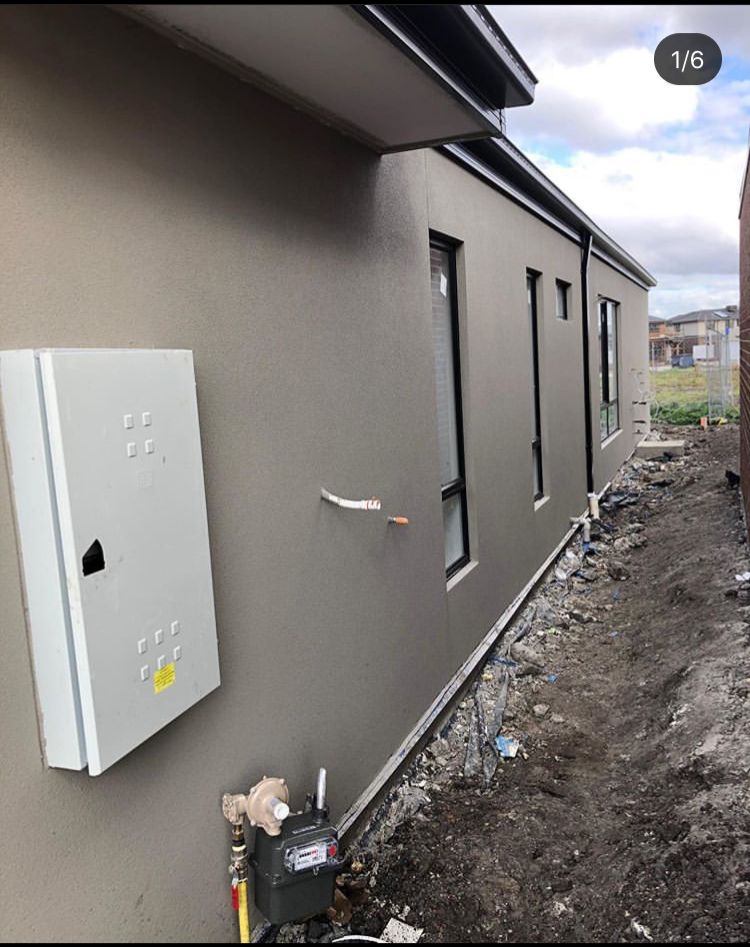
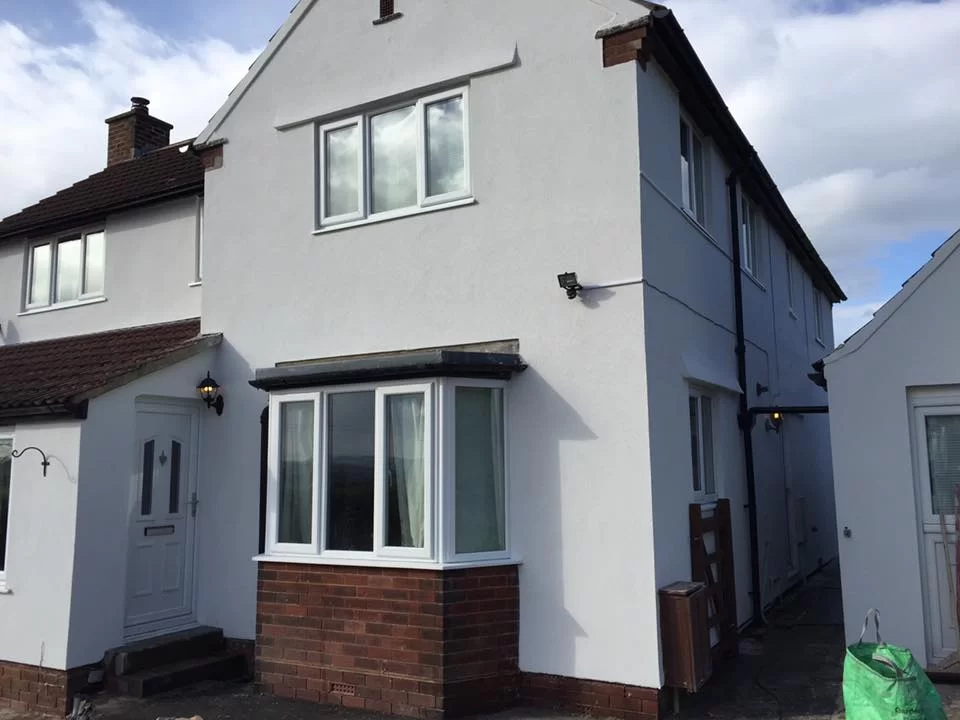
    Modern Residential Homes

    Insert image of the product format

    Contemporary homes frequently utilize acrylic or silicone rendering for sleek finishes. For instance, modern suburban properties often showcase light-colored silicone renders that create a clean, elegant look while ensuring durability against varying weather.

    Such homes benefit from both visual transformation and improved energy efficiency, particularly in climates where temperature control is critical.

    Heritage Building Restorations

    Insert image of the product format.

    Historical buildings, such as old townhouses and churches, often require lime rendering. For example, restoration projects in European cities frequently use lime render to maintain architectural integrity.

    This approach not only preserves heritage but also ensures the building remains structurally sound while blending seamlessly with its historical context.

    Commercial Buildings and Offices

    Insert image of the product form.t

    Large office buildings benefit from silicone rendering due to its low maintenance and long-lasting properties. For example, business complexes in urban environments often use colored silicone renders to create a professional, polished exterior.

    Such applications reduce the need for frequent upkeep while giving businesses a modern, attractive appearance.

    Multi-Unit Residential Projects

    Insert image of the product format

    Apartment complexes often employ acrylic rendering due to its flexibility and wide range of finishes. Developers prefer acrylic render for its fast application and customizable aesthetics.

    These projects demonstrate how rendering can combine functionality with appealing designs, adding value to residential communities.

    Practical Use Cases for Exterior Rendering Services

    Exterior rendering services solve numerous real-life challenges in construction and property maintenance. For example:

    • Weather Protection: Properties in coastal areas benefit from silicone renders that resist saltwater erosion.
    • Structural Longevity: Older buildings with weakened facades use lime rendering for reinforcement.
    • Energy Savings: Homes with external insulation and render systems reduce heating bills significantly.
    • Urban Aesthetics: Developers use rendering to create modern finishes that increase property value in competitive markets.

    Future of Exterior Rendering Services

    www.agcaddesigns.com

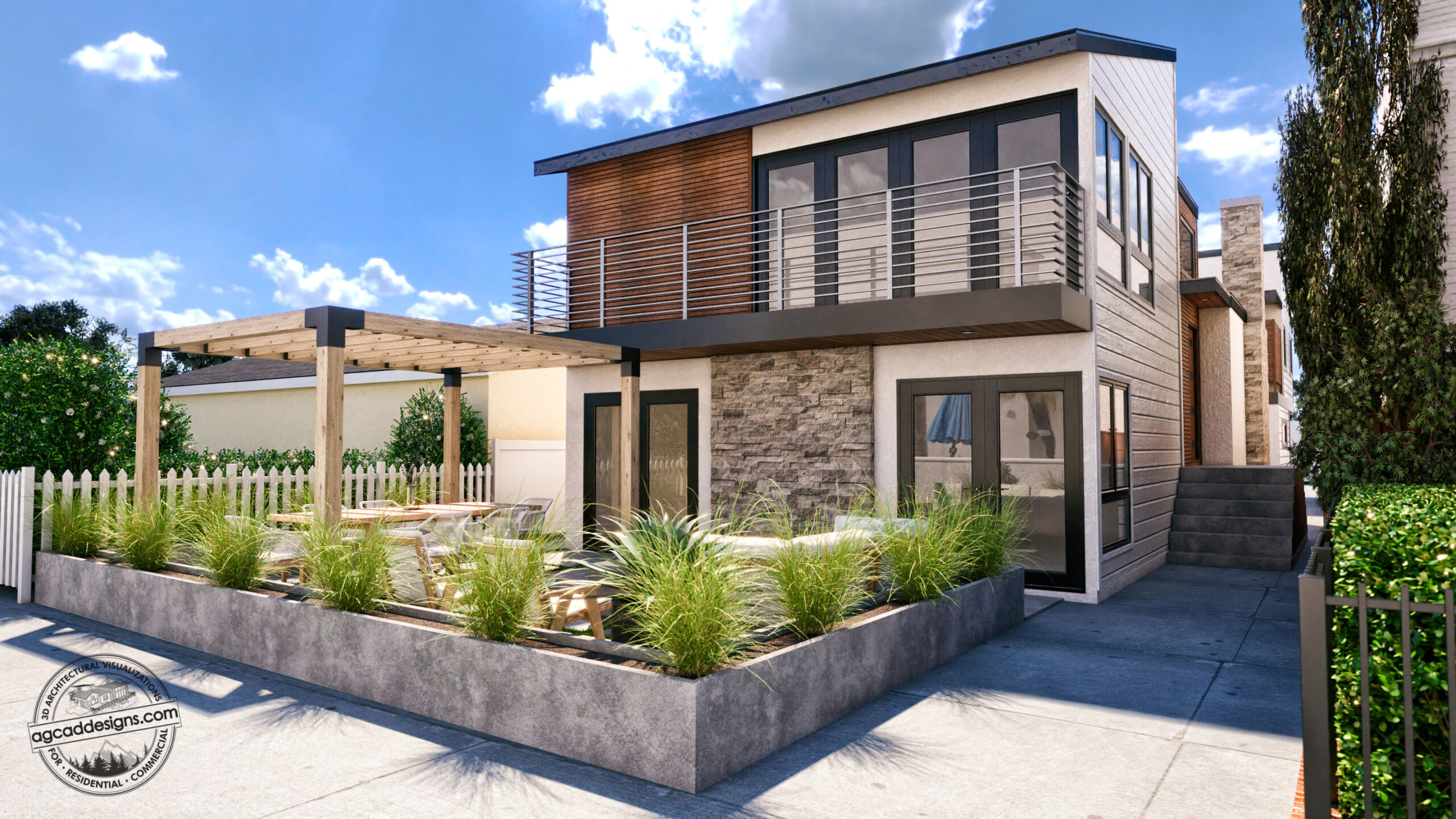
    With the growth of sustainable construction practices, rendering services are increasingly incorporating eco-friendly materials and technologies. Innovations such as self-cleaning silicone renders and energy-efficient insulating systems are shaping the industry’s future.

    The demand for exterior rendering is also expanding due to urban development and the need for cost-effective, long-lasting building solutions.

    Frequently Asked Questions

    1. How long does exterior rendering last?
    High-quality rendering can last between 20 to 40 years, depending on the material used and maintenance practices.

    2. Is exterior rendering suitable for all buildings?
    Most buildings can benefit from rendering, but the material choice depends on factors like climate, building age, and architectural style.

    3. Does rendering improve energy efficiency?
    Yes, certain rendering systems combined with insulation can significantly enhance thermal performance, reducing heating and cooling costs.