Exterior rendering services play a vital role in modern construction and renovation projects, offering both aesthetic and practical solutions for building exteriors. By applying high-quality renders to external walls, homeowners and businesses can protect their properties, improve insulation, and enhance visual appeal. With advancements in rendering technologies and materials, this service has evolved far beyond traditional plastering, providing cutting-edge options suitable for different architectural styles and climates.
This article explores exterior rendering services in detail, covering their benefits, available technologies, real-world use cases, and practical applications. Whether you are a homeowner looking to upgrade your property or a developer seeking modern building solutions, understanding rendering services can provide valuable insights into long-term investments.
What Are Exterior Rendering Services?
Exterior rendering services involve the application of a specialized coating to the external walls of a building. This coating can be made from materials such as cement, lime, acrylic, or silicone-based renders. The primary purpose is to protect walls from environmental damage, improve thermal performance, and create a visually appealing finish.
Historically, rendering was used primarily to safeguard buildings from harsh weather. Today, it also plays a role in energy efficiency and architectural design, making it one of the most versatile finishing options in construction.
Types of Exterior Rendering
Cement Rendering
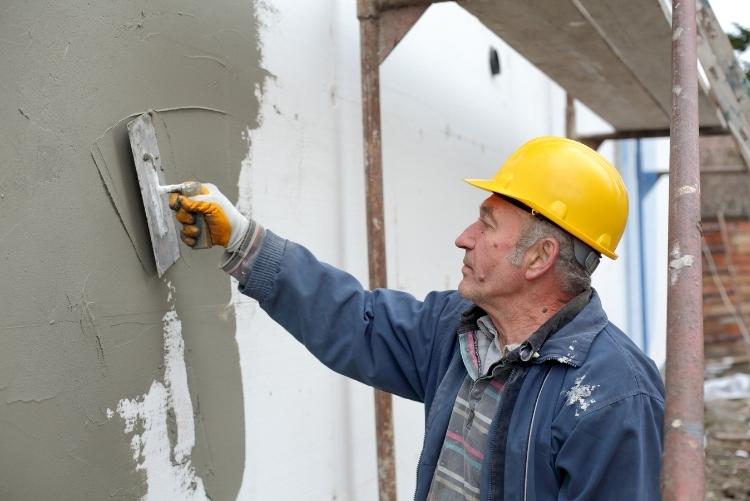
Cement rendering remains one of the most widely used methods. It involves mixing sand, cement, and lime to create a durable coating. Cement render is strong, resistant to weathering, and can be finished in various textures.
This option is ideal for those seeking a cost-effective solution that provides long-term resilience. However, it may require regular maintenance, especially in climates with extreme temperature fluctuations.
Acrylic Rendering
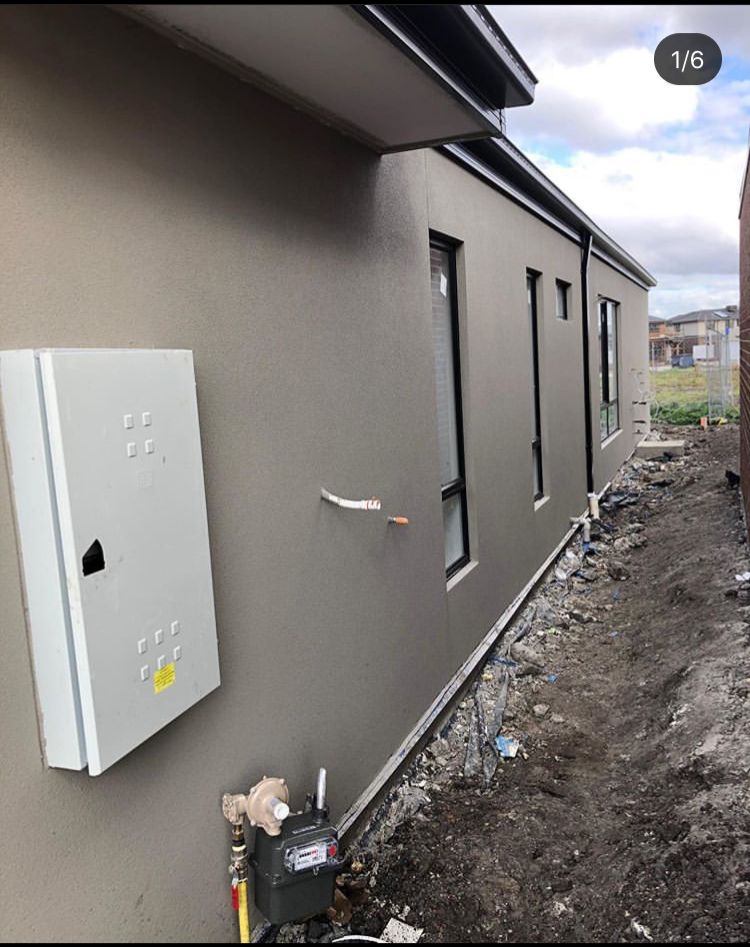
Acrylic rendering uses acrylic, a type of plastic, within the render mix. This enhances flexibility, reducing the risk of cracks. It also allows for faster drying times compared to traditional cement renders.
Due to its adaptability, acrylic rendering is often used in both residential and commercial projects. It comes in a variety of colors and finishes, making it an excellent choice for modern architecture.
Silicone Rendering
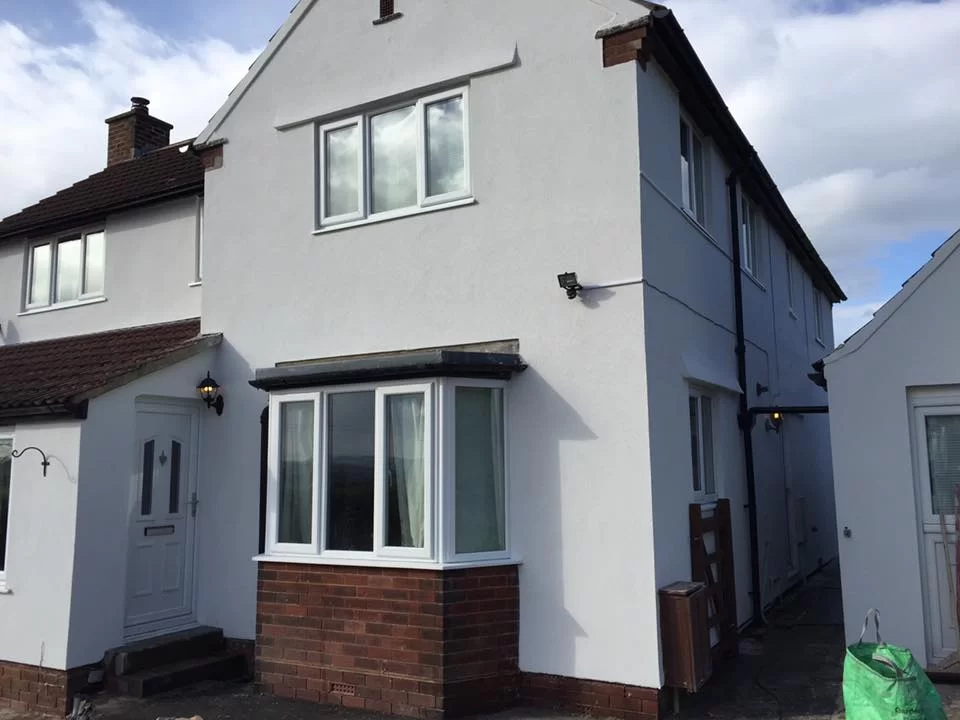
Silicone rendering has gained popularity for its superior water resistance and breathability. Unlike other types, silicone render repels water while still allowing walls to release trapped moisture.
This ensures longevity, reduces mold growth, and maintains the building’s structural integrity. Silicone renders are also available in numerous textures and colors, offering versatility for designers and builders.
Lime Rendering
Lime rendering is an eco-friendly solution commonly used for historical restorations. Lime’s natural flexibility prevents cracking, while its breathability makes it suitable for older buildings with traditional materials.
Many conservation projects rely on lime render to preserve architectural authenticity while still protecting environmental elements.
Benefits of Exterior Rendering Services
Exterior rendering services provide a wide range of benefits that extend beyond surface aesthetics. These include:
- Improved Weather Resistance: Rendering protects walls against rain, wind, and UV rays.
- Thermal Efficiency: Certain renders enhance insulation, reducing heating and cooling costs.
- Durability: High-quality renders can last for decades with minimal upkeep.
- Aesthetic Enhancement: A Wide range of finishes and textures can completely transform the exterior appearance of a property.
- Low Maintenance: Modern renders are designed to resist fading, cracking, and staining.
Real-World Examples of Exterior Rendering Applications
Modern Residential Homes
Insert image of the product format
Contemporary homes frequently utilize acrylic or silicone rendering for sleek finishes. For instance, modern suburban properties often showcase light-colored silicone renders that create a clean, elegant look while ensuring durability against varying weather.
Such homes benefit from both visual transformation and improved energy efficiency, particularly in climates where temperature control is critical.
Heritage Building Restorations
Insert image of the product format.
Historical buildings, such as old townhouses and churches, often require lime rendering. For example, restoration projects in European cities frequently use lime render to maintain architectural integrity.
This approach not only preserves heritage but also ensures the building remains structurally sound while blending seamlessly with its historical context.
Commercial Buildings and Offices
Insert image of the product form.t
Large office buildings benefit from silicone rendering due to its low maintenance and long-lasting properties. For example, business complexes in urban environments often use colored silicone renders to create a professional, polished exterior.
Such applications reduce the need for frequent upkeep while giving businesses a modern, attractive appearance.
Multi-Unit Residential Projects
Insert image of the product format
Apartment complexes often employ acrylic rendering due to its flexibility and wide range of finishes. Developers prefer acrylic render for its fast application and customizable aesthetics.
These projects demonstrate how rendering can combine functionality with appealing designs, adding value to residential communities.
Practical Use Cases for Exterior Rendering Services
Exterior rendering services solve numerous real-life challenges in construction and property maintenance. For example:
- Weather Protection: Properties in coastal areas benefit from silicone renders that resist saltwater erosion.
- Structural Longevity: Older buildings with weakened facades use lime rendering for reinforcement.
- Energy Savings: Homes with external insulation and render systems reduce heating bills significantly.
- Urban Aesthetics: Developers use rendering to create modern finishes that increase property value in competitive markets.
Future of Exterior Rendering Services
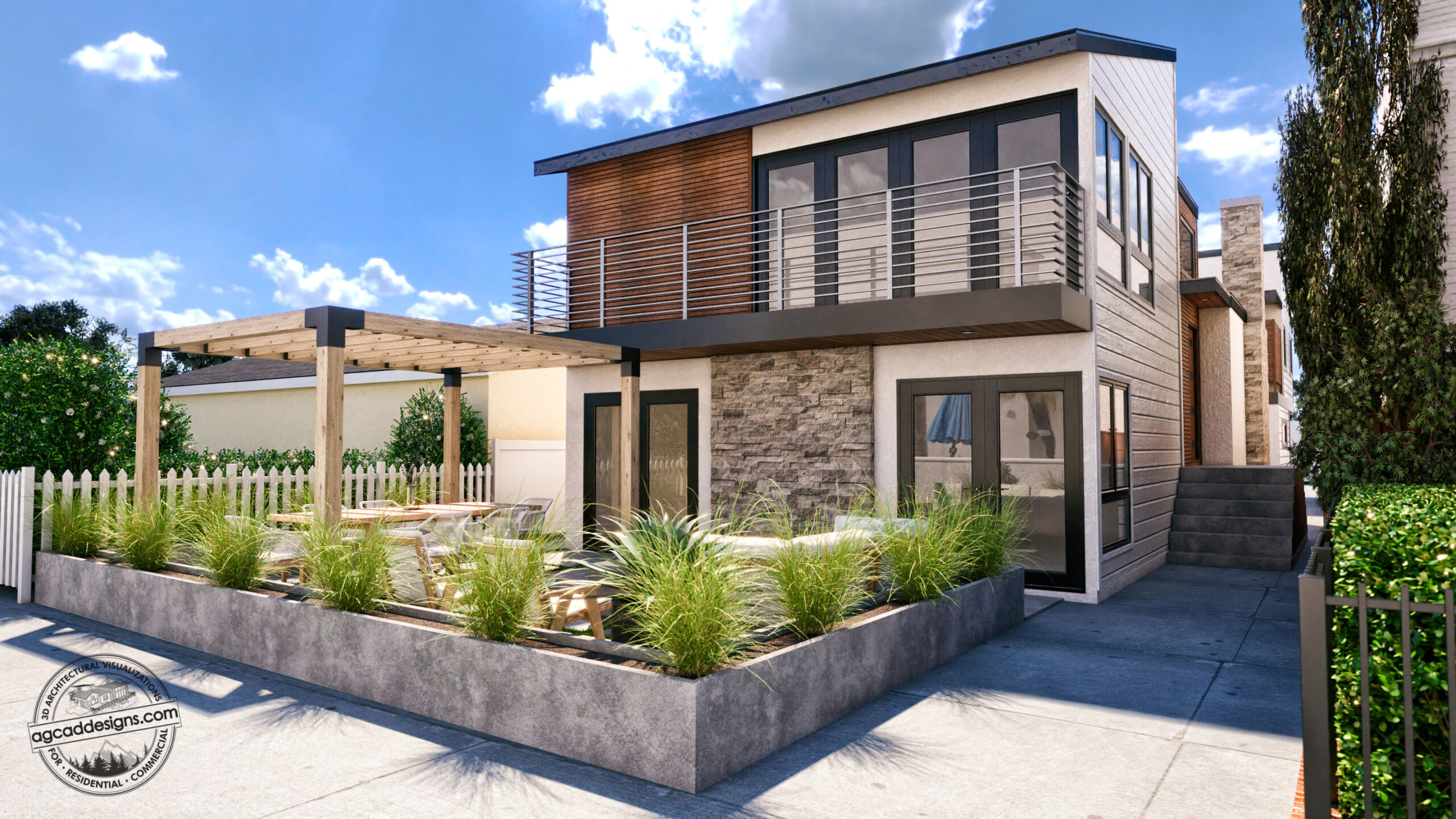
With the growth of sustainable construction practices, rendering services are increasingly incorporating eco-friendly materials and technologies. Innovations such as self-cleaning silicone renders and energy-efficient insulating systems are shaping the industry’s future.
The demand for exterior rendering is also expanding due to urban development and the need for cost-effective, long-lasting building solutions.
Frequently Asked Questions
1. How long does exterior rendering last?
High-quality rendering can last between 20 to 40 years, depending on the material used and maintenance practices.
2. Is exterior rendering suitable for all buildings?
Most buildings can benefit from rendering, but the material choice depends on factors like climate, building age, and architectural style.
3. Does rendering improve energy efficiency?
Yes, certain rendering systems combined with insulation can significantly enhance thermal performance, reducing heating and cooling costs.