Exterior home renderings are transforming the way homeowners, architects, and developers plan and design properties. By creating photorealistic or conceptual digital images of a home’s exterior, rendering provides a clear visual representation before construction or renovation begins. This technology bridges the gap between design concepts and finished projects, ensuring that homeowners can confidently make decisions about colors, materials, and layouts.
As modern software advances, exterior home renderings have become more accurate, accessible, and customizable, making them an essential part of residential design and construction planning.
What Are Exterior Home Renderings?
Exterior home renderings are digital or illustrated representations of how a property’s exterior will look upon completion. Using 3D modeling software, architects and designers can create realistic views that showcase materials, lighting, textures, and landscaping.
Unlike traditional blueprints or sketches, renderings allow clients to visualize every detail. This provides clarity, reduces miscommunication, and enables precise adjustments before construction begins.
Types of Exterior Home Renderings
2D Exterior Renderings
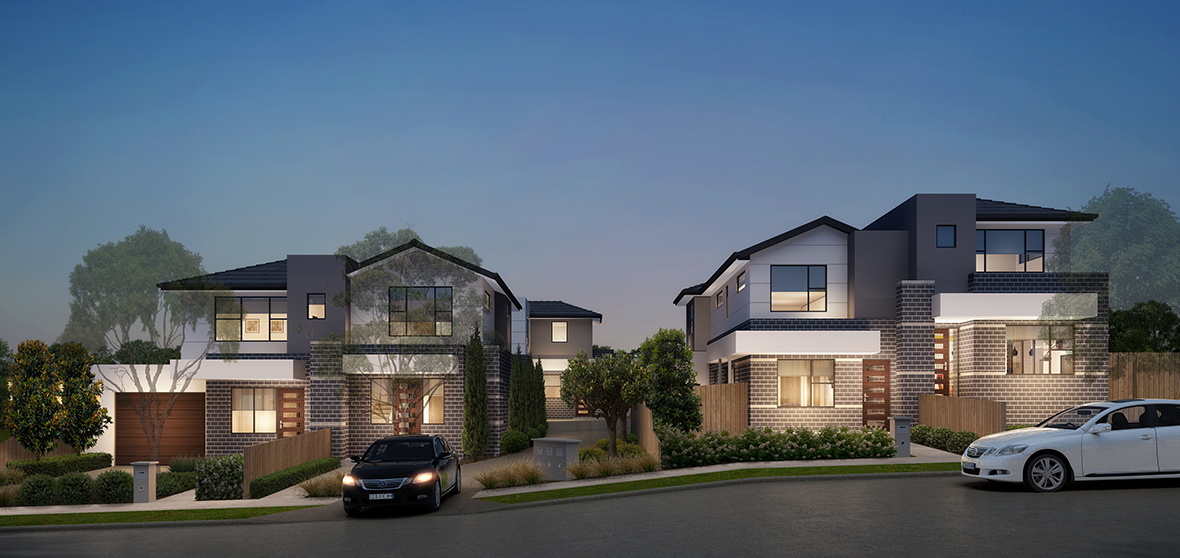
2D renderings offer flat, static images of a home’s exterior. While they are less interactive than 3D renderings, they are useful for showing design layouts, elevations, and simple perspectives.
Homeowners use 2D renderings to understand basic structures, proportions, and material placements. They are also commonly used for quick conceptual presentations.
3D Exterior Renderings
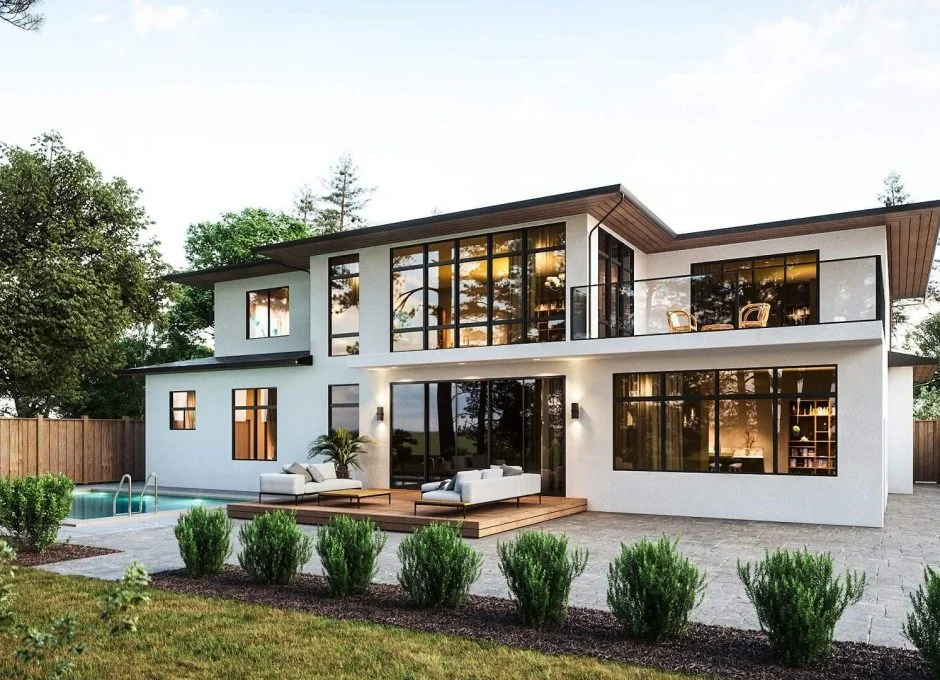
3D renderings provide realistic, dynamic perspectives of a home’s exterior. These visualizations capture details like shadows, reflections, and environmental effects, giving a true-to-life impression of the finished property.
3D renderings are highly popular because they help homeowners visualize every element, from roof tiles to landscaping features, making decision-making far easier and more precise.
Photorealistic Renderings

Photorealistic renderings take 3D designs a step further by mimicking real-world textures, lighting, and materials. They are often indistinguishable from actual photographs.
These renderings are commonly used for high-end projects, marketing campaigns, and detailed client presentations, offering the highest level of accuracy and realism.
Conceptual Renderings
Conceptual renderings focus on artistic or stylized presentations rather than full realism. They are useful during the early stages of design, where architects and homeowners explore multiple styles or themes.
This type of rendering provides flexibility, allowing stakeholders to experiment with creative ideas before finalizing details.
Benefits of Exterior Home Renderings
Exterior home renderings provide numerous advantages for both homeowners and professionals:
- Enhanced Visualization: Helps clients clearly see how their home will look before construction.
- Improved Communication: Reduces misunderstandings between designers, builders, and clients.
- Cost Savings: Identifies design issues early, preventing costly changes during construction.
- Customization: Allows homeowners to test different color schemes, materials, and landscaping options.
- Marketing Tool: Developers and real estate professionals use renderings to attract buyers by showcasing finished designs before completion.
Real-World Examples of Exterior Home Renderings
Modern Family Homes
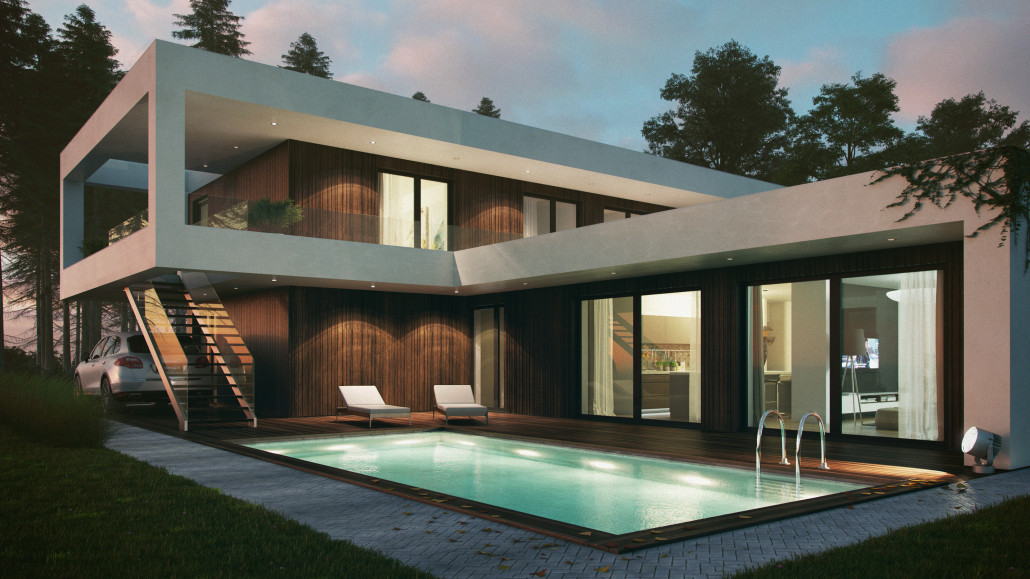
Modern family homes often utilize photorealistic renderings to visualize design choices. For example, a suburban home design with stone cladding and glass paneling can be rendered in different lighting conditions, helping homeowners choose the right balance of textures.
This ensures the final construction aligns with the family’s aesthetic preferences while highlighting energy-efficient design features.
Luxury Villas
Luxury villa projects often depend on high-resolution 3D renderings to display premium finishes such as marble, wood, or metallic facades. A rendering might include surrounding landscaping, pools, and outdoor lighting.
These renderings not only showcase the villa’s elegance but also allow homeowners to preview lifestyle elements, such as outdoor entertainment areas.
Renovation Projects
Exterior renderings are invaluable for renovation projects. For instance, a traditional home undergoing modernization can be rendered with new siding, updated roofing, and fresh landscaping before work begins.
This provides a direct comparison between the current and proposed look, helping clients make informed renovation decisions.
Multi-Unit Residential Developments
Developers of apartment complexes and multi-family units rely heavily on exterior renderings to present entire projects to stakeholders. Renderings might include multiple buildings, green spaces, and communal areas.
By showcasing the project’s scale and aesthetic appeal, developers can secure approvals, attract investors, and market properties before construction finishes.
Practical Use Cases of Exterior Home Renderings
Exterior home renderings address several real-life challenges:
- Decision-Making: Homeowners can test multiple design options without committing to costly changes.
- Project Approval: Builders and developers use renderings to gain approvals from planning authorities.
- Investor Attraction: Real estate professionals use renderings to market unfinished projects, increasing investor confidence.
- Error Prevention: By identifying design flaws early, renderings reduce the risk of costly construction delays.
Role of Technology in Exterior Home Renderings
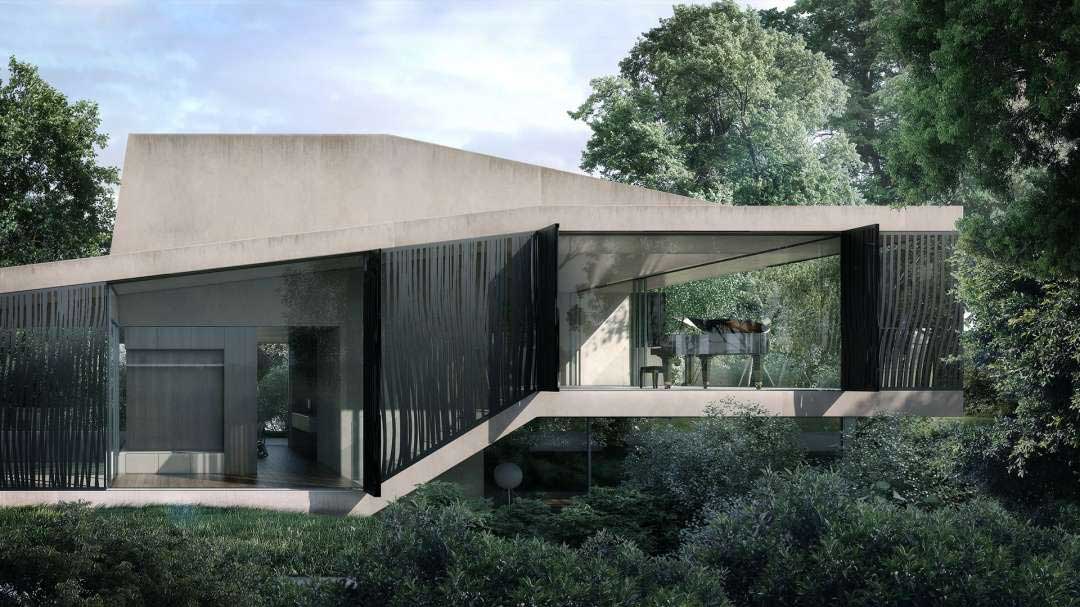
Advancements in software and visualization tools have transformed rendering services. Programs like AutoDesk, SketchUp, and Lumion create highly detailed 3D models, while AI-assisted rendering enhances speed and accuracy.
Virtual reality (VR) and augmented reality (AR) are also being integrated, allowing clients to virtually walk around their homes before they are built. This immersive experience further improves decision-making and ensures satisfaction with the final design.
Future of Exterior Home Renderings
The future of exterior home renderings will see greater integration of AI, real-time rendering, and sustainable design elements. With smart technology, renderings will automatically adjust to show how designs perform under different environmental conditions, such as daylight, seasonal changes, or climate variations.
As rendering tools evolve, they will continue to bridge the gap between imagination and reality, giving homeowners more confidence in their investments.
Frequently Asked Questions
1. How accurate are exterior home renderings?
Exterior home renderings are highly accurate, especially photorealistic versions. They provide realistic depictions of materials, lighting, and landscaping.
2. Can renderings be changed during the design process?
Yes, renderings are highly flexible and can be updated as homeowners or designers make changes to layouts, materials, or colors.
3. Do exterior renderings increase property value?
While the renderings themselves do not directly increase property value, they play a key role in ensuring that design choices enhance the home’s long-term appeal and market value.