Homes are meant to evolve with the people who live in them. Over time, families grow, needs change, and lifestyles shift, making more space or improved functionality essential. Instead of moving to a new property, many homeowners turn to addition remodeling, which involves expanding and upgrading the home’s structure to create more living space, add new features, or improve design efficiency.
From adding an extra bedroom for a growing family to building an entirely new wing for a home office, addition remodeling blends creativity and practicality. Done strategically, it not only meets immediate needs but also boosts property value and enhances curb appeal.
What is Addition Remodeling?
Addition remodeling refers to the process of modifying an existing home by expanding or restructuring its layout. Unlike simple renovations, which focus on updating existing spaces, addition remodeling introduces new square footage or entirely new functional areas.
This could include adding second floors, sunrooms, garages, or even outdoor living spaces. The process requires careful planning to ensure the new addition integrates seamlessly with the original architecture, both aesthetically and structurally.
Why Addition Remodeling is Important for Modern Homes
Meeting Growing Family Needs

One of the most common reasons homeowners invest in additional remodeling is to accommodate a growing family. Children may need their own bedrooms, or aging parents may move in, requiring a guest suite or in-law apartment. Remodeling additions solves these needs without uprooting the household.
Increasing Home Value
A well-designed addition can significantly increase a property’s resale value. Buyers are often attracted to homes with more usable square footage and modern amenities, making addition remodeling both a practical and financial investment.
Benefits of Technology in Addition to Remodeling
Technology has revolutionized the remodeling industry, making it easier for homeowners and professionals to plan, visualize, and execute additions with precision.
-
3D Rendering and Visualization: Homeowners can preview how the addition will look before construction begins, ensuring alignment with expectations.
-
Building Information Modeling (BIM): Architects and contractors can collaborate more effectively using detailed digital blueprints that reduce errors and streamline workflows.
-
Energy Efficiency Simulation: Modern tools allow designers to evaluate how new additions affect energy consumption and daylighting.
-
Smart Home Integration: Many remodels incorporate smart systems such as automated lighting, HVAC controls, and energy-saving appliances, enhancing long-term functionality.
-
Virtual Walkthroughs: Homeowners can virtually “tour” the remodeled spaces, exploring layout options before finalizing decisions.
Real-World Examples of Addition Remodeling
Second-Story Addition for Growing Families
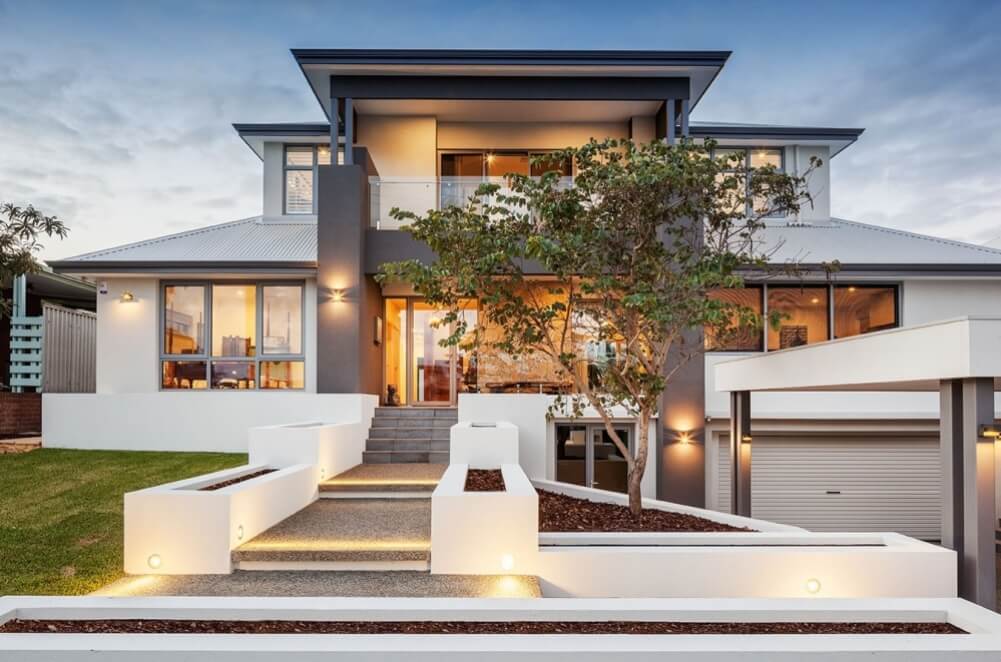
A family living in a single-story home decided to add an entire second floor. The rendering showcased how additional bedrooms, bathrooms, and a play area would fit seamlessly into the new layout. The remodel preserved the home’s original footprint while doubling its usable space.
This project highlights how addition remodeling can solve space limitations without requiring a move to a larger property.
Kitchen Expansion with Sunroom Integration
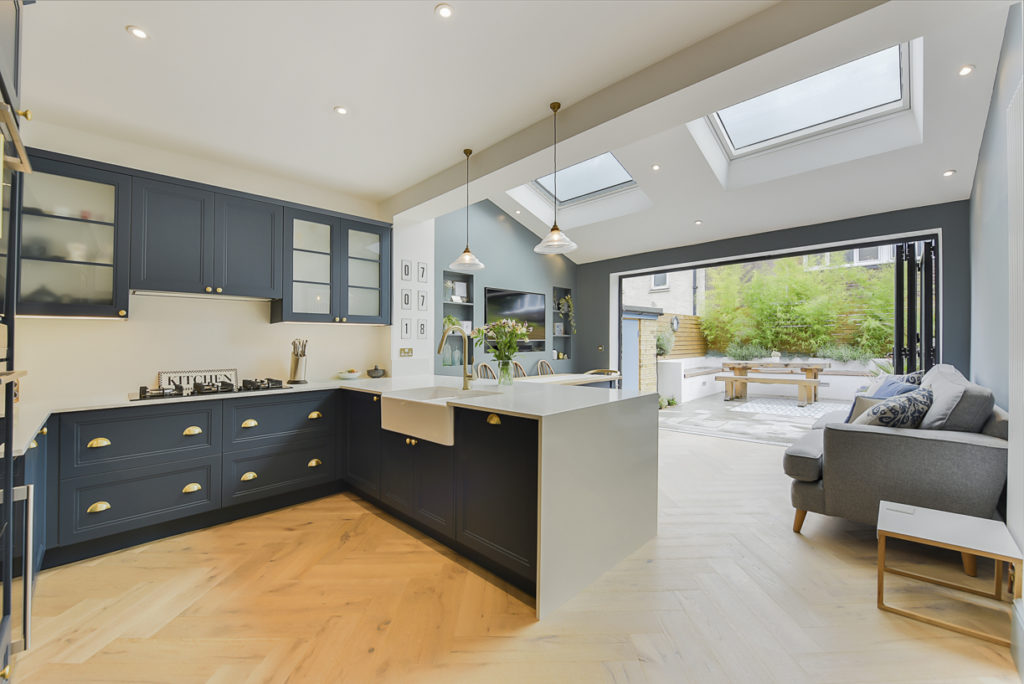
Another popular addition remodel involved expanding a cramped kitchen into a spacious open-plan layout by adding a sunroom extension. The addition introduced natural light and created a seamless transition between indoor and outdoor living.
The remodeled kitchen became the heart of the home, perfect for entertaining and family gatherings, while the sunroom added year-round comfort.
Garage Conversion with Extra Living Space
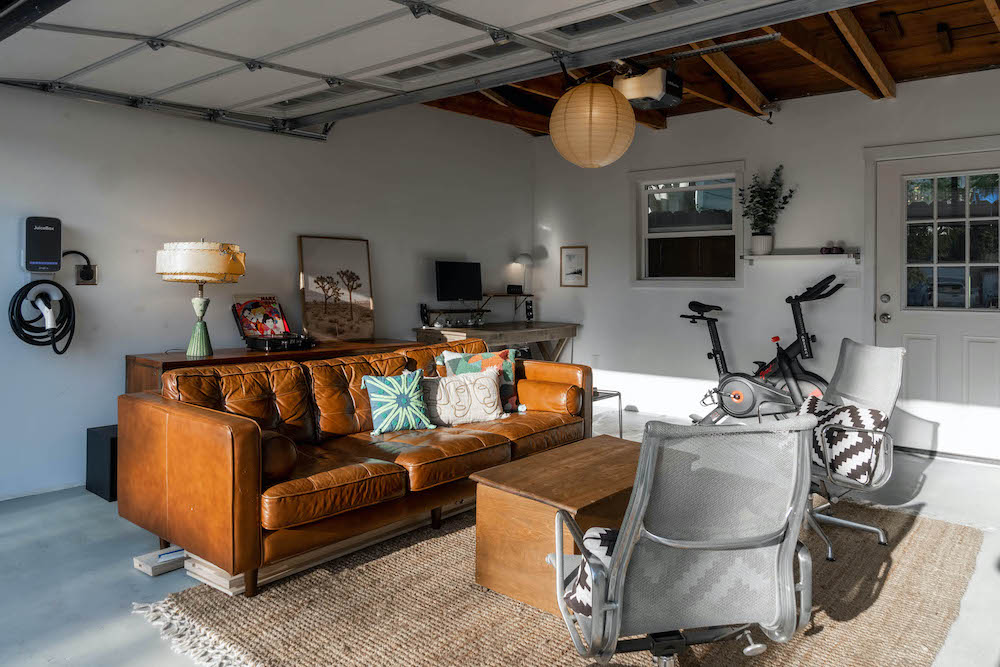
In one case, a homeowner converted their attached garage into a multifunctional living space while adding a new garage adjacent to the structure. The remodeled area became a home office and guest suite, demonstrating the adaptability of addition remodeling to meet diverse needs.
This example shows how unused or underutilized areas can be transformed into functional, value-adding spaces.
Outdoor Living Addition
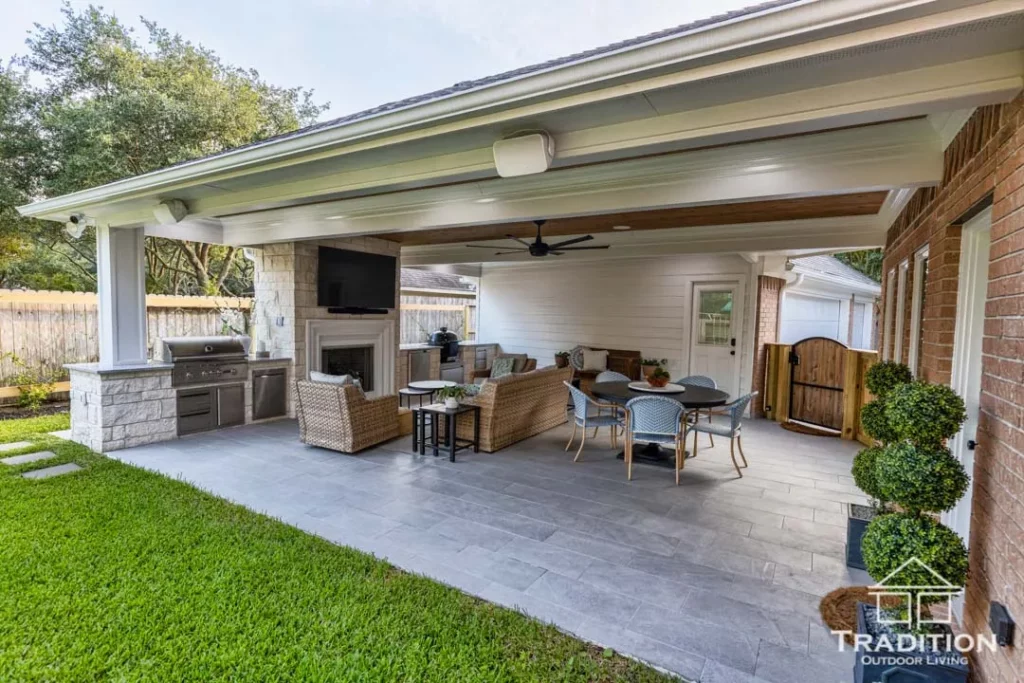
A luxury home incorporated a covered patio and outdoor kitchen as part of an addition remodel. Renderings showed the integration of fire pits, seating areas, and landscaping that enhanced the property’s lifestyle appeal.
The project exemplified how addition remodeling isn’t limited to interiors but also extends to creating functional, stylish outdoor environments.
In-Law Suite for Multi-Generational Living
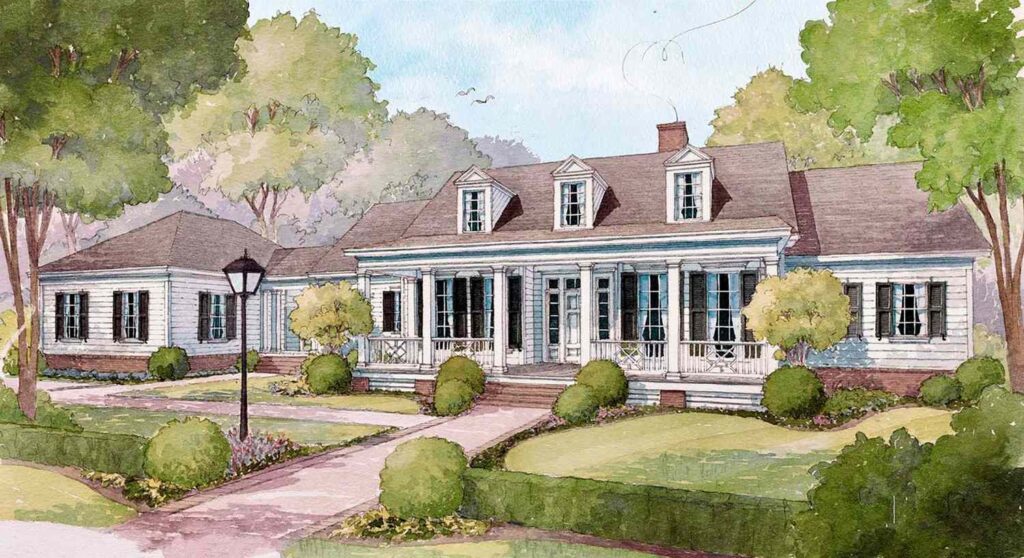
An in-law suite addition was built for aging parents, complete with a private bathroom, kitchenette, and separate entrance. This remodel respected privacy while enabling multi-generational living under one roof.
The project demonstrated how addition remodeling can foster family connections while addressing accessibility and independence needs.
Practical Use Cases of Addition Remodeling
Solving Space Constraints
In addition, remodeling is the most effective solution for homeowners who love their neighborhood but feel restricted by their current square footage.
Adapting to Lifestyle Changes
Whether it’s working from home, homeschooling, or starting a home-based business, new additions create dedicated, functional spaces tailored to lifestyle demands.
Enhancing Home Functionality
Adding bathrooms, enlarging kitchens, or creating mudrooms improves day-to-day convenience while eliminating layout bottlenecks.
Preserving Historic Homes
For older homes, additions provide modern amenities without altering historic character. Exterior renderings ensure the addition complements the existing architecture.
Services Involved in Addition Remodeling
Design Consultation and Planning
Professionals collaborate with homeowners to assess needs, explore design options, and align the remodel with budget and goals.
Architectural and Engineering Support
Structural integrity and seamless design integration are key, requiring expert input to ensure safety and longevity.
Visualization and Rendering
High-quality 3D renderings let homeowners see exactly how the addition will look before construction begins.
Construction and Project Management
Contractors oversee every stage of the remodel, coordinating teams to deliver the project efficiently.
Benefits of Addition Remodeling for Homeowners
Customization and Personalization
Every addition is tailored to the homeowner’s specific needs and style preferences, creating a unique living space.
Cost Savings Compared to Relocation
Remodeling allows homeowners to expand their existing homes without the expenses and stress of moving.
Long-Term Value
Well-executed additions improve property value while making homes more enjoyable to live in.
Lifestyle Upgrades
Additions such as entertainment rooms, sunrooms, or outdoor kitchens enhance daily life and increase comfort.
The Future of Addition Remodeling
The future of remodeling lies in sustainable materials, modular construction methods, and smart home integrations. Energy-efficient designs and eco-friendly materials are becoming standard, while virtual and augmented reality tools will continue to streamline design and planning.
As more homeowners embrace flexible and multifunctional spaces, additional remodeling will remain a key solution for evolving needs.
Frequently Asked Questions
1. What is the difference between remodeling and renovation?
Renovation typically involves updating or refreshing existing spaces, while remodeling, particularly addition remodeling, involves structural changes, expansions, or creating entirely new living areas.
2. How long does an addition remodeling project usually take?
Timelines vary based on project size. Small additions may take a few weeks, while larger projects, such as a second-story addition, could require several months.
3. Does addition remodeling always increase home value?
Most well-planned additions to remodels increase property value, especially when they add functional living space. However, the return on investment depends on design quality, execution, and local market conditions.