The evolution of architectural design has changed dramatically over the years, and one of the most significant advancements is 3D rendering house exterior technology. Unlike traditional sketches or flat blueprints, 3D renderings provide lifelike images that allow homeowners, architects, and developers to visualize how a house will look even before construction begins. From lighting to textures, landscaping to color palettes, exterior 3D renderings make every detail come alive.
This technology is no longer just a luxury; it has become an essential tool for design approval, customization, and communication. Whether used for personal residential projects or large-scale developments, 3D rendering transforms ideas into reality with unmatched accuracy and clarity.
What is a 3D Rendering House Exterior?
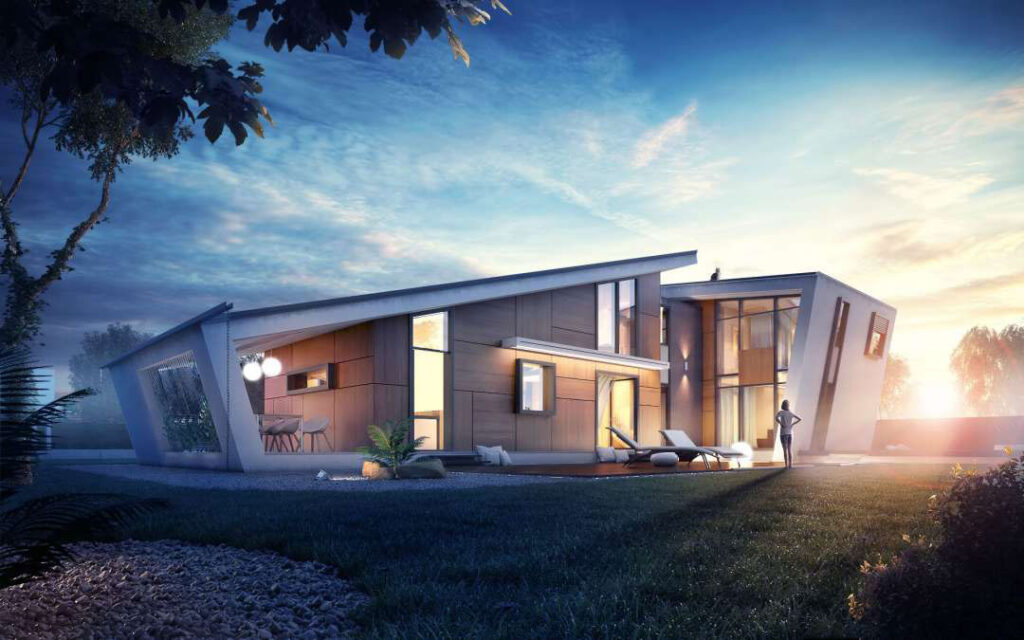
3D rendering house exterior refers to the process of creating a highly realistic digital visualization of a home’s exterior using advanced software. It includes all design components such as walls, windows, doors, roofing, and surrounding landscapes.
Unlike 2D plans, these renderings offer depth, perspective, and lighting effects, showing how the house will look in real-world conditions. This makes it easier for homeowners to make informed decisions and for architects to present their designs in a visually compelling way.
Importance of 3D Rendering in Modern House Design
Improved Visualization for Clients

For many clients, interpreting 2D architectural drawings is challenging. 3D rendering house exterior technology solves this issue by offering a true-to-life view. Homeowners can see how their dream house will look in different finishes, styles, and lighting conditions.
This enhanced visualization ensures that everyone involved shares the same understanding of the project. Miscommunication is minimized, and confidence in the design is strengthened.
Faster and Smarter Decision-Making
When clients can see realistic previews, decisions on colors, materials, and layouts become much easier. Instead of guessing how a brick façade compares to a stone finish, they can visually compare both options. This speeds up the approval process and reduces revisions during construction.
Benefits of 3D Rendering House Exterior
3D rendering house exterior offers practical and technological advantages that benefit all stakeholders.
-
Design Accuracy: Every dimension and proportion is accurately represented, reducing errors.
-
Cost Savings: By identifying potential issues before construction, expensive mistakes can be avoided.
-
Marketing Power: Renderings can be used in brochures and online platforms to showcase future properties.
-
Customization: Multiple variations of finishes, textures, and colors can be explored quickly.
-
Environmental Integration: Renderings demonstrate how the house fits into its surroundings, whether urban or natural.
Real-World Examples of 3D Rendering House Exterior
Modern Family Home
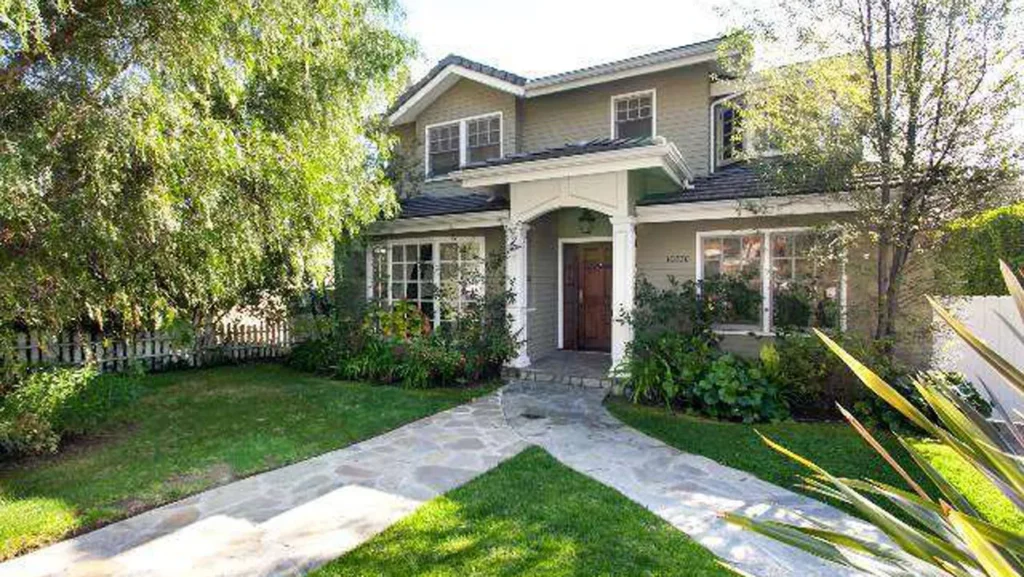
A family planning a contemporary home used exterior 3D rendering to explore different design variations. They viewed multiple roofing options, siding materials, and landscaping ideas before settling on a minimalist, modern look. The renderings helped them achieve a perfect balance between functionality and aesthetics while staying within budget.
The ability to preview natural lighting conditions at different times of the day also allowed them to strategically place windows for maximum energy efficiency.
Luxury Villa Project
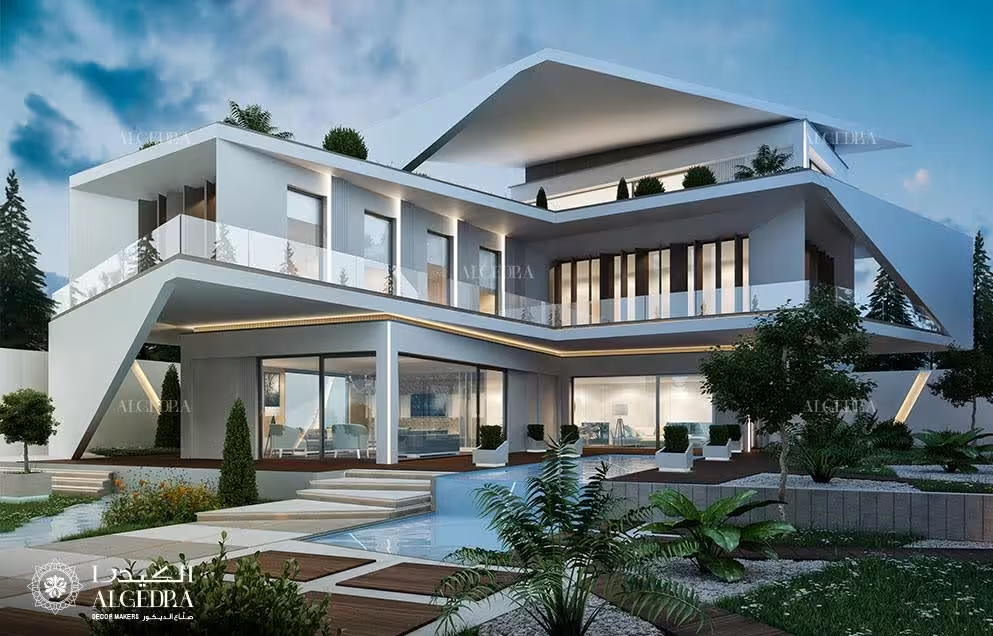
For a high-end villa, developers used 3D rendering to showcase the property to international investors. Detailed visuals of the pool, outdoor living spaces, and expansive terraces gave buyers a clear idea of the villa’s design. These renderings were also repurposed for marketing campaigns, making the project more appealing to clients abroad who could not physically visit the site.
The combination of landscaping details and architectural precision provided a holistic view of the property’s luxury appeal.
Heritage-Style Home Renovation
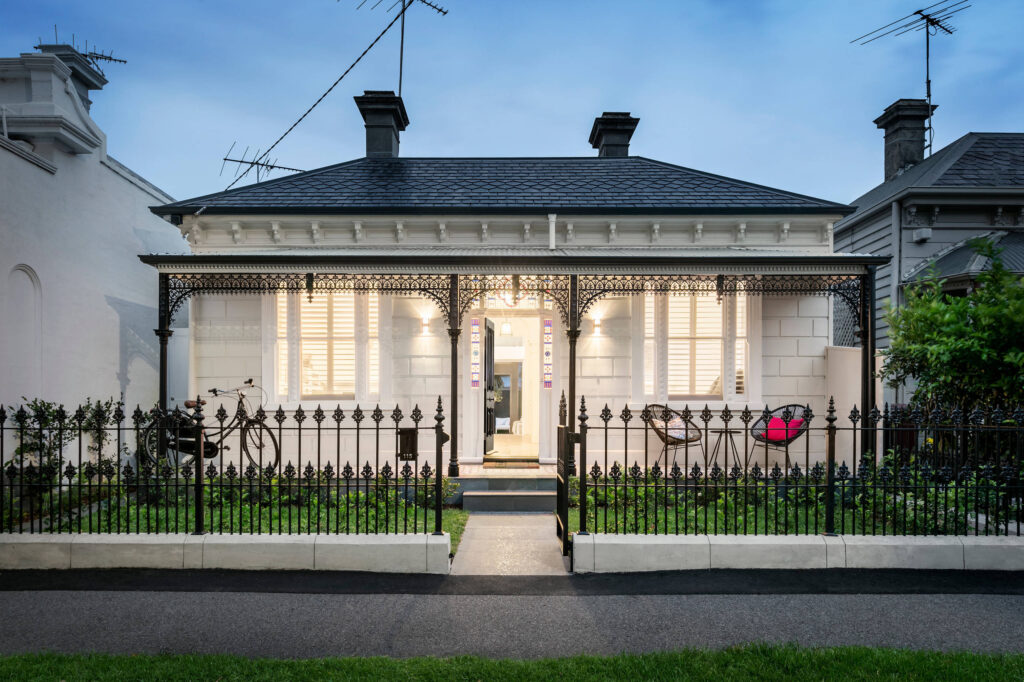
Homeowners renovating a heritage-style property needed to ensure that modern upgrades blended seamlessly with the original architecture. 3D renderings allowed them to preview exterior improvements, such as updated roofing and window styles, while maintaining the traditional charm.
This visualization reassured both the owners and the local heritage board that the design respected historical aesthetics.
Suburban Development Project
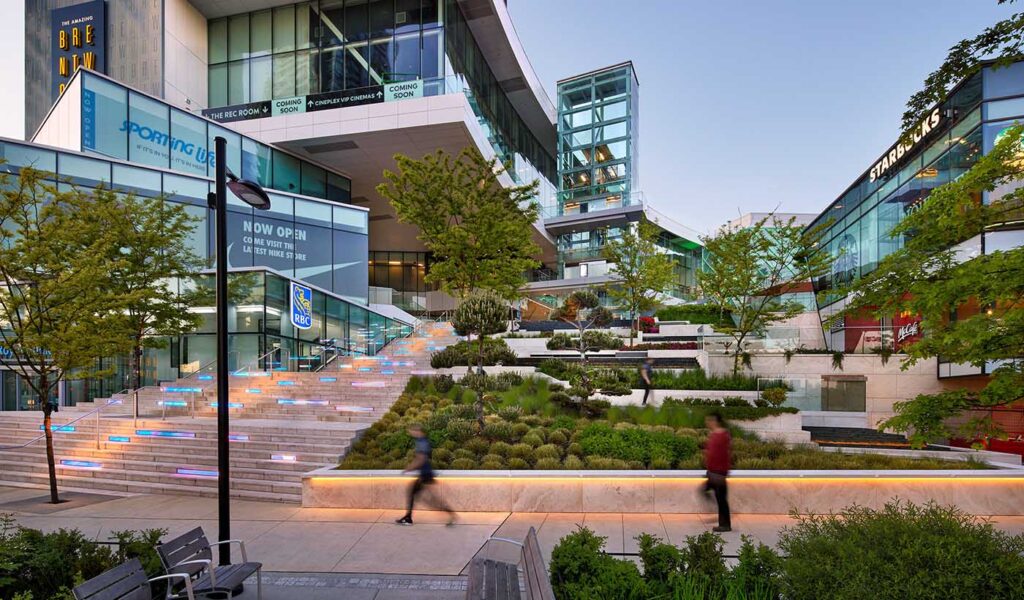
A suburban housing developer created 3D exterior renderings for multiple homes in a new community. These visuals highlighted how each house type looked within the neighborhood, complete with landscaped yards and driveways.
This approach not only helped secure planning approvals but also provided a powerful sales tool, allowing potential buyers to visualize their future homes in a realistic community setting.
Practical Use Cases of 3D Rendering House Exterior
Solving Design Miscommunication
Traditional sketches often fail to communicate the full vision of a project. With 3D rendering, clients and architects can collaborate more effectively, ensuring fewer design changes later on.
Enhancing Real Estate Sales
Pre-construction sales are one of the most common uses of 3D exterior renderings. Buyers can confidently purchase based on lifelike visuals, reducing hesitation and boosting sales.
Facilitating Municipal Approvals
City planning and zoning boards often require visual submissions. 3D renderings provide clear, detailed imagery that simplifies the approval process, demonstrating compliance with local regulations.
Supporting Sustainable Design
Renderings simulate environmental conditions, allowing architects to test how designs interact with natural light, shading, and energy efficiency strategies. This promotes more sustainable design practices.
Technology Behind 3D Rendering House Exterior
Modern 3D rendering relies on powerful software such as V-Ray, Lumion, Blender, and 3ds Max. These programs simulate lighting, textures, and shadows to produce photorealistic visuals.
Emerging technologies such as Virtual Reality (VR) and Augmented Reality (AR) are further enhancing the experience. With VR, clients can virtually walk around the house exterior, while AR overlays the 3D model onto real-world settings for better contextual understanding.
Artificial Intelligence (AI) is also streamlining the rendering process by automating lighting adjustments, material optimization, and even predictive design suggestions.
Future of 3D Rendering House Exterior
The future of 3D rendering will emphasize greater interactivity, sustainability, and realism. Real-time rendering engines will allow instant updates, while cloud-based platforms will improve collaboration across teams.
Sustainability will remain a focus, with renderings showcasing eco-friendly features such as green roofs, solar panels, and energy-efficient designs. The combination of AI, VR, and AR will make exterior renderings even more immersive and accurate, making them an indispensable part of every architectural project.
Frequently Asked Questions
1. How does a 3D rendering house exterior differ from traditional 2D plans?
Unlike flat blueprints, 3D rendering creates realistic images that show depth, lighting, and texture. This gives a far clearer representation of the final home.
2. Can a 3D rendering house exterior help reduce construction costs?
Yes. By identifying design flaws and allowing changes before construction begins, renderings save time and money by preventing costly revisions.
3. Who typically uses 3D rendering house exterior services?
Homeowners, architects, real estate developers, and contractors all rely on these services to improve design accuracy, communication, and marketing.