The way buildings are designed and presented has undergone a dramatic transformation over the last two decades. Exterior 3D rendering services are at the center of this change, enabling architects, developers, and clients to visualize projects with lifelike precision before construction even begins. Unlike traditional 2D drawings or sketches, exterior renderings provide a fully immersive view of a structure in its real-world context, down to the smallest detail, such as lighting, textures, and landscaping.
This advancement has revolutionized industries like real estate, hospitality, and urban development by offering realistic previews of projects, reducing risks, and improving collaboration. With exterior 3D rendering services, ideas are no longer limited to imagination; they are visualized clearly, effectively bridging the gap between concept and reality.
What Are Exterior 3D Rendering Services?
Exterior 3D rendering services use advanced computer software to create photorealistic images or animations of a building’s external structure. These renderings showcase every aspect of the design, including walls, windows, roofs, doors, and even how natural light interacts with the building at different times of the day.
These services go beyond technical blueprints. They are designed to help stakeholders—whether homeowners, investors, or city planners—see a realistic preview of how a finished building will look in its environment. This makes decision-making more efficient and helps eliminate uncertainties often associated with large-scale design projects.
Why Exterior 3D Rendering Services Are Essential
Superior Visualization
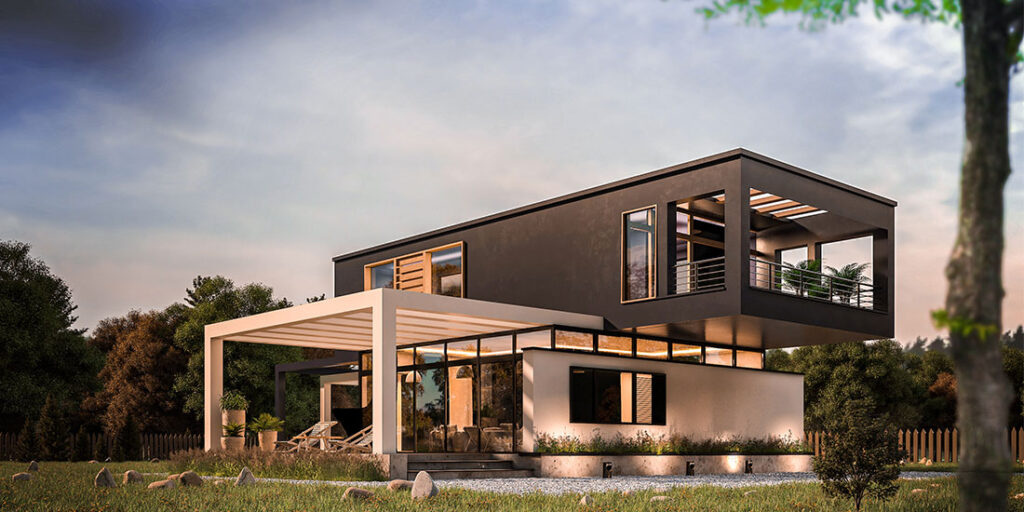
The main reason professionals turn to exterior 3D rendering services is the ability to communicate design concepts effectively. Clients who struggle to interpret technical drawings can immediately understand a project through vivid, realistic imagery. This ensures expectations align between designers and clients from the very beginning.
Boosting Collaboration and Communication
Exterior renderings allow architects, engineers, contractors, and clients to review the same detailed visuals. With this unified perspective, collaboration becomes smoother. Adjustments can be suggested and applied early in the process, preventing misunderstandings and ensuring all stakeholders are on the same page.
Cost and Error Reduction
Errors during construction are both expensive and time-consuming to fix. By identifying issues through renderings before a project breaks ground, architects and developers can avoid mistakes. This not only saves costs but also accelerates the building timeline by minimizing unforeseen obstacles.
Key Benefits of Exterior 3D Rendering Services
Exterior 3D rendering services offer a wide range of practical benefits that make them indispensable in today’s design and construction ecosystem.
-
Marketing Appeal: Developers use renderings in promotional campaigns, brochures, and websites to attract buyers and investors.
-
Design Flexibility: Clients can visualize multiple variations of colors, textures, or styles before finalizing a decision.
-
Approval Processes: Planning boards and municipal authorities often require visuals, and 3D renderings simplify approval.
-
Sustainability Planning: By simulating real-world conditions, renderings can demonstrate how eco-friendly materials and energy-efficient solutions will appear.
-
Time Savings: Quick digital iterations allow adjustments in hours, not weeks, making the design phase more efficient.
Real-World Examples of Exterior 3D Rendering Services
Residential Homes
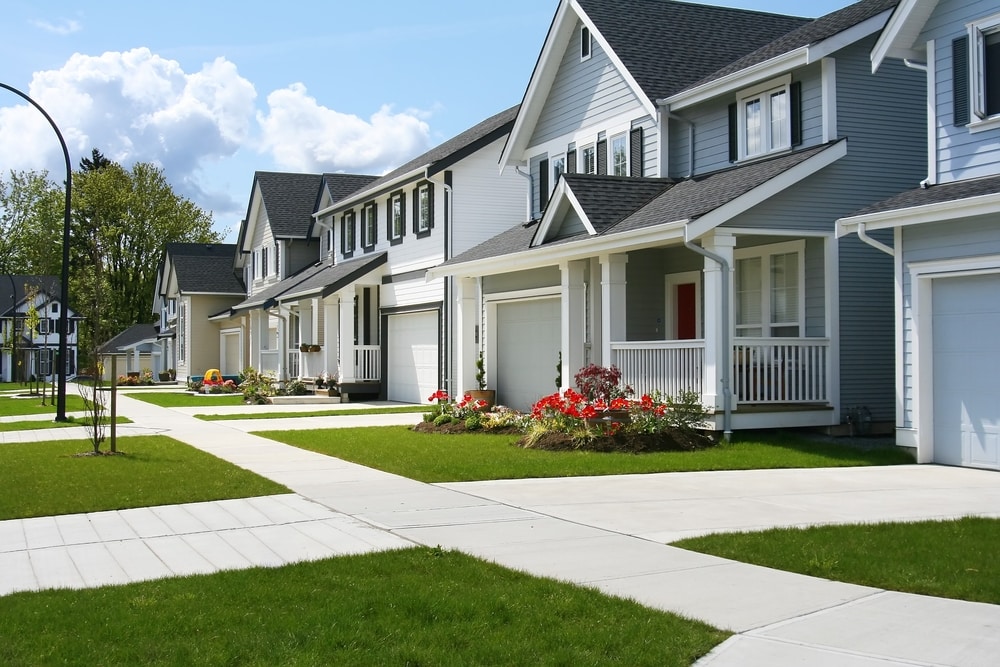
A family building their dream home benefits greatly from exterior 3D rendering services. Instead of relying on flat drawings, they can see how different roof styles, siding options, and landscaping layouts look in real time. This not only brings confidence but also allows them to make informed choices about customization.
For instance, a rendering might show how a two-story home appears with modern stone cladding compared to traditional brick. This helps homeowners decide which material better suits their vision and the surrounding neighborhood.
Luxury Villas
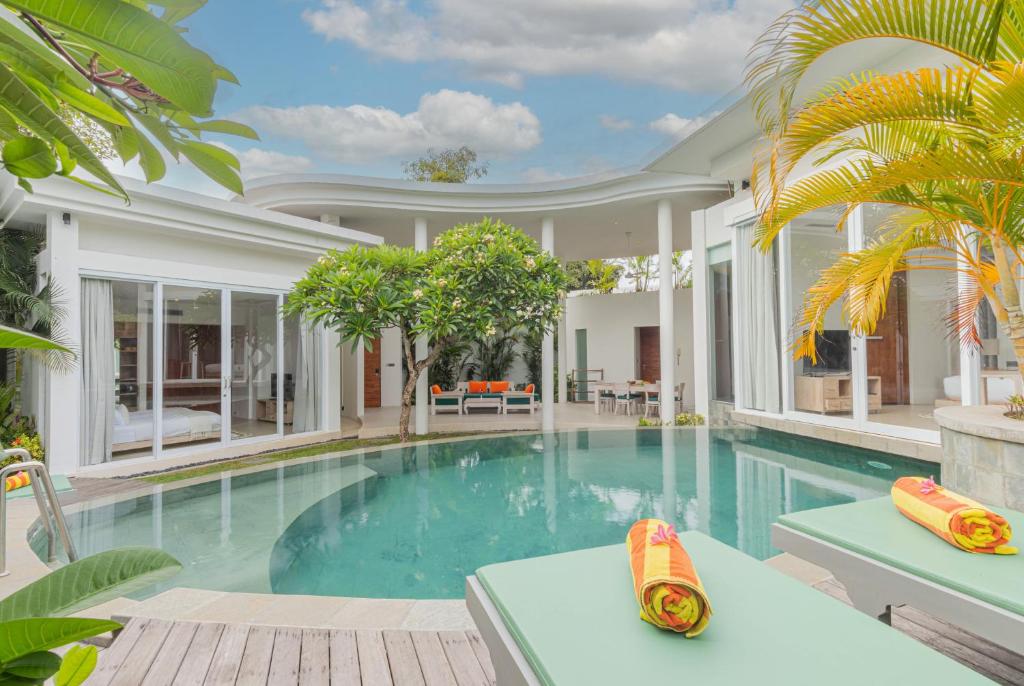
High-end villa projects require careful attention to detail and aesthetic harmony. Renderings showcase features like infinity pools, expansive terraces, and dramatic facades with realistic lighting and shadows. These visuals are especially important for marketing to international buyers who may never visit the property before making a purchase decision.
Developers can also present multiple design schemes, such as contemporary glass villas versus Mediterranean-inspired layouts, helping clients choose the style that best fits their preferences.
Commercial Complexes
Commercial projects like shopping centers, office towers, or business parks are large-scale and complex. Exterior 3D renderings demonstrate how these structures integrate with their environment, including nearby roads, landscaping, and urban infrastructure.
For investors, these visuals provide clarity about scale, accessibility, and architectural appeal. City planners ensure that the project complements existing urban layouts and meets zoning requirements.
Hospitality Projects
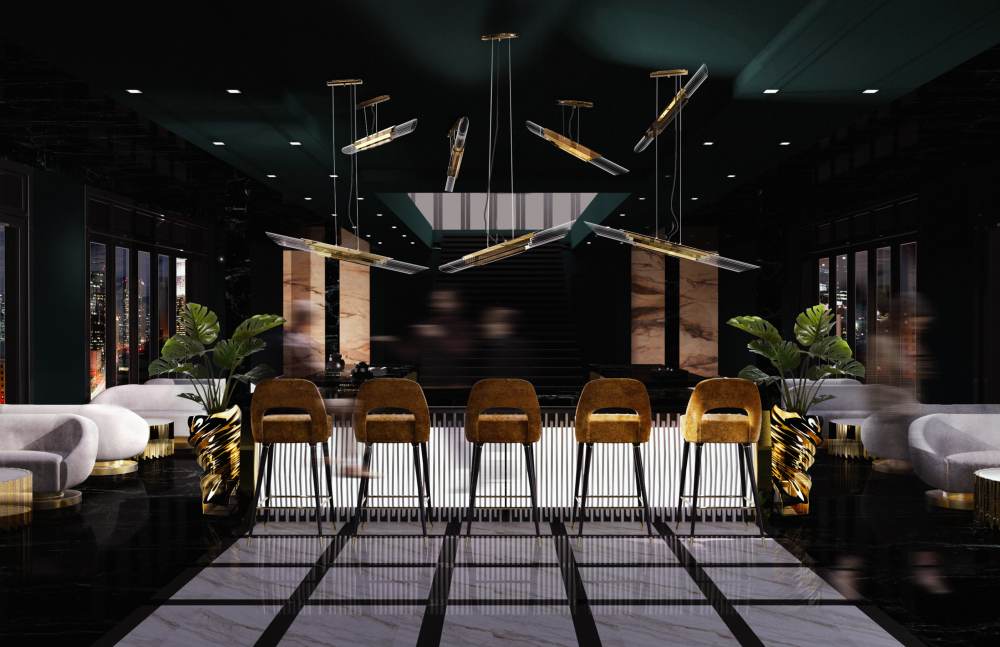
Hotels and resorts frequently use exterior 3D rendering services to preview architectural concepts. A beachfront resort, for example, can showcase its outdoor pool areas, landscaped gardens, and beachfront facades in high resolution. This not only aids in design approval but also serves as marketing material to attract pre-bookings before the project is completed.
Heritage Preservation Projects
When restoring or modernizing historic buildings, renderings provide a careful balance between old and new. Designers can visualize how renovations blend with existing architectural features, ensuring cultural integrity is maintained. These renderings also make it easier to secure approval from heritage boards and local authorities.
How Exterior 3D Rendering Services Solve Real-World Problems
Real Estate Sales

One of the biggest challenges for real estate developers is selling properties before construction is completed. Exterior renderings act as a powerful sales tool, offering lifelike previews that help buyers envision themselves in the property. This accelerates sales cycles and boosts buyer confidence.
Urban Development
City planners face the challenge of ensuring that new projects complement existing infrastructure. Renderings show how a project will look in its actual environment, reducing the risk of design conflicts and improving community acceptance.
Client Understanding
Technical drawings often confuse clients. Exterior 3D rendering services bridge this gap by translating complex concepts into easy-to-understand visuals. This transparency leads to better communication and faster approvals.
Iterative Design
Architects often experiment with multiple materials, facades, or layouts. Renderings allow them to test and present these iterations without creating costly physical models, enabling efficient design exploration.
Risk Mitigation
By revealing design flaws before construction starts, exterior 3D rendering services help prevent expensive mistakes. Issues with scale, proportion, or lighting can be addressed digitally, ensuring smoother construction phases.
The Role of Technology in Exterior 3D Rendering Services
The success of these services relies heavily on cutting-edge technology. Software like 3ds Max, Lumion, V-Ray, and SketchUp enable architects to create hyper-realistic imagery with intricate detail. Modern tools simulate real-world conditions, including sunlight angles, seasonal changes, and environmental shadows.
The integration of Virtual Reality (VR) and Augmented Reality (AR) takes these services a step further, offering immersive walk-through experiences. Clients can virtually “stand” outside a project and view it from every angle. Artificial Intelligence (AI) is also improving rendering workflows by automating texture refinements and optimizing lighting, saving time and enhancing accuracy.
The Future of Exterior 3D Rendering Services
Looking ahead, the industry will see even greater advancements. AI-driven tools will reduce rendering time, while VR and AR will become standard for client presentations. Sustainability will also take center stage, with renderings emphasizing green roofs, solar panels, and other eco-friendly design features.
As urbanization accelerates and design expectations rise, exterior 3D rendering services will remain critical for turning concepts into reality with precision and appeal.
Frequently Asked Questions
1. How do exterior 3D rendering services differ from interior rendering?
Exterior renderings focus on the external structure of a building, including facades, landscaping, and environmental context. Interior renderings, on the other hand, showcase internal spaces like rooms, furniture, and lighting.
2. Can exterior 3D rendering services speed up construction projects?
Yes. By resolving design issues early, renderings minimize delays and prevent costly mid-project changes, allowing construction to proceed smoothly.
3. Who benefits the most from exterior 3D rendering services?
Architects, real estate developers, construction companies, hospitality brands, and city planners all benefit significantly, as renderings improve visualization, communication, and decision-making.