Architecture and design have undergone a massive transformation over the past two decades, and one of the most powerful innovations driving this change is 3D exterior visualization. Unlike traditional sketches or 2D blueprints, 3D exterior brings concepts to life with stunningly realistic detail, helping architects, developers, and clients visualize how a building will appear in its actual environment.
From residential homes to commercial skyscrapers, 3D exterior technology has become a central tool in planning, marketing, and decision-making. It not only improves accuracy but also enhances creativity, offering opportunities to experiment with designs before a single brick is laid.
What is 3D Exterior?
At its core, 3D exterior refers to the use of digital rendering software to create photorealistic or stylized visuals of a building’s outside appearance. These visuals often include landscaping, lighting, textures, and environmental features to present a complete and immersive view of the final project.
The technology is widely adopted in industries like real estate, architecture, urban planning, and construction. By producing detailed previews, 3D exterior empowers stakeholders to identify potential design issues, optimize materials, and achieve better communication across all project levels.
Key Features of 3D Exterior
Realistic Visualization
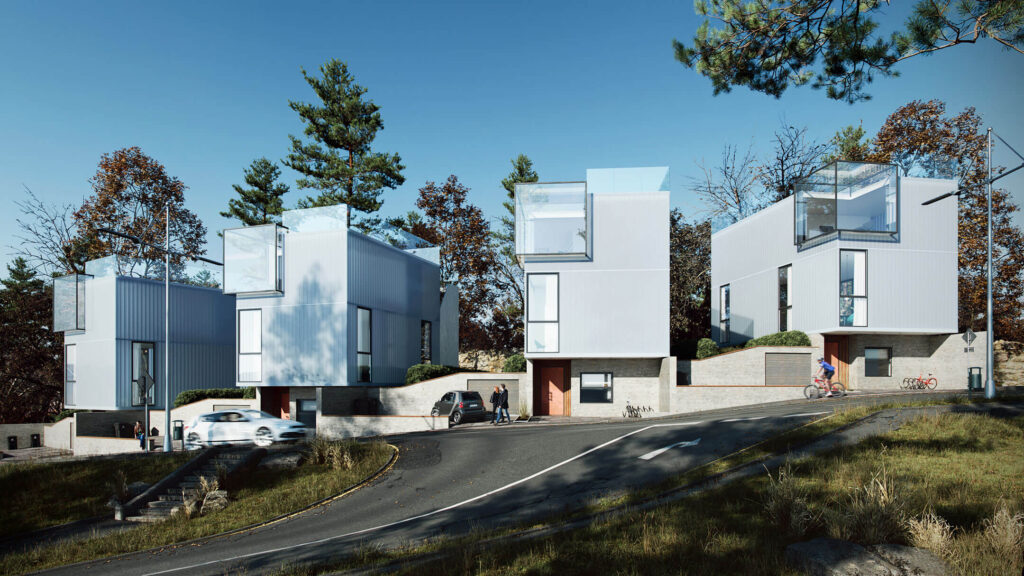
One of the most striking features of 3D exterior is its ability to achieve lifelike accuracy. Renderings replicate materials such as stone, wood, glass, and metal with incredible precision, while simulating lighting conditions like sunrise, sunset, or evening illumination.
This realism gives clients and developers confidence that the finished structure will meet expectations and allows them to make well-informed choices about design elements.
Design Flexibility and Customization
With 3D exterior tools, architects can easily adjust layouts, materials, or landscaping without starting from scratch. This flexibility is invaluable for clients who want to compare different design options or explore how various styles, from modern minimalism to classical architecture, would look in practice.
Such adaptability reduces design cycles and enhances collaboration, saving both time and cost while delivering creative freedom.
Integration with Advanced Technologies
Today’s 3D exterior rendering goes beyond static images. It integrates with VR (Virtual Reality), AR (Augmented Reality), and BIM (Building Information Modeling) platforms, enabling interactive experiences. Clients can take immersive virtual tours of a proposed building or see how a structure would appear on an actual plot of land through AR.
This integration bridges the gap between imagination and reality, creating an unparalleled design and presentation process.
Benefits of Using 3D Exterior Technology
3D exterior design provides numerous practical and strategic benefits:
-
Enhanced Client Communication: Visuals make complex architectural ideas easier to understand.
-
Faster Approvals: Clear and realistic presentations speed up decision-making.
-
Error Prevention: Identifying potential design flaws early avoids costly construction mistakes.
-
Marketing Power: Developers and real estate firms use renderings to attract investors and buyers before construction begins.
-
Personalization: Every design can be tailored to match unique client preferences and needs.
Real-World Examples of 3D Exterior Applications
Modern Residential Homes
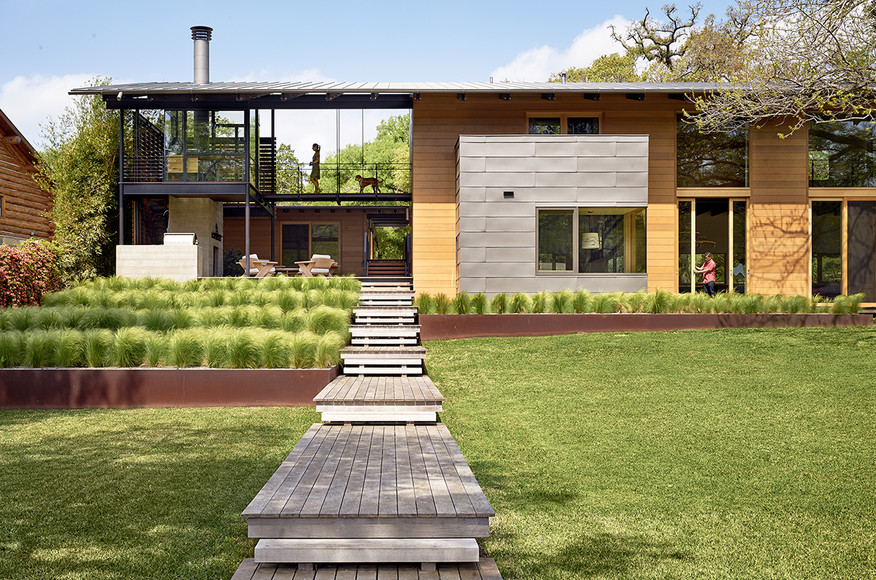
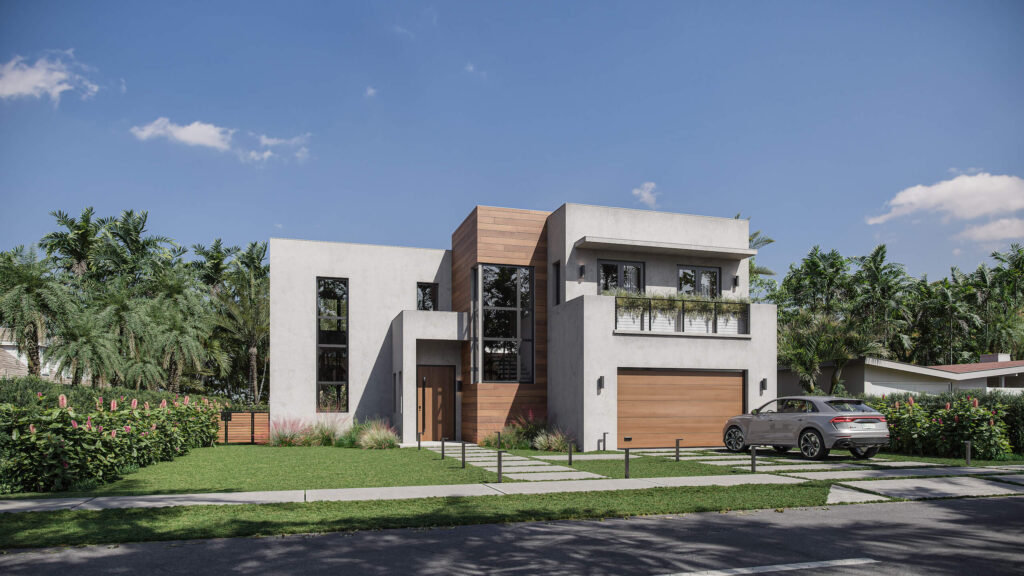
In residential projects, 3D exterior helps homeowners visualize their dream houses before construction. Renderings show details such as roof materials, exterior finishes, and landscaping elements like driveways and gardens.
For example, a suburban family home design may highlight how natural stone siding, modern windows, and greenery integrate seamlessly to create curb appeal. Clients gain confidence knowing exactly what to expect.
Luxury Villas
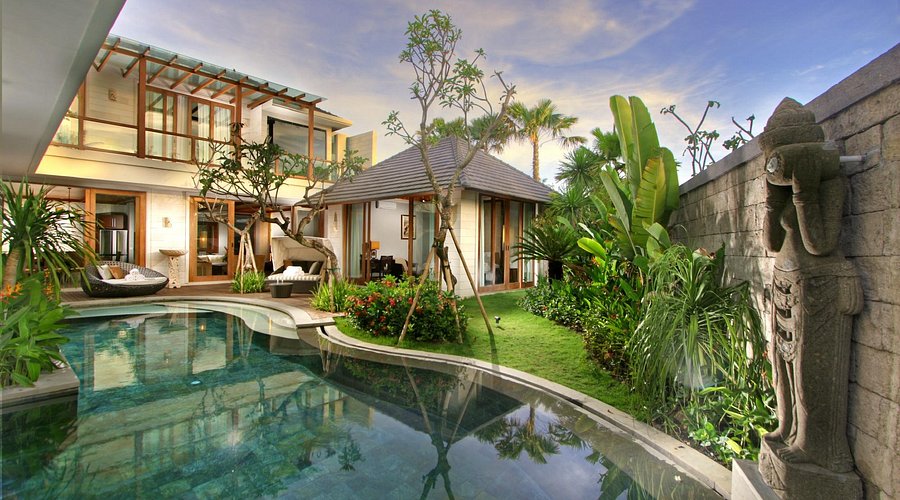
Luxury villas often feature bold architecture, expansive glass facades, and unique outdoor features like swimming pools or terraces. 3D exterior rendering captures these elements with breathtaking realism.
Such renderings not only serve as a design tool but also as powerful marketing visuals, showcasing high-end projects to prospective buyers or investors in visually compelling ways.
Commercial Buildings
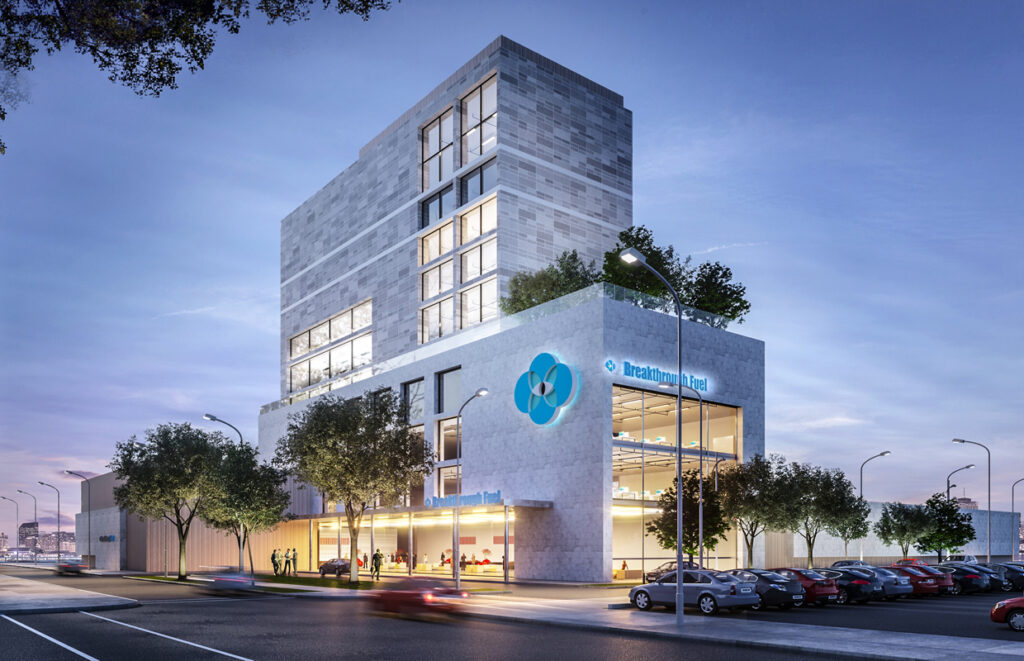
Office complexes, shopping malls, and business centers benefit greatly from 3D exterior. Renderings highlight structural scale, integration with urban landscapes, and facade design under varying lighting conditions.
For developers, these renderings are vital in securing approvals from investors and city planners, as they provide a tangible vision of large-scale projects before a single foundation is laid.
Hospitality Projects
Hotels and resorts rely heavily on exterior visuals to attract guests and investors. 3D exterior renderings display landscaped grounds, pool areas, and unique architectural highlights like beachfront facades.
These images are often used in brochures, promotional videos, and websites, enabling businesses to market properties before opening their doors.
Heritage Restorations
In projects involving historic preservation, 3D exterior renders demonstrate how new updates will blend with existing architectural heritage. Renderings show the balance between modernization and preservation, helping architects gain approvals from heritage boards while reassuring stakeholders of the building’s authenticity.
Practical Use Cases of 3D Exterior
-
Urban Planning: Governments and city planners visualize neighborhoods and infrastructure projects before development.
-
Real Estate Marketing: Renderings are used in advertisements to sell properties pre-construction.
-
Client Presentations: Complex architectural concepts are made simple with immersive visuals.
-
Design Testing: Various materials and style options can be tested digitally before construction starts.
-
Problem Solving: Early visualization helps detect structural or aesthetic issues in the design stage.
Role of Technology in 3D Exterior Rendering
The advancements in rendering technology are driving the rapid adoption of 3D exterior. Software like 3ds Max, Lumion, SketchUp, and V-Ray make it possible to create detailed, high-resolution images.
Integration with AI (Artificial Intelligence) is streamlining workflows, reducing rendering time, and automating tasks such as lighting and material optimization. Additionally, VR and AR allow stakeholders to interact with projects in immersive environments, setting new standards for architectural presentations.
The Future of 3D Exterior
The future of 3D exterior rendering lies in greater interactivity, sustainability, and predictive modeling. AI-driven rendering will enable instant modifications, while eco-friendly simulations will help architects design energy-efficient buildings.
As smart cities and sustainable design continue to grow in importance, 3D exterior rendering will serve as a cornerstone in balancing creativity, functionality, and environmental responsibility.
Frequently Asked Questions
1. How does 3D exterior differ from 2D architectural drawings?
While 2D drawings provide technical information, 3D exterior drawings create lifelike visuals that allow clients and stakeholders to see exactly how a finished structure will appear in its environment.
2. Can 3D exterior rendering help save costs in construction projects?
Yes, by identifying potential flaws and enabling accurate material visualization, 3D exterior reduces the risk of costly mistakes during the construction phase.
3. What industries benefit the most from 3D exterior visualization?
Industries such as real estate, architecture, construction, hospitality, and urban planning benefit greatly as the technology improves design accuracy, communication, and marketing effectiveness.