The roofing industry is highly competitive, and success often comes down to one critical factor—consistent, high-quality leads. Without a steady flow of roofing leads, even the most skilled contractors struggle to maintain growth. That’s why mastering effective lead generation strategies is crucial.
This article provides an in-depth look at proven ways to get roofing leads, covering traditional approaches, modern digital strategies, real-world examples, and the role of technology in transforming customer acquisition for roofing businesses.
Why Roofing Leads Are Critical for Business Success
Every roofing project begins with a lead. Whether it comes from a homeowner searching online, a referral from a past client, or a local networking event, the lead serves as the first step toward building trust and winning a contract. Roofing leads not only increase revenue opportunities but also strengthen brand visibility in a crowded marketplace.
Unlike one-time sales industries, roofing contractors rely heavily on building a pipeline of future projects. With weather conditions, insurance claims, and seasonal demand influencing the market, generating roofing leads ensures stability during slow periods.
Digital Marketing Strategies for Roofing Leads
Search Engine Optimization (SEO)
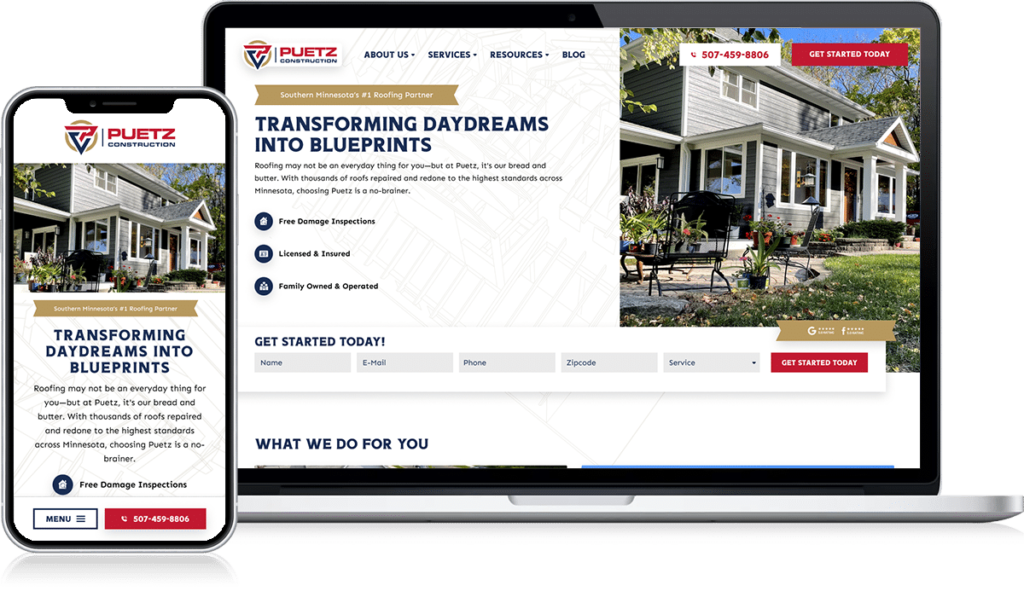
SEO remains one of the most reliable long-term strategies for roofing lead generation. By optimizing a roofing company’s website with targeted keywords such as “roof replacement near me” or “emergency roof repair,” businesses can appear in local search results when potential customers are actively seeking help.
Content marketing also plays a vital role in SEO. Blogging about roof maintenance tips, shingle comparisons, or storm damage repair not only attracts organic traffic but also establishes credibility with homeowners. With Google rewarding websites that deliver useful, well-structured content, roofing businesses that invest in SEO can build authority and capture leads consistently.
Pay-Per-Click Advertising (PPC)
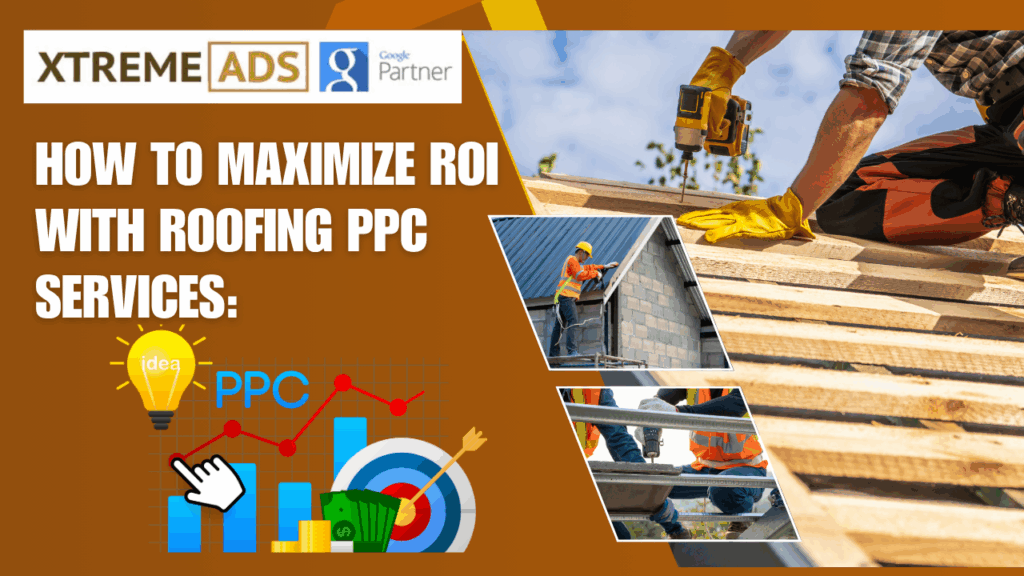
While SEO is a long-term investment, PPC offers immediate visibility. Platforms like Google Ads and Bing Ads allow roofers to appear at the very top of search results for highly competitive keywords. For instance, when a homeowner searches “roof repair after hailstorm,” a roofing company with a targeted PPC campaign can capture that urgent need instantly.
The key is to design compelling ad copy and optimize landing pages that encourage quick conversions. PPC can be costly if not managed well, but when executed strategically, it delivers fast and qualified roofing leads.
Leveraging Social Media for Roofing Leads
Facebook and Instagram Advertising

Social media platforms like Facebook and Instagram offer visual storytelling opportunities for roofers. Sharing before-and-after project photos, testimonials, and time-lapse videos not only builds brand credibility but also generates trust. Homeowners are more likely to engage with businesses that showcase real results.
Paid social ads further extend reach by targeting specific demographics—such as homeowners in a certain zip code. This ensures that ads reach the most relevant audience, increasing the chances of converting viewers into roofing leads.
LinkedIn for Commercial Roofing Leads

For roofers specializing in commercial projects, LinkedIn provides an effective channel for connecting with property managers, real estate developers, and construction firms. By publishing thought-leadership posts about roofing innovations or energy-efficient roofing materials, companies can attract business decision-makers.
Engaging in LinkedIn groups related to property management also strengthens networking opportunities, making it easier to secure high-value commercial roofing leads.
Referrals and Word-of-Mouth Marketing
One of the oldest yet most effective ways to get roofing leads is through referrals. Satisfied homeowners often share their experiences with friends, family, and neighbors. Implementing a referral program—such as offering discounts or rewards for recommendations—can amplify this effect.
Trust plays a significant role here. When potential clients hear positive stories directly from people they know, they are more likely to choose that roofing contractor over competitors. In fact, many roofing businesses thrive almost entirely on word-of-mouth marketing, especially in smaller communities.
Networking and Local Partnerships
Networking with local businesses can also lead to a steady stream of roofing leads. Partnering with real estate agents, insurance adjusters, and home improvement stores provides access to customers who already need roofing services.
For example, real estate agents often require roofing inspections before closing deals, while insurance adjusters regularly assess storm damage. By building partnerships, roofing companies position themselves as trusted go-to service providers.
Using Technology to Generate Roofing Leads
Customer Relationship Management (CRM) Software

CRM platforms like HubSpot, JobNimbus, and Salesforce help roofing businesses organize, track, and nurture leads. By centralizing customer data, CRMs allow companies to follow up on inquiries quickly, schedule appointments, and send automated reminders.
This technology ensures no potential lead slips through the cracks, making operations more efficient and customer-focused.
Roofing Lead Generation Platforms
Specialized platforms like Angi, HomeAdvisor, and Thumbtack connect roofing companies with homeowners searching for contractors. While these services charge fees, they provide immediate access to active prospects.
However, not all leads from these platforms are exclusive, so businesses must differentiate themselves with strong follow-up and excellent customer service. When used strategically, these platforms can provide a reliable pipeline of roofing leads.
Real-World Examples of Roofing Lead Generation
Example 1: JobNimbus CRM
JobNimbus has become a favorite among roofing contractors due to its ease of use and integration with project management tools. Contractors can track incoming roofing leads, assign tasks, and automate workflows. By centralizing communication, roofing companies reduce delays and improve customer satisfaction.
This directly translates into better lead nurturing, ensuring that prospects don’t lose interest while waiting for responses.
Example 2: HomeAdvisor Roofing Leads
HomeAdvisor provides roofing contractors with access to a wide network of homeowners searching for immediate services. Roofers can receive leads in real time, allowing them to contact potential clients before competitors.
The platform’s review system also helps establish credibility, as satisfied clients leave testimonials visible to prospects. This creates a cycle of trust and new lead generation.
Example 3: Facebook Ads for Roofers
A mid-sized roofing company in Texas used Facebook Ads to showcase storm damage repairs. By targeting neighborhoods recently hit by hailstorms, the company received over 200 qualified leads in a single month.
This case highlights how combining local targeting with compelling visuals creates urgency, helping homeowners take quick action.
Benefits of Implementing Roofing Lead Generation Strategies
Effective lead generation strategies do more than just fill the sales pipeline—they improve long-term business growth. By investing in digital marketing, networking, and technology, roofing contractors can:
-
Maintain a steady flow of projects during seasonal slowdowns.
-
Build stronger brand recognition and community trust.
-
Save time through automation and organized CRM systems.
-
Target specific demographics for higher conversion rates.
-
Scale operations without losing quality service.
These advantages not only ensure survival in a competitive industry but also pave the way for expansion into new markets.
Use Cases: Real-Life Problems Roofing Leads Solve
Seasonal Downtime
Roofing businesses often experience slow seasons when weather conditions reduce demand. By implementing lead generation strategies like SEO and referral programs, contractors can secure future projects in advance, ensuring cash flow even during off-peak months.
Emergency Storm Repairs
After severe storms, homeowners urgently need roofing services. Companies using PPC or social media targeting can quickly capture these urgent requests, helping families secure their homes while generating profitable contracts.
Expanding into Commercial Markets
Roofers seeking to move beyond residential projects can use LinkedIn and local partnerships to build connections with property managers. This expands opportunities into large-scale, high-value commercial contracts.
Frequently Asked Questions
1. What is the most cost-effective way to get roofing leads?
The most cost-effective strategy is SEO, as it provides long-term visibility without continuous ad spend. However, it requires consistent effort in content creation and optimization to see results.
2. Are roofing lead generation platforms worth it?
Yes, but with caution. Platforms like HomeAdvisor or Angi can provide immediate leads, but they are often shared among multiple contractors. To maximize results, roofing companies must follow up quickly and differentiate themselves with excellent service.
3. How can a small roofing company compete with larger contractors in lead generation?
Smaller roofing companies can focus on hyper-local SEO, building strong referral programs, and personalizing customer experiences. By highlighting community presence and quick response times, they can compete effectively against larger firms.