Qualified roofing leads are prospects that have been filtered to ensure they meet specific conditions making them more likely to become paying customers. Unlike cold leads, which may include random inquiries with little intent, qualified leads typically come from individuals or businesses with an immediate roofing need, budget, and willingness to engage a contractor.
These leads can originate from homeowners dealing with roof leaks, commercial property managers planning renovations, or even insurance-related claims after storms. The main factor that sets them apart is intent—they are not just curious; they are actively looking for a solution. For contractors, qualified leads mean higher conversion rates, more efficient sales cycles, and reduced wasted effort on uninterested prospects.
Why Qualified Roofing Leads Are Essential for Contractors
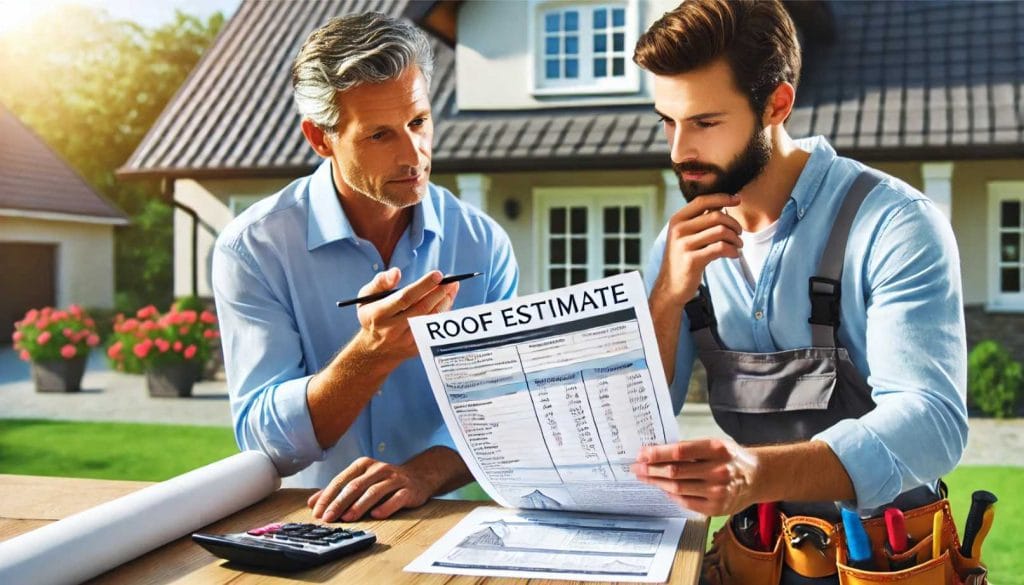
In the roofing industry, every lead requires attention, but not all prospects contribute to business growth. Pursuing unqualified leads often wastes time and money. By contrast, focusing on qualified roofing leads ensures contractors can prioritize real opportunities with genuine potential.
A major benefit of qualified leads is predictability. Since these leads are more likely to convert, contractors can better forecast their project pipeline and financial outlook. This allows for better planning of labor, materials, and scheduling. Over time, consistent access to qualified roofing leads strengthens reputation, builds trust with clients, and generates positive referrals that bring in additional business.
The Role of Technology in Acquiring Qualified Roofing Leads
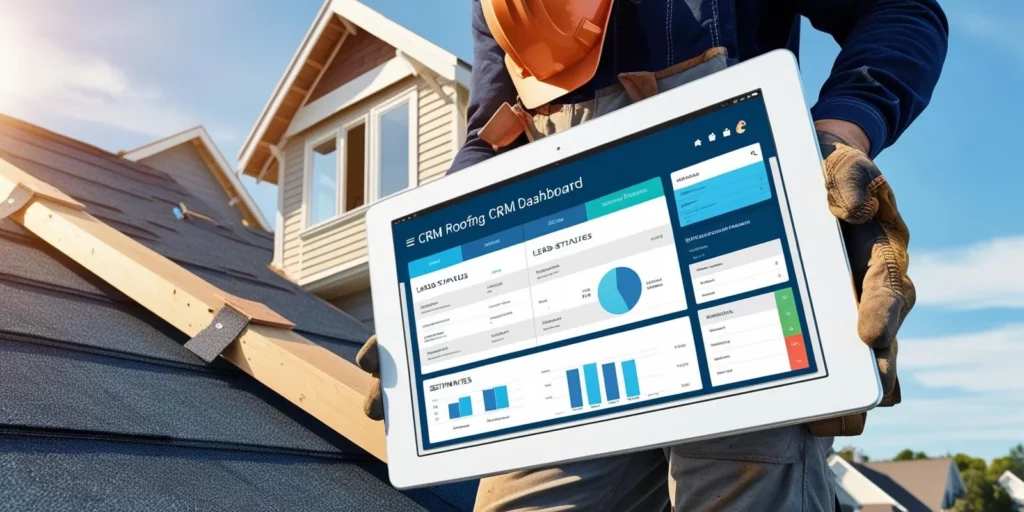
Technology has revolutionized how roofing companies find, assess, and manage qualified leads. One of the most impactful tools is Customer Relationship Management (CRM) software, which enables contractors to organize, track, and nurture potential clients. CRMs often include automated lead scoring features, ranking prospects based on urgency, budget, and project scope.
Digital advertising platforms such as Google Ads and Facebook Ads allow hyper-local targeting. Contractors can reach homeowners searching for roofing services in specific neighborhoods, ensuring leads are more relevant. Additionally, advanced technologies like satellite imaging and drone inspections improve the accuracy of online estimates, turning casual inquiries into qualified prospects. With quicker, more precise quotes, contractors can build trust early and move leads further down the sales funnel.
Real-World Examples of Qualified Roofing Leads
Example 1: Storm-Damaged Residential Roofing Leads
One of the most common sources of qualified roofing leads comes after severe weather. Homeowners experiencing hail, wind, or tree damage often seek immediate repair. These leads are highly qualified because the need is urgent and often backed by insurance. Contractors who act quickly in such scenarios typically secure fast approvals and project commitments.
Example 2: Commercial Roofing Maintenance Requests
Commercial property managers often request quotes for routine inspections, preventative maintenance, or roof replacement projects. These leads are qualified because they come from decision-makers with budgets already in place. For contractors, this not only provides revenue from the initial job but also opens doors for long-term service contracts, which can ensure recurring business year after year.
Example 3: Energy-Efficient Roofing Projects
In recent years, homeowners have become more interested in sustainability and energy efficiency. Leads generated from those seeking solar-ready roofing systems, reflective shingles, or other eco-friendly upgrades are typically more serious and better funded. Contractors benefit from these leads because the customers are motivated by both energy savings and long-term value, often leading to higher-budget projects.
Example 4: Insurance-Backed Roofing Leads
Insurance claim-related leads are another valuable category. When a homeowner files a claim after storm damage, funding is often secured, making the lead more qualified than a standard inquiry. Contractors who understand how to navigate insurance paperwork can quickly close these deals, resulting in faster project approvals and consistent cash flow.
Example 5: Real Estate Pre-Sale Roofing Inspections
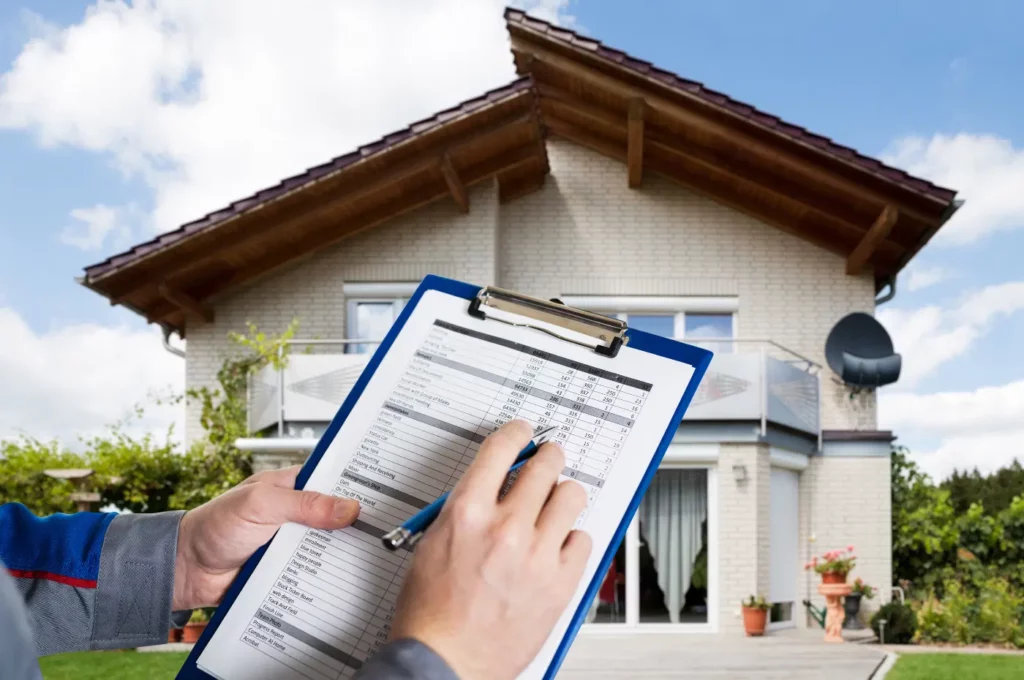
Another overlooked but highly qualified lead source is the real estate market. Sellers and buyers often need roofing inspections or repairs to finalize sales. These leads are time-sensitive and funded, making them particularly valuable. Contractors who work with real estate professionals can establish a reliable referral network that consistently delivers qualified roofing leads.
Benefits of Focusing on Qualified Roofing Leads
The advantages of working with qualified roofing leads go beyond just revenue. One of the biggest benefits is efficiency. By filtering out unqualified prospects, roofing companies can dedicate time and energy to leads most likely to convert. This reduces wasted effort on cold inquiries and increases overall productivity.
Another benefit is improved customer relationships. Qualified leads expect timely communication and professional service. By concentrating on this group, contractors can provide detailed consultations, accurate estimates, and prompt follow-ups. This level of service often results in long-term loyalty, referrals, and repeat business.
Additionally, qualified leads allow roofing companies to scale more effectively. With a consistent flow of relevant prospects, contractors can plan for staffing, order supplies with confidence, and grow into new service areas without unpredictable gaps in demand.
Practical Use Cases for Qualified Roofing Leads

Use Case 1: Boosting Conversion Rates
A contractor struggling with low sales conversions may refocus efforts on acquiring qualified leads. Instead of chasing hundreds of cold calls, the contractor leverages digital ads to attract homeowners actively searching for roof repairs. Within weeks, the conversion rate improves significantly because the inquiries come from motivated prospects.
Use Case 2: Reducing Marketing Waste
Roofing companies often overspend on broad marketing campaigns. By shifting to qualified lead generation, contractors can target specific demographics, neighborhoods, or damage-related inquiries. This precision eliminates wasted ad spend and improves return on investment.
Use Case 3: Expanding Commercial Services
A contractor wanting to diversify into commercial projects can target property managers directly. These leads are qualified because the projects involve large budgets and decision-makers. Over time, the contractor secures recurring contracts for inspections and repairs, creating a steady revenue stream.
Use Case 4: Entering New Geographic Markets
When contractors expand into new neighborhoods, qualified roofing leads help establish a presence. By focusing on prospects actively seeking services in that area, contractors build trust quickly, which accelerates growth and strengthens their local reputation.
Use Case 5: Building Long-Term Business Stability
Qualified leads support long-term stability by creating a steady pipeline of jobs. Instead of fluctuating between busy and slow seasons, contractors with reliable lead sources can maintain consistent operations, keeping crews busy year-round.
Frequently Asked Questions
1. What makes a roofing lead “qualified”?
A roofing lead is considered qualified when the prospect has a genuine need, an available budget, and a clear intent to hire a contractor. These leads often come from homeowners or businesses seeking immediate or planned roofing work.
2. How can technology improve roofing lead qualification?
Technology such as CRM platforms, targeted ads, and satellite imagery improves lead qualification by tracking prospect behavior, filtering based on intent, and delivering accurate project estimates. These tools help contractors focus only on high-value prospects.
3. Are qualified roofing leads only valuable for residential contractors?
Not at all. Both residential and commercial contractors benefit from qualified leads. Homeowners often require urgent roof repairs or upgrades, while commercial property managers look for large-scale projects and maintenance contracts, making both markets valuable.