Commercial buildings have complex roofing systems designed to cover large areas and withstand heavy use, but even the strongest roofs require repairs over time. Commercial building roof repair involves addressing leaks, storm damage, wear and tear, or structural issues to ensure the integrity and performance of the building’s envelope.
Unlike residential roofing, commercial roofs often use flat or low-slope designs with materials such as TPO, EPDM, PVC, metal, or built-up roofing. Repairs on these systems require specialized knowledge and equipment. A well-planned roof repair not only extends the roof’s lifespan but also protects businesses from costly operational interruptions caused by water infiltration or structural failures.
Common Causes of Commercial Roof Damage
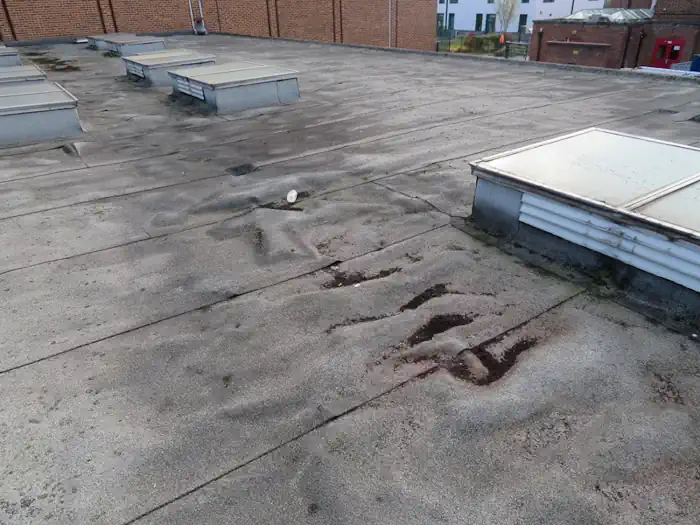
Several factors contribute to the need for commercial building roof repairs. Weather remains one of the most common causes of strong winds, hail, and heavy rains can lead to punctures, seam failures, or membrane tears. Over time, exposure to UV rays causes roofing materials to degrade, leading to cracks or brittleness.
Poor drainage is another frequent issue. Flat roofs are prone to water pooling, which accelerates material deterioration and increases the risk of leaks. Additionally, foot traffic from maintenance crews or improperly installed HVAC equipment can cause punctures. Finally, neglecting regular inspections and preventive maintenance often leads to small issues developing into major problems requiring urgent repair.
Importance of Professional Commercial Roof Repair

Professional roof repair ensures that problems are diagnosed accurately and addressed with the right techniques. Commercial building roof repair is not a one-size-fits-all process—solutions depend on the type of roofing material, extent of damage, and building use. For example, repairing an EPDM membrane requires different tools and adhesives compared to fixing a metal roof panel.
Choosing professional repair also ensures compliance with building codes and warranty requirements. Many commercial roofing systems are covered by manufacturer warranties that require licensed contractors to perform repairs. Attempting DIY or hiring inexperienced contractors risks voiding warranties and can result in improper fixes that cost more in the long term.
The Role of Technology in Commercial Roof Repair
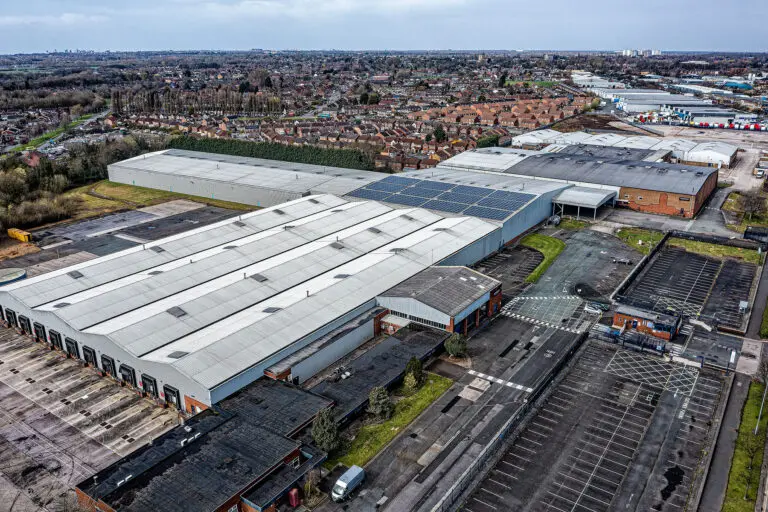
Technology has dramatically improved the way commercial building roof repairs are performed. Drones equipped with high-resolution cameras now allow roofers to conduct detailed inspections safely, quickly identifying punctures, seam failures, or storm damage without extensive manual climbing.
Thermal imaging cameras detect moisture trapped beneath roofing membranes, revealing hidden leaks before they become severe. Software-driven roof management platforms help contractors and building owners track repairs, maintenance schedules, and long-term costs. These technologies save time, reduce errors, and provide detailed documentation that supports insurance claims and repair planning.
Real-World Examples of Commercial Building Roof Repair
Flat Roof Membrane Repair
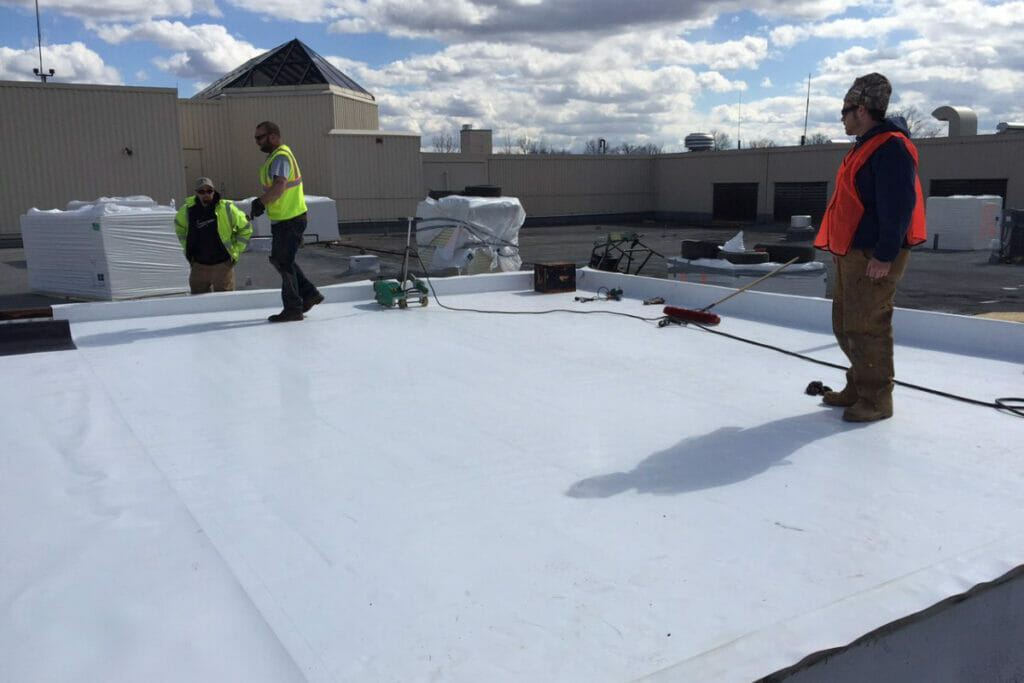
Flat roofs with membranes such as TPO or PVC are common in commercial buildings. A typical repair might involve sealing punctures or heat-welding seams that have loosened. These repairs restore waterproofing and extend the membrane’s life without requiring a full replacement.
Membrane repairs are particularly important in climates with high UV exposure, where materials degrade faster. Contractors often recommend adding reflective coatings to repaired sections to improve durability and energy efficiency.
Metal Roof Panel Replacement
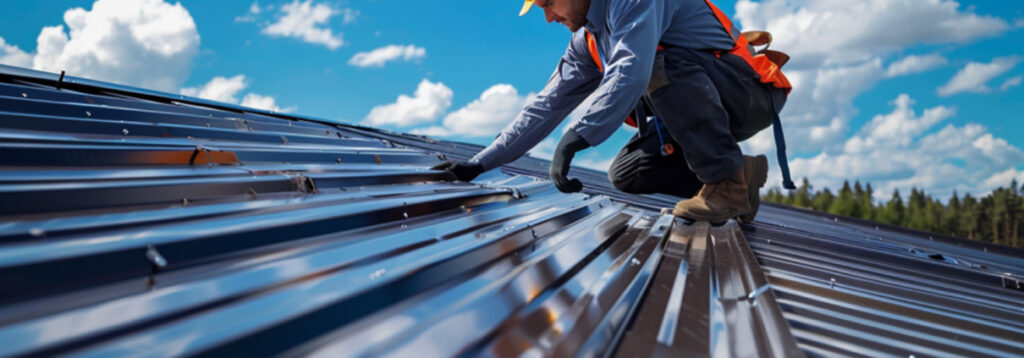
Metal roofing is valued for durability, but panels can corrode or loosen over time. Repairs often involve replacing damaged panels, resealing seams, and applying protective coatings. In many cases, contractors install retrofit systems that strengthen existing roofs without removing the entire structure.
Metal roof repairs are cost-effective for warehouses, factories, and distribution centers, as they minimize downtime while maintaining structural integrity. Coating technologies can also add years of service life by preventing further corrosion.
Built-Up Roofing (BUR) Patch Repairs
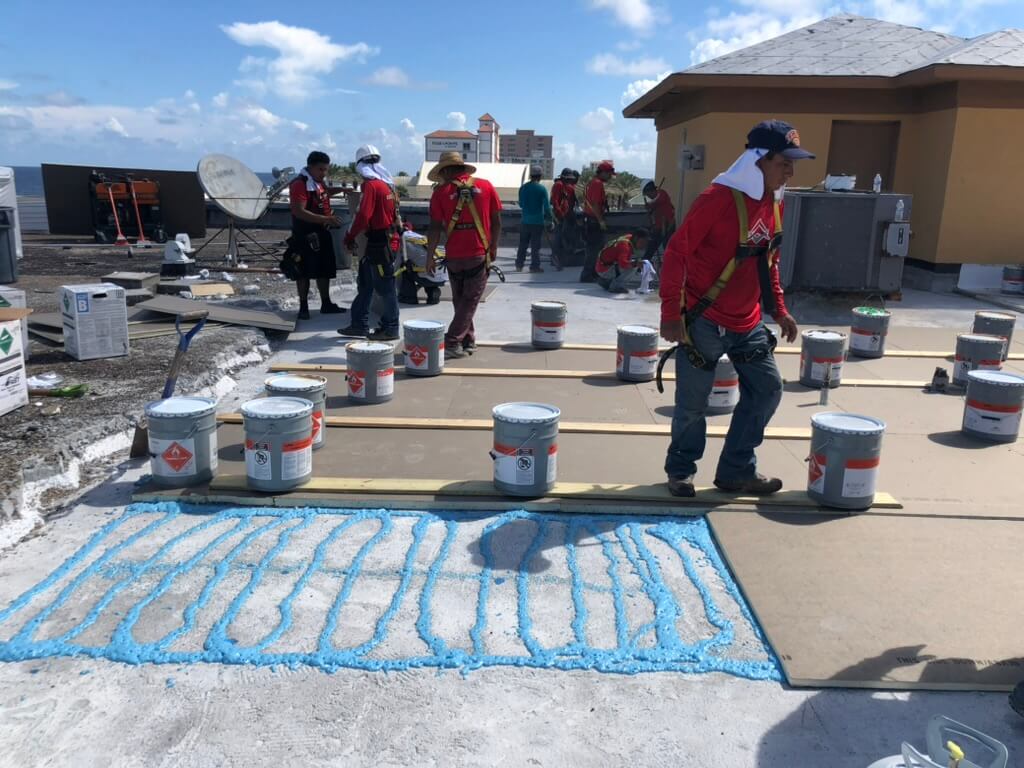
Built-up roofing, made from multiple layers of asphalt and felt, is still used on many older commercial buildings. Repairs usually involve patching cracks, sealing blisters, and applying additional layers of protective material.
Although BUR systems are durable, they require regular inspections. Repairs on these roofs highlight the importance of professional expertise, as improper patching can trap moisture and worsen problems.
Skylight and Roof Penetration Repairs
Commercial roofs often have skylights, HVAC systems, or vents that penetrate the roofing surface. These areas are vulnerable to leaks due to flashing failures. Repairs involve resealing penetrations, replacing flashing, or installing curb systems that improve waterproofing.
Since penetrations are weak points, proper repair ensures that water does not infiltrate the building envelope. Businesses with sensitive equipment or stored goods particularly benefit from preventive repair of these areas.
Benefits of Timely Commercial Roof Repairs
Addressing roof damage promptly offers significant benefits. First, it reduces long-term costs by preventing minor issues from escalating into full roof replacements. For instance, sealing a small seam split today can prevent widespread water infiltration that damages insulation and structural components.
Second, timely repairs improve energy efficiency. Leaks and cracks can compromise insulation, leading to higher heating and cooling expenses. Repairs restore the roof’s ability to regulate indoor temperatures, lowering operational costs for businesses.
Finally, maintaining a reliable roof ensures uninterrupted business operations. Water leaks can disrupt production lines, damage stored inventory, or create safety hazards for employees. A proactive repair strategy helps businesses avoid costly downtime.
Practical Use Cases for Commercial Building Roof Repairs
Commercial roof repairs prove useful in many scenarios:
-
Retail Stores and Shopping Centers: Preventing leaks maintains a safe environment for customers and protects merchandise.
-
Warehouses and Distribution Centers: Repairs protect inventory from water damage and preserve structural safety.
-
Office Buildings: Timely roof work prevents disruptions to employees and ensures a professional environment.
-
Healthcare Facilities: Hospitals and clinics rely on fully functional roofing systems to safeguard equipment and patient safety.
-
Manufacturing Plants: Roof integrity ensures machinery is not damaged, preventing costly operational delays.
These use cases highlight how roof repairs are not just building maintenance tasks but essential investments in protecting business continuity.
Frequently Asked Questions
1. How often should a commercial roof be inspected for repairs?
Most experts recommend commercial roof inspections at least twice a year, typically in spring and fall. Inspections should also follow major weather events to identify potential damage quickly.
2. Can small commercial roof repairs prevent the need for replacement?
Yes. Addressing small issues like leaks, punctures, or seam failures can extend the life of a commercial roof significantly. Regular maintenance often postpones the need for full replacement by several years.
3. What is the average timeline for commercial roof repairs?
Minor repairs can be completed in a single day, while larger projects may take several days or weeks, depending on the extent of damage, roof size, and weather conditions.