When it comes to home improvement projects, few investments are as significant as replacing or repairing a roof. Whether due to age, storm damage, or upgrades in energy efficiency, understanding how to get a roof estimate is a critical first step. A roof estimate provides homeowners with a breakdown of projected costs, labor, and materials, allowing them to budget and make informed decisions.
Roofing projects vary widely in complexity and cost. From asphalt shingles to metal or slate, materials and design play a large role in determining estimates. Professional roof estimates also take into account labor rates, roof pitch, accessibility, and regional pricing differences. Knowing how to request, review, and interpret an estimate ensures that homeowners avoid unexpected expenses while securing reliable roofing work.
What Goes Into a Roof Estimate
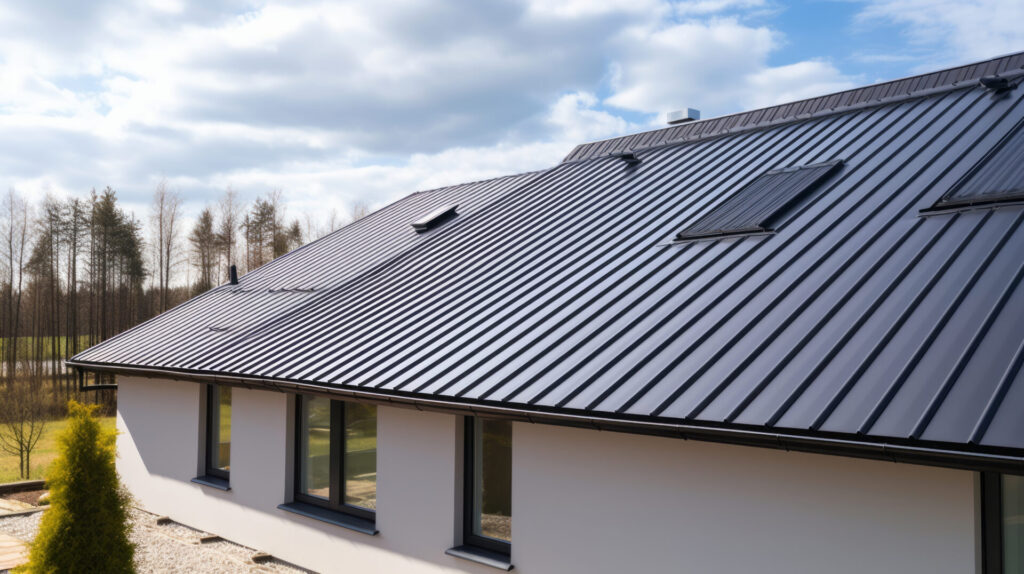
A roof estimate isn’t just a rough guess. It is a detailed document that outlines materials, labor, permits, and warranty details. Contractors typically include measurements of the roof’s square footage, number of layers being removed, disposal costs, and type of materials chosen.
The accuracy of a roof estimate is critical. A well-prepared estimate not only provides a financial roadmap but also helps prevent misunderstandings between homeowners and contractors. Property owners need to compare multiple estimates to evaluate both pricing and the level of detail provided. A vague or incomplete estimate may be a red flag, suggesting the contractor has overlooked key factors.
Technology in Modern Roof Estimates
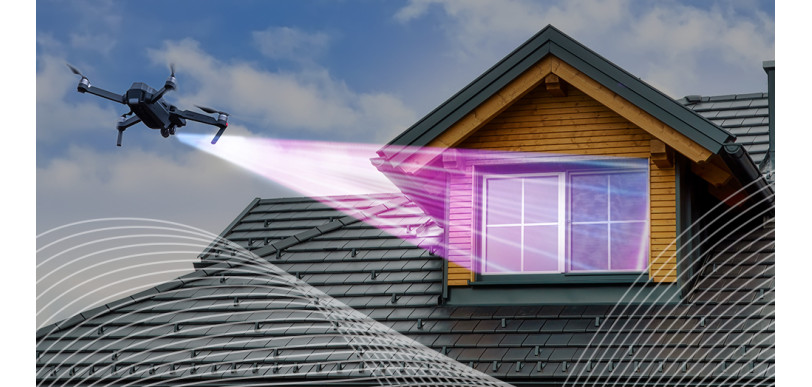
Advancements in technology have transformed how roofing contractors deliver estimates. Drones equipped with high-resolution cameras now allow for aerial inspections, capturing measurements, and detecting damage without the need for ladders. This approach enhances safety and ensures accuracy.
In addition, 3D modeling software creates digital roof maps, showing slopes, ridges, and potential problem areas. Some companies use artificial intelligence tools to predict long-term wear patterns or energy efficiency gains based on the type of roofing material selected. These technologies help homeowners get precise, data-driven estimates that reduce the chances of hidden costs emerging later.
Real-World Examples of Roof Estimates
Asphalt Shingle Roof Estimate
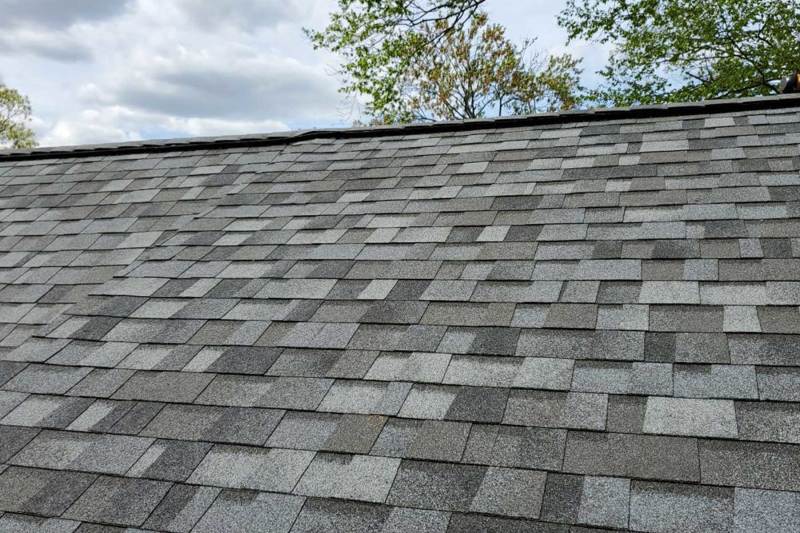
One of the most common roofing materials in the U.S. is asphalt shingles. An estimate for this type of roof usually includes removal of old shingles, underlayment replacement, installation of new shingles, and disposal costs. Asphalt shingles are popular because of their affordability and durability, but costs can still vary widely depending on roof size and pitch.
Contractors specializing in asphalt shingle installations often use drone technology to ensure precise measurements. This reduces material waste and ensures estimates align closely with the actual project total.
Metal Roof Estimate
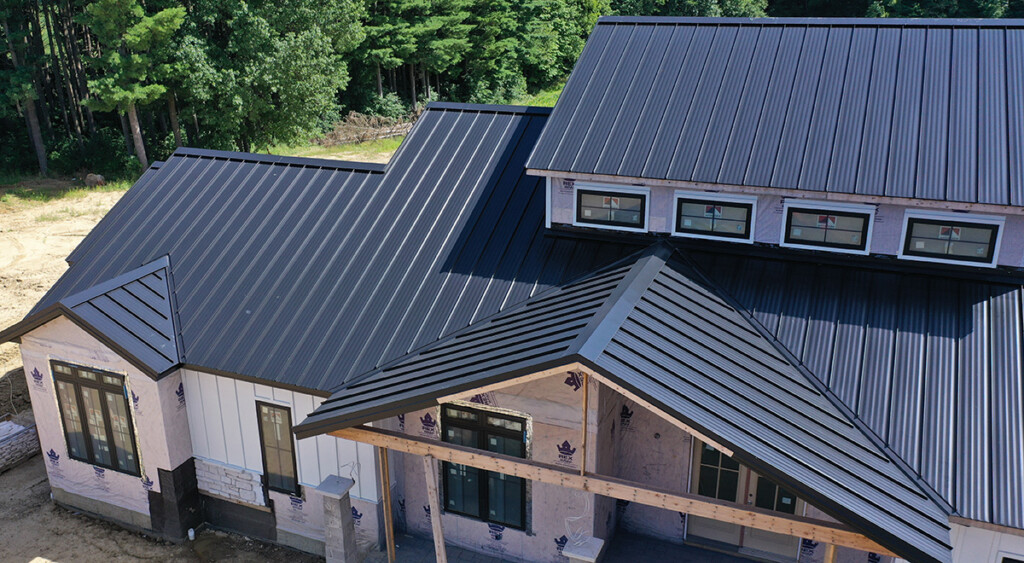
Metal roofs are gaining popularity due to their long lifespan and energy efficiency. Estimates for metal roofing projects often appear higher than shingles at first glance, but they factor in decades of durability and minimal maintenance.
A detailed estimate for a metal roof will include specialized fasteners, flashing, and possibly sound-dampening underlayment. Many metal roofing companies now provide computer-generated 3D visuals so homeowners can see exactly how their property will look once the project is complete, giving clarity before signing a contract.
Flat Roof Estimate for Commercial Properties
For commercial or multi-family buildings, flat roofs require specialized materials like modified bitumen, TPO, or EPDM membranes. Estimates for these projects typically include insulation layers, drainage systems, and protective coatings.
Flat roof estimates often rely heavily on thermal imaging technology to detect leaks and insulation failures. This allows contractors to address problem areas upfront, preventing expensive repairs later. Accurate flat roof estimates protect businesses from unexpected budget overruns while ensuring compliance with building codes.
Slate Roof Estimate
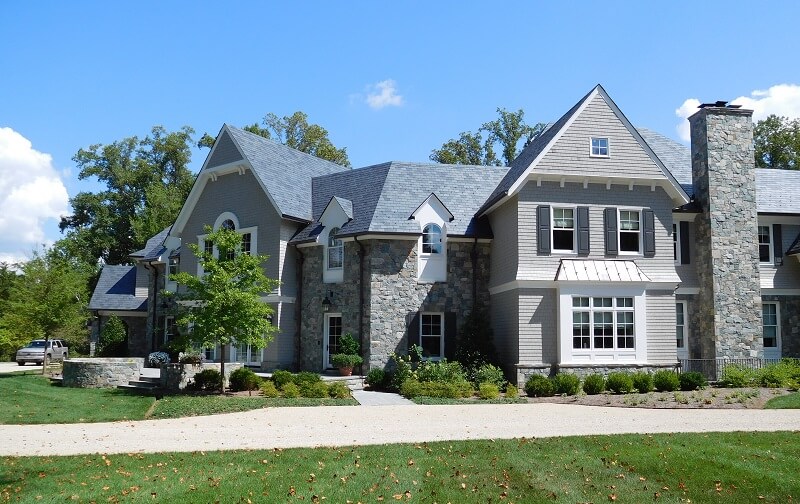
Slate roofs are known for their elegance and extreme longevity, often lasting a century. However, estimates for slate roofing are significantly higher because of material costs and specialized installation skills.
An estimate for slate roofing will often include reinforcement of the roof structure to support the additional weight. Companies providing these estimates usually conduct extensive site inspections and structural assessments before finalizing the projected cost, ensuring the investment matches the property’s needs.
Storm Damage Roof Estimate
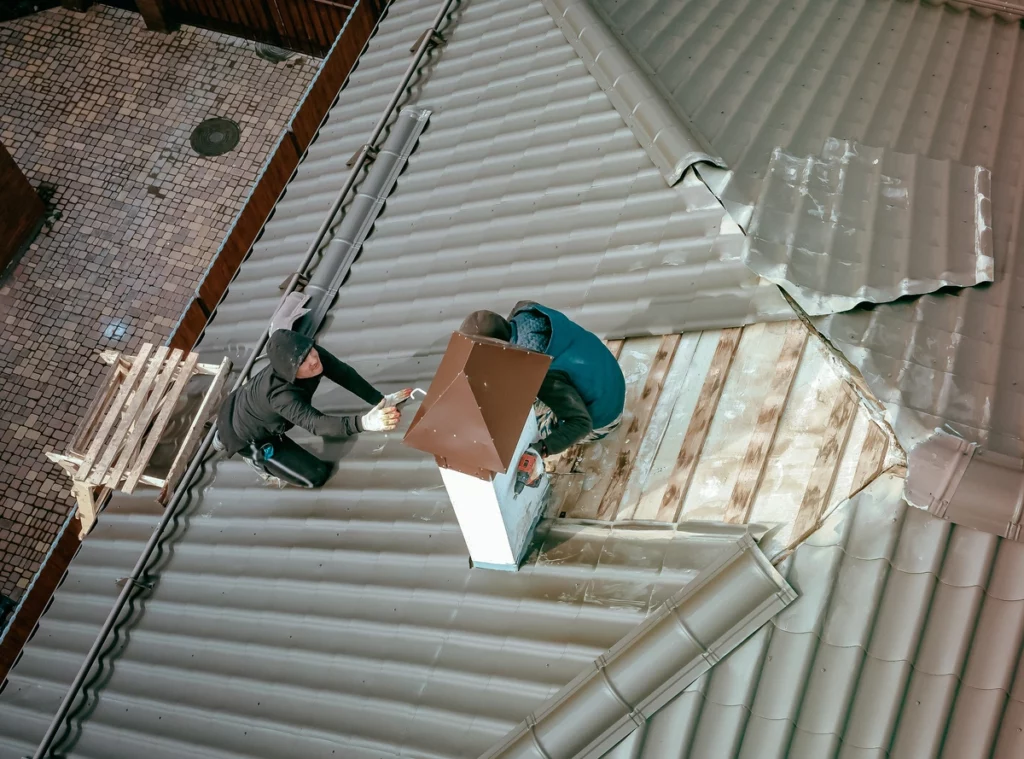
After severe weather, homeowners often need quick roof estimates for insurance claims. These estimates typically document missing shingles, water damage, flashing issues, and gutter problems.
Companies specializing in storm damage estimates often work directly with insurance adjusters, ensuring all necessary repairs are included. This prevents disputes and delays in claims processing, helping homeowners restore their property faster.
Benefits of Using Technology for Roof Estimates
Technology streamlines the estimate process in several practical ways. Digital tools increase measurement accuracy, reducing the risk of over-ordering or under-ordering materials. This helps control costs and minimizes waste.
Homeowners also benefit from greater transparency. 3D renderings and drone photos provide a visual record, making it easier to understand why certain repairs or upgrades are necessary. For those filing insurance claims, digital reports serve as reliable documentation that supports claim approval.
Additionally, technology improves efficiency. Instead of waiting days for manual measurements, homeowners can now receive same-day or next-day estimates, accelerating project planning.
Practical Use Cases for Getting a Roof Estimate
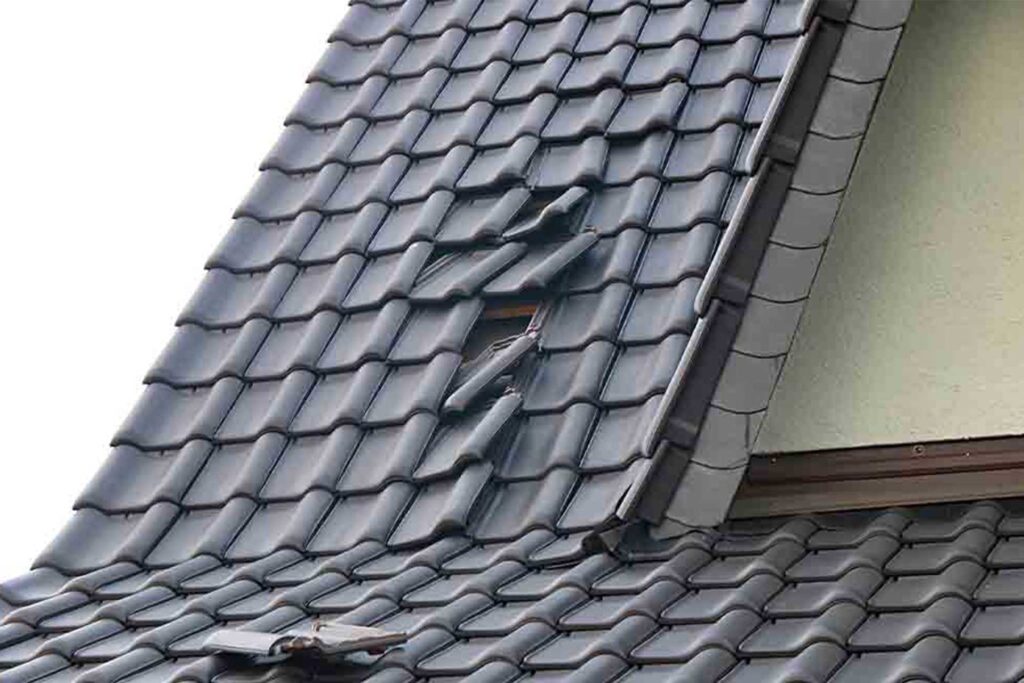
Roof estimates are essential in several real-world scenarios:
-
Replacing Aging Roofs: Homeowners with 20–30-year-old shingles need accurate estimates to plan for replacements.
-
Post-Storm Repairs: Estimates document damage for insurance and guide repair costs.
-
Home Sales: Sellers often get roof estimates to negotiate with buyers or address issues before listing.
-
Energy Efficiency Upgrades: Estimates for metal or cool roofing highlight long-term savings.
-
Commercial Maintenance: Businesses rely on estimates to budget for flat roof repairs or replacements.
In all these cases, estimates serve as both financial and strategic tools, helping property owners plan with confidence.
Frequently Asked Questions
1. How long does it take to get a roof estimate?
Most professional contractors can provide an estimate within 24–72 hours, depending on the complexity of the roof and whether technology such as drones is used for measurements.
2. Can I trust an online roof estimate calculator?
Online calculators can provide rough estimates, but they rarely factor in details like local labor rates, roof pitch, and hidden damage. A professional inspection is always more accurate.
3. Do I need multiple roof estimates?
Yes. Gathering at least three estimates helps homeowners compare pricing, materials, and services. It also ensures that you are selecting a contractor who provides detailed and transparent breakdowns.