Modern exteriors by design represent a growing trend in both residential and commercial architecture. This approach emphasizes clean lines, innovative use of materials, energy efficiency, and aesthetic appeal. By blending contemporary styles with functional elements, modern exterior design transforms buildings into visually striking yet practical spaces.
The rise of modern exteriors is linked to advances in building materials, sustainability practices, and architectural creativity. From sleek glass facades to textured finishes, modern exterior designs offer endless opportunities for personalization while meeting environmental and structural demands.
What Does Modern Exteriors by Design Mean?
Modern exteriors by design refer to the planning and execution of architectural features that create a contemporary look and feel. It goes beyond surface aesthetics, incorporating sustainable technologies, energy efficiency, and innovative construction techniques.
This design philosophy often integrates natural light, open layouts, and harmony between indoor and outdoor spaces. Unlike traditional styles that rely heavily on decorative elements, modern exteriors prioritize minimalism, functionality, and environmental performance.
Core Features of Modern Exterior Design
Minimalism and Clean Lines
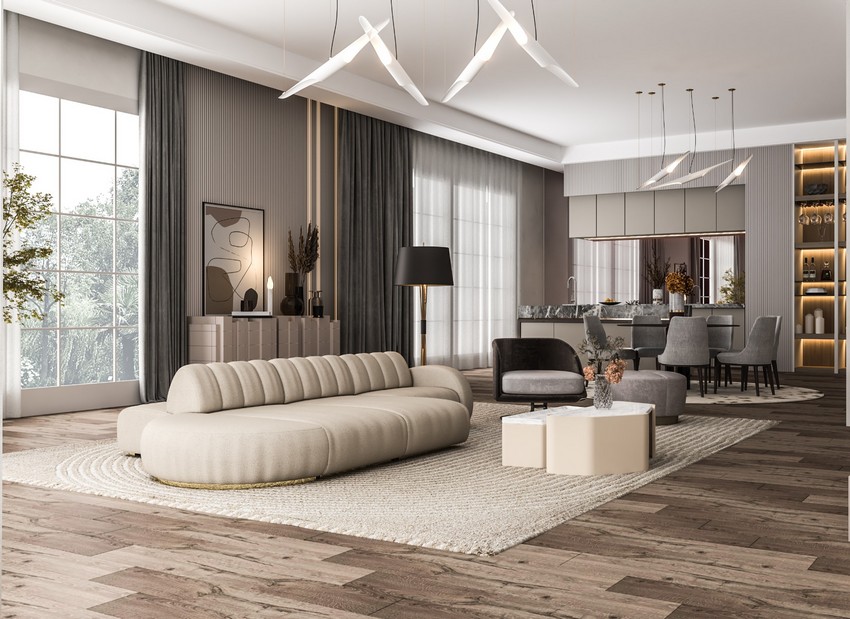
Minimalism is central to modern exteriors by design. Buildings often feature sharp angles, flat roofs, and uncluttered facades. The simplicity of form allows other aspects—like materials and lighting—to stand out.
This approach creates a timeless appearance that adapts well to urban and suburban settings, making it suitable for both residential and commercial properties.
Integration of Natural Elements
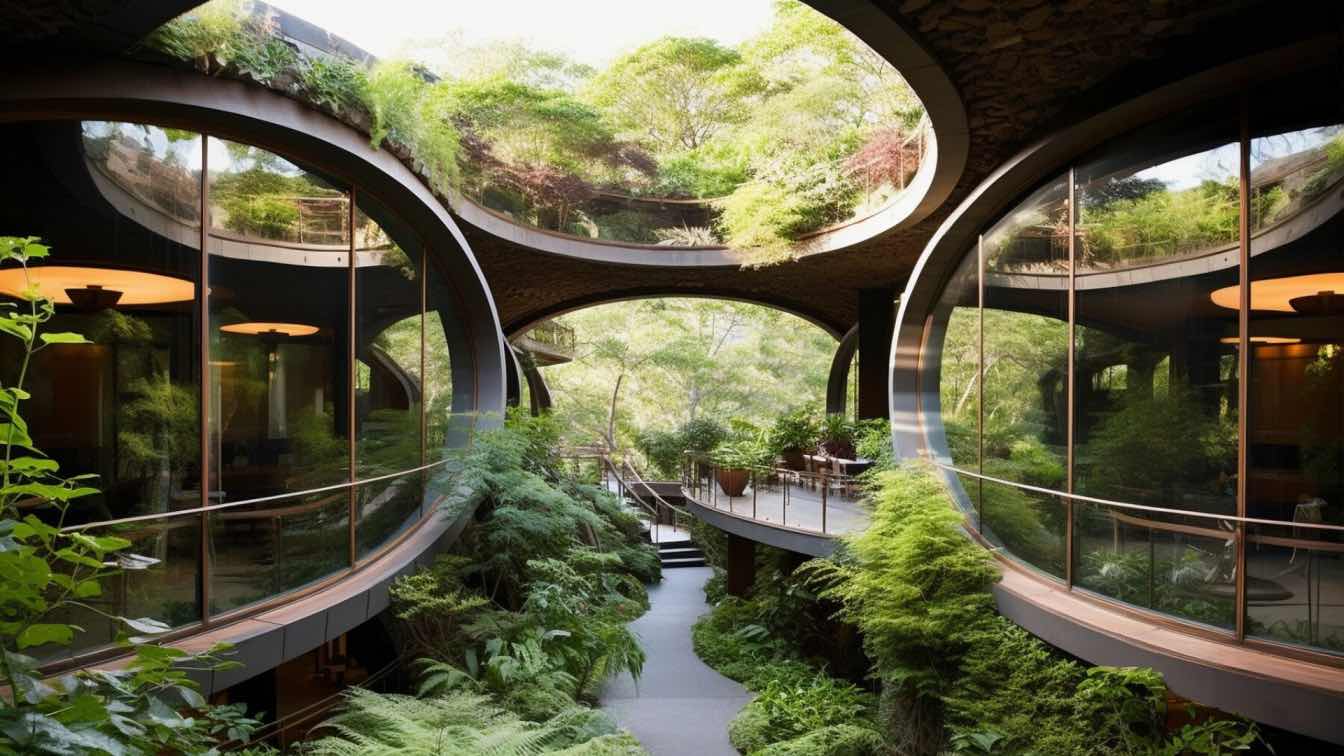
Modern exterior design frequently incorporates natural elements like wood, stone, and greenery. These elements balance the sleekness of glass and steel, providing warmth and sustainability.
Green walls, rooftop gardens, and wooden cladding are common ways to blend natural materials with contemporary aesthetics, ensuring a connection between architecture and the environment.
Use of Innovative Materials
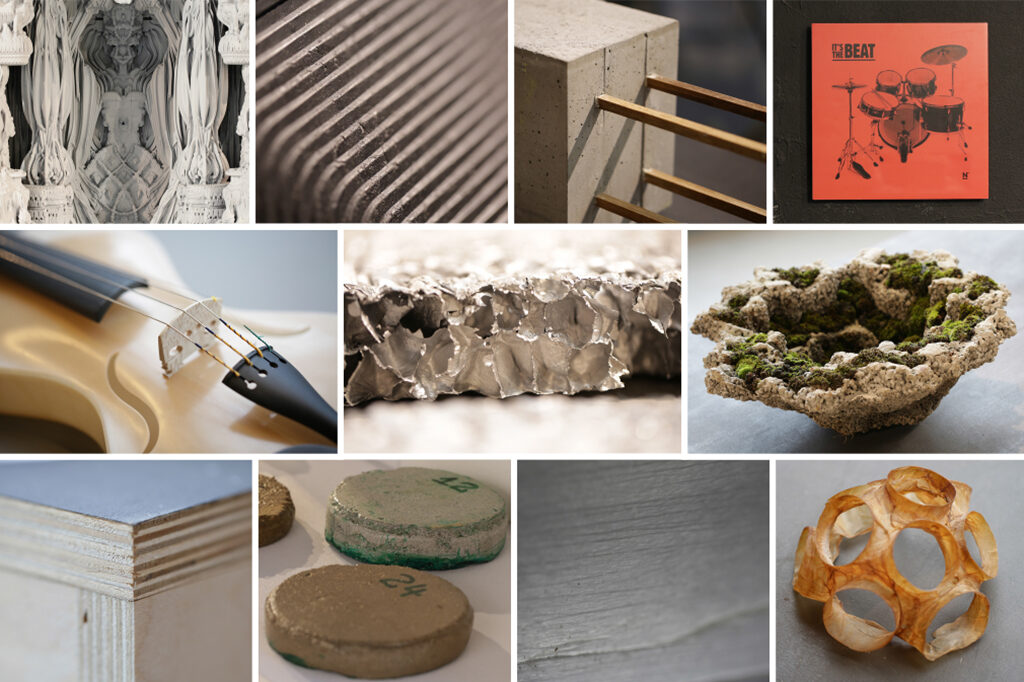
Contemporary exteriors employ advanced materials such as fiber cement panels, aluminum cladding, and high-performance glass. These materials provide durability while maintaining a sleek aesthetic.
Not only do these innovations improve structural resilience, but they also offer energy-saving benefits, enhancing the long-term sustainability of buildings.
Benefits of Modern Exteriors by Design
Modern exterior designs provide several practical and aesthetic advantages:
- Energy Efficiency: Through advanced insulation, solar integration, and reflective materials, modern exteriors reduce energy consumption.
- Durability: High-performance materials withstand harsh weather conditions and require less maintenance.
- Aesthetic Appeal: Clean lines, symmetry, and a minimalist look enhance property value and visual impact.
- Sustainability: Eco-friendly materials and green spaces contribute to environmental preservation.
- Customization: A Wide range of finishes and design elements allows for unique personalization.
Real-World Examples of Modern Exteriors by Design
Glass-Dominated Residential Homes
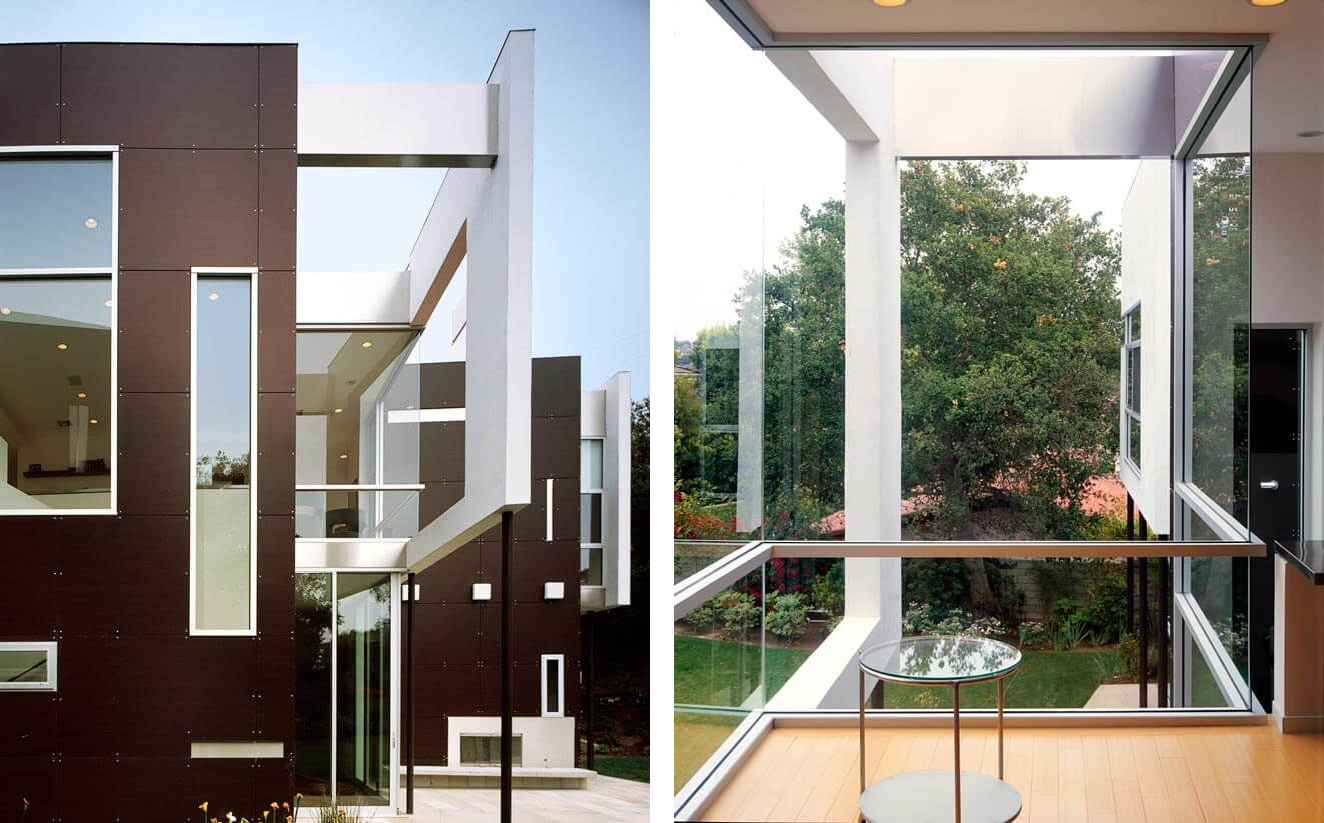
Modern homes often use expansive glass facades to maximize natural light. For example, contemporary villas and suburban houses use floor-to-ceiling windows that create seamless transitions between indoor and outdoor spaces.
These homes highlight how glass not only enhances aesthetics but also supports energy efficiency by reducing reliance on artificial lighting.
Urban Office Buildings
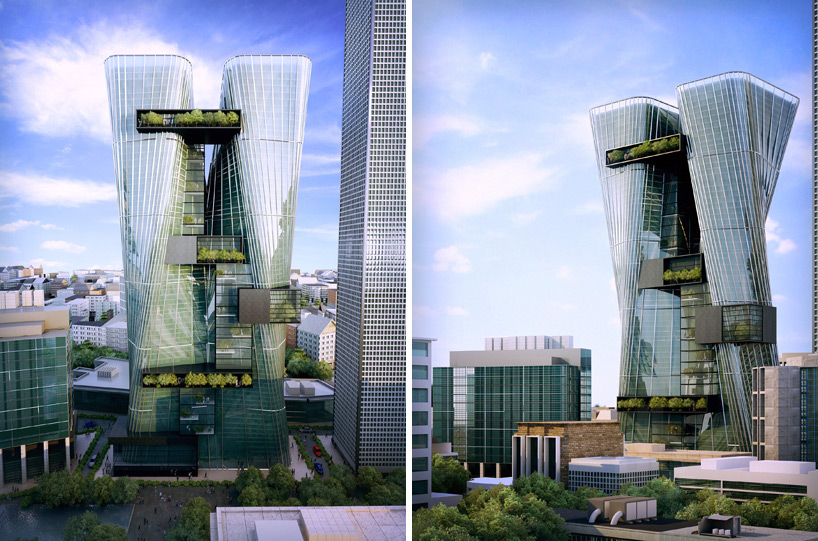
Modern office complexes frequently showcase aluminum and glass cladding for sleek, professional exteriors. For instance, business towers in major cities often combine reflective glass with geometric designs to project innovation and professionalism.
Such buildings demonstrate how exterior design can impact branding, attracting businesses and tenants who value contemporary aesthetics.
Sustainable Community Centers
Community buildings designed with modern exteriors often incorporate eco-friendly technologies such as solar panels and rainwater harvesting systems. For example, sustainable centers in urban areas feature wooden cladding, green roofs, and large windows to reduce energy usage.
This shows how design can extend beyond aesthetics to improve environmental sustainability and community engagement.
Luxury Apartment Complexes
High-rise residential complexes often use mixed materials like concrete, steel, and stone finishes for an upscale look. These exteriors are complemented by balconies, open terraces, and greenery to provide both style and comfort.
Such examples highlight the versatility of modern exteriors in creating visually appealing yet practical living spaces.
Practical Use Cases of Modern Exterior Design
Modern exteriors by design address multiple real-life challenges:
- Climate Adaptation: Buildings in hot climates use reflective materials and shaded facades to minimize heat absorption.
- Urban Density: High-rise complexes with modern exteriors maximize living space while maintaining aesthetic appeal.
- Sustainability Goals: Public and private buildings use eco-friendly materials and designs to meet environmental targets.
- Property Value Enhancement: Modernized exteriors significantly increase the resale and rental value of properties.
The Role of Technology in Modern Exterior Design
Advances in technology are driving the evolution of modern exteriors. 3D modeling software enables architects to create precise, detailed renderings before construction. Smart materials, like self-cleaning glass and thermal panels, are being integrated into modern buildings.
Lighting technology also plays a vital role. LED systems and solar-powered exterior lights enhance the nighttime appeal of modern structures while reducing energy consumption.
Future of Modern Exteriors by Design
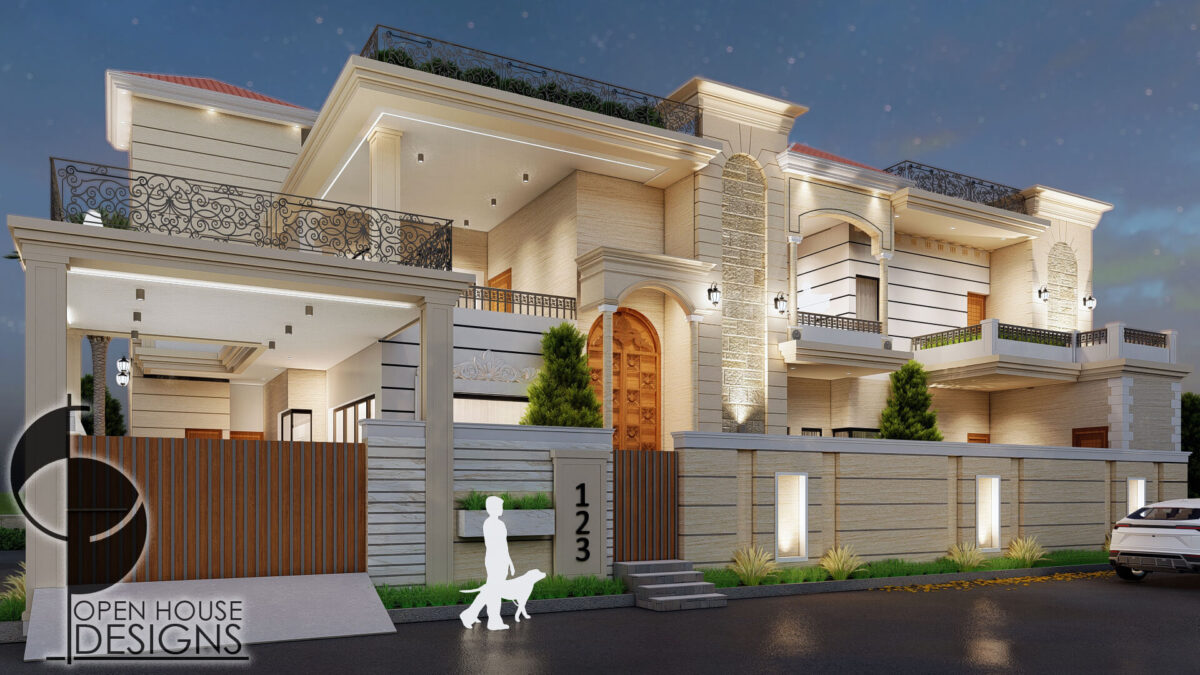
The future of modern exteriors will continue to prioritize sustainability and technology. Developments such as carbon-neutral materials, AI-assisted design, and climate-responsive facades are set to transform architecture.
As urban populations grow, the demand for efficient, sustainable, and stylish exterior solutions will increase, making modern exterior design a cornerstone of future construction.
Frequently Asked Questions
1. How do modern exteriors differ from traditional designs?
Modern exteriors emphasize minimalism, energy efficiency, and innovative materials, whereas traditional designs often focus on ornamentation and classical aesthetics.
2. Can modern exteriors improve property value?
Yes, modern exterior upgrades can significantly increase a property’s value by enhancing both appearance and functionality.
3. Are modern exteriors environmentally friendly?
Many modern exterior designs use eco-friendly materials and technologies, such as green walls and solar panels, to reduce environmental impact.