3D rendering exterior has revolutionized how architects, designers, developers, and homeowners plan building projects. By transforming digital models into photorealistic images, 3D rendering provides a clear and detailed visualization of a building’s exterior before construction begins. This allows for precise decision-making, creative experimentation, and stronger communication between stakeholders.
As technology advances, 3D exterior rendering has become a cornerstone of modern architectural planning. It combines aesthetics with functionality, ensuring that design choices align with client expectations, building regulations, and environmental factors.
What is 3D Rendering Exterior?
3D rendering exterior is the process of creating digital, three-dimensional visualizations of a building’s external structure. Using specialized software, architects and designers produce lifelike images that showcase materials, textures, lighting, and landscaping.
Unlike flat drawings or 2D sketches, 3D renderings simulate real-world conditions. They allow viewers to see how a project will look under different weather, daylight, and seasonal variations, making them invaluable for planning and approvals.
Types of 3D Exterior Renderings
Photorealistic Renderings
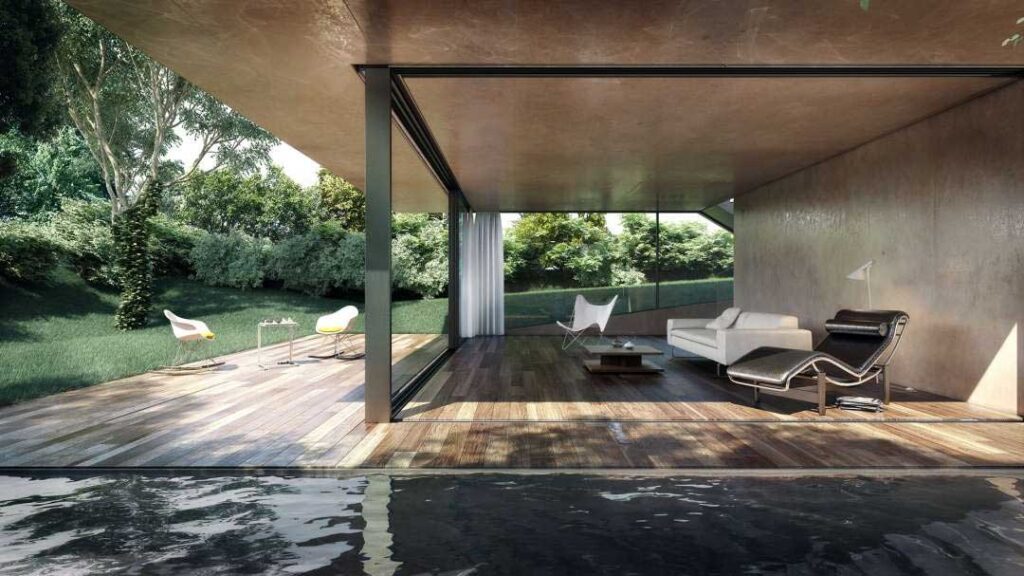
Photorealistic renderings replicate real-life conditions with incredible accuracy. By simulating shadows, reflections, and surface textures, these renderings are nearly indistinguishable from actual photographs.
They are widely used in marketing campaigns, client presentations, and luxury projects, as they offer clients the most realistic impression of the finished design.
Conceptual Renderings
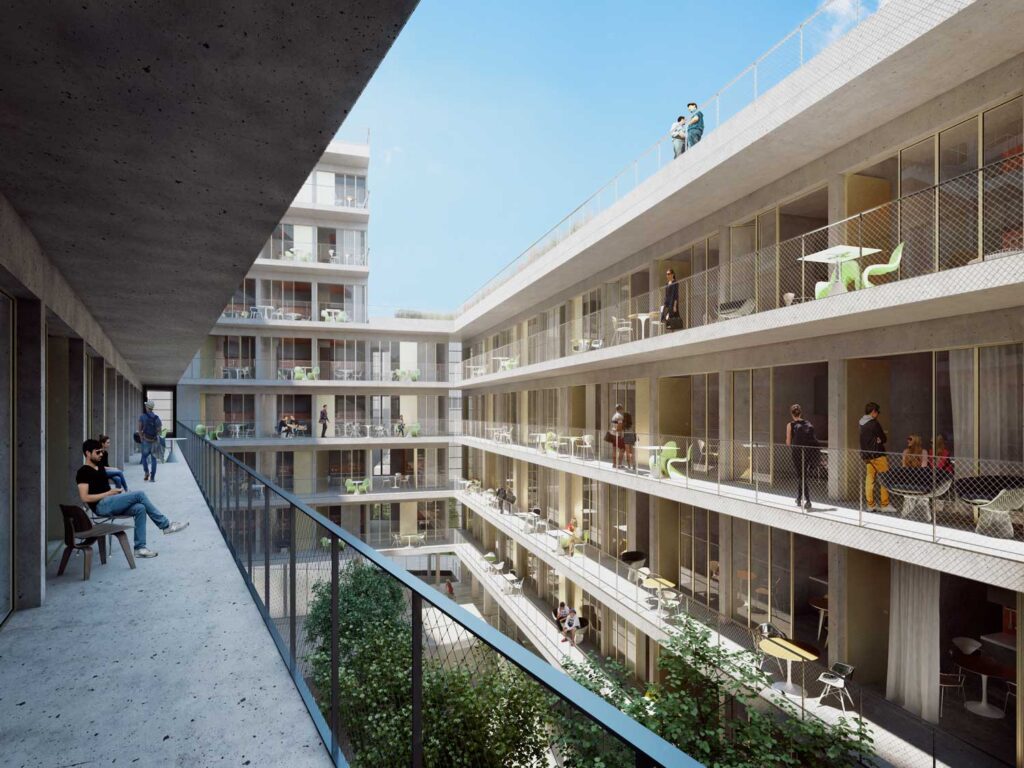
Conceptual renderings focus on creative exploration rather than pure realism. These designs often highlight themes, styles, or abstract ideas during the early phases of planning.
By presenting multiple versions of a concept, architects can experiment with different materials, layouts, or color schemes before narrowing down final details.
Aerial Renderings
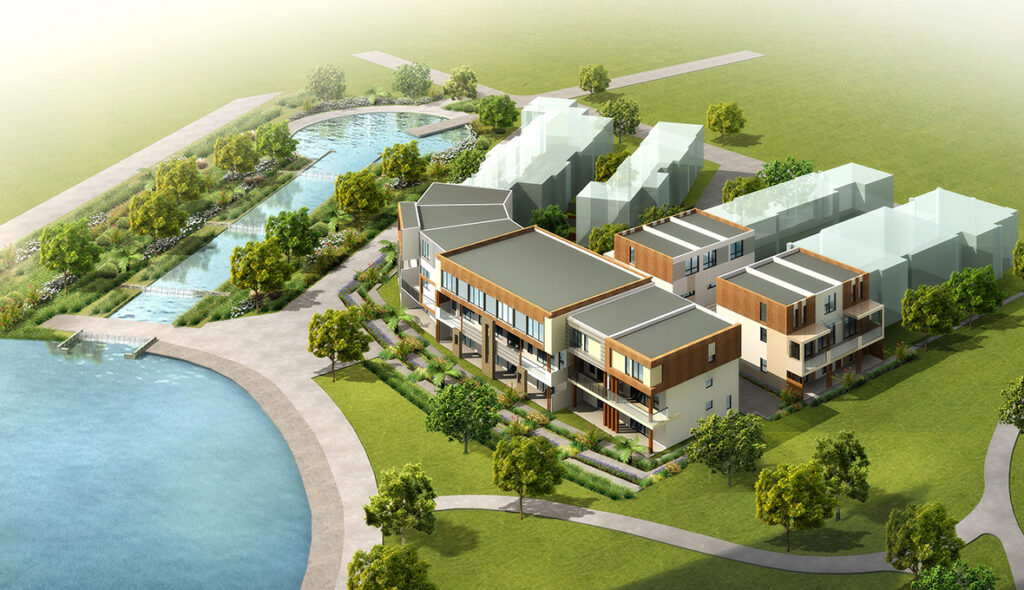
Aerial renderings showcase a building’s exterior from above, providing a bird’s-eye perspective. They are especially useful for large-scale developments, such as multi-unit complexes, resorts, or urban projects.
This type of rendering allows stakeholders to evaluate how a building fits into its surroundings, including roads, landscaping, and neighboring structures.
Walkthrough Animations
Beyond static images, walkthrough animations provide dynamic exterior visualizations. Viewers can virtually “walk around” the property, experiencing multiple angles, details, and lighting conditions.
These animations are increasingly popular in real estate and development, as they provide an immersive experience for potential buyers and investors.
Benefits of 3D Rendering Exterior
3D exterior renderings deliver significant advantages for all stakeholders:
- Visualization Accuracy: Clients see a lifelike representation of the final project.
- Error Prevention: Identifies design flaws or structural challenges before construction begins.
- Customization: Enables testing of multiple design variations, from materials to color schemes.
- Enhanced Marketing: Developers and real estate agents use renderings to attract investors and buyers before completion.
- Cost Efficiency: Minimizes costly construction changes by resolving design issues early.
Real-World Examples of 3D Rendering Exterior
Modern Residential Homeships
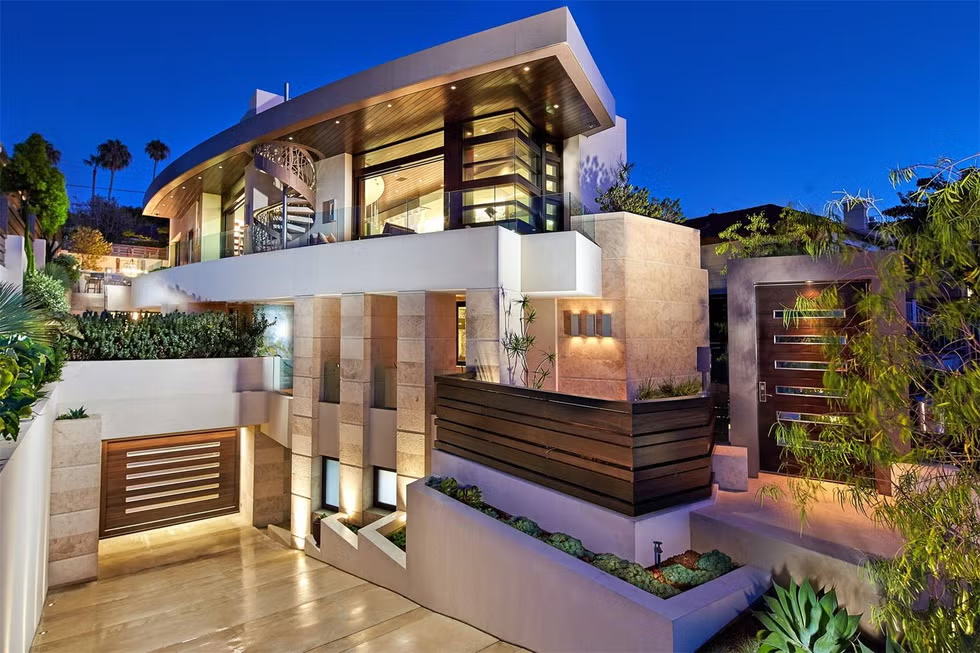
Architects use 3D exterior rendering to showcase modern residential designs. For instance, a suburban home with sleek glass panels and natural stone can be rendered in multiple lighting conditions to help homeowners decide on the right finish.
This ensures that families make informed choices about style and sustainability while visualizing their dream home before construction.
Luxury Resorts
High-end resorts rely on photorealistic 3D exterior renderings to market their projects. By showcasing detailed landscapes, pools, and architectural features, developers can attract investors and guests even before construction begins.
These renderings emphasize lifestyle elements, such as outdoor relaxation areas and unique architectural highlights, making them powerful marketing tools.
Commercial Office Buildings
Commercial projects, such as office towers, benefit from aerial and conceptual renderings. For example, urban office complexes use exterior renderings to display how glass facades interact with surrounding cityscapes.
This approach not only attracts tenants but also helps city planners approve projects by understanding how they integrate with existing urban designs.
Multi-Unit Housing Developments
Developers of apartment buildings and mixed-use projects heavily depend on 3D renderings. Renderings often include entire complexes, green areas, and parking facilities to demonstrate scale and livability.
By presenting a complete view, developers secure approvals faster and provide potential buyers with a clear vision of the finished community.
Practical Use Cases of 3D Exterior Rendering
3D exterior renderings address numerous real-life challenges:
- Design Validation: Homeowners and developers validate design choices before starting construction.
- Urban Planning: City planners use renderings to assess how buildings fit within existing environments.
- Real Estate Marketing: Agents market unfinished properties through lifelike visuals that inspire buyer confidence.
- Client Collaboration: Renderings reduce miscommunication by giving all stakeholders a unified vision of the project.
Role of Technology in 3D Exterior Rendering
Modern rendering software, such as Autodesk 3ds Max, Lumion, and V-Ray, has advanced the capabilities of 3D exterior visualization. These tools simulate real-world lighting, weather, and material textures to achieve high realism.
Emerging technologies like virtual reality (VR) and augmented reality (AR) are enhancing the rendering experience. Clients can now immerse themselves in a virtual environment, walking around and exploring properties before they are built.
Artificial intelligence (AI) also plays a growing role, automating repetitive tasks and generating fast, high-quality renderings for large-scale projects.
Future of 3D Rendering Exterior
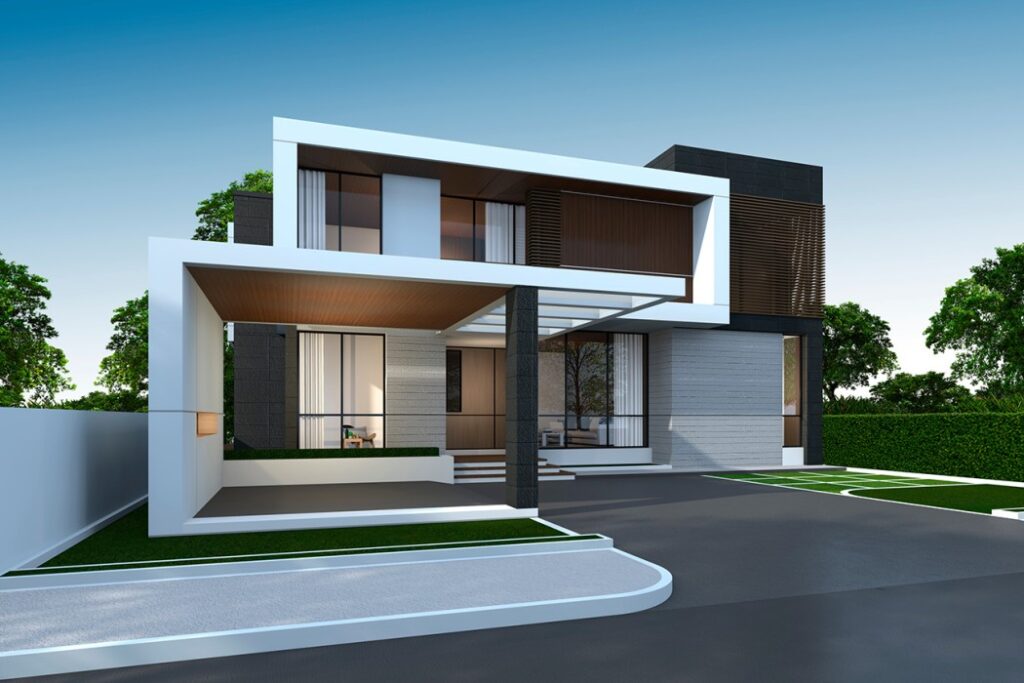
The future of 3D rendering exterior lies in sustainability, AI integration, and real-time rendering capabilities. As construction becomes more eco-conscious, renderings will incorporate simulations of energy efficiency, material sustainability, and environmental performance.
With real-time rendering, clients will instantly view design adjustments, making the decision-making process faster and more interactive. This shift will further strengthen 3D rendering’s role as an essential tool in architecture, design, and real estate.
Frequently Asked Questions
1. How realistic are 3D exterior renderings?
Modern photorealistic renderings are extremely realistic, often indistinguishable from actual photographs due to advanced lighting and texture simulations.
2. Who uses 3D exterior renderings?
They are widely used by architects, developers, real estate professionals, and homeowners to visualize and plan projects before construction.
3. Can 3D exterior renderings save money on construction projects?
Yes, by identifying issues early and allowing for precise design decisions, 3D renderings reduce costly changes during the building phase.