In today’s fast-paced architectural and real estate industries, 3D exterior rendering has become an essential tool for visualizing, planning, and presenting building designs. It transforms two-dimensional plans into realistic, photorealistic visuals that allow architects, developers, and clients to see exactly how a project will look before construction begins.
Beyond aesthetics, 3D exterior rendering also plays a vital role in communication, decision-making, and problem-solving. By leveraging advanced rendering software, projects can achieve greater efficiency, accuracy, and creativity than ever before.
What is 3D Exterior Rendering?
3D exterior rendering is the process of creating lifelike images or animations of a building’s exterior using specialized software. These renderings simulate lighting, materials, landscaping, and other environmental elements to present a detailed preview of the final design.
Unlike traditional sketches or blueprints, 3D exterior rendering provides a vivid, realistic representation that helps stakeholders envision how a project will integrate with its surroundings. This technology is now considered indispensable in both residential and commercial architectural projects.
Core Features of 3D Exterior Rendering
Realism and Photographic Accuracy

One of the most significant features of 3D exterior rendering is its ability to replicate real-world lighting, textures, and materials. Architects can show how sunlight interacts with a building, how shadows fall throughout the day, or how materials like wood, glass, and stone will appear in reality.
This realism bridges the gap between concept and reality, reducing misunderstandings and ensuring that all parties involved share the same vision for the project.
Versatility in Design Options
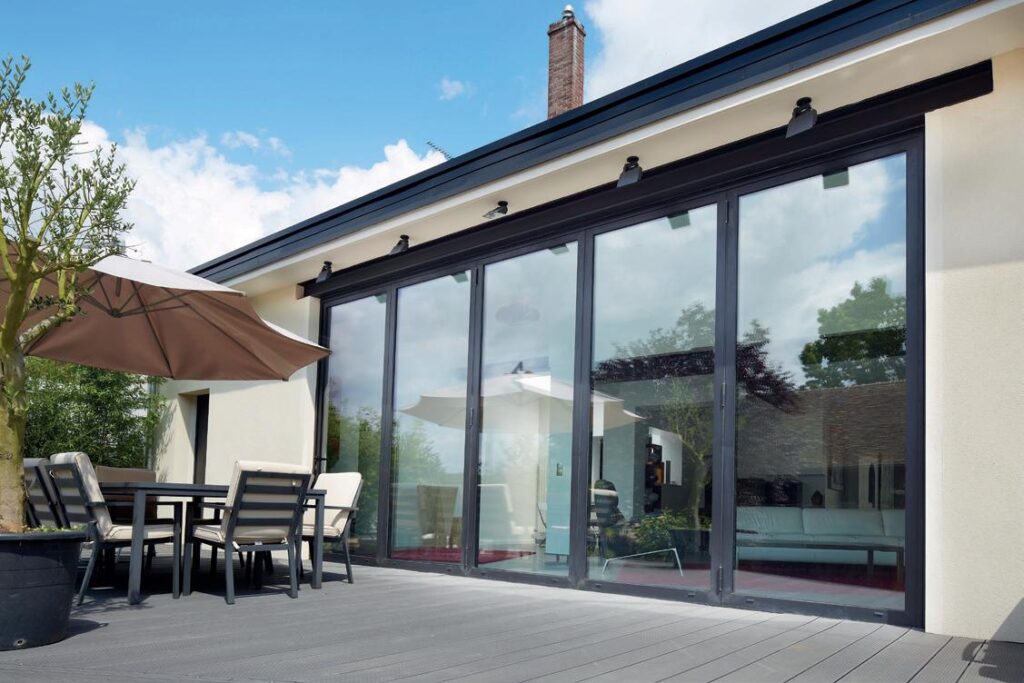
3D exterior rendering allows unlimited experimentation with design choices. Architects can swap materials, adjust landscaping, or change color schemes with ease, giving clients the ability to compare multiple options before committing to a decision.
This flexibility saves time and resources by minimizing revisions during construction while maximizing creativity in the design phase.
Integration with Modern Technologies
Modern rendering integrates seamlessly with CAD drawings, Building Information Modeling (BIM), and even Virtual Reality (VR). These integrations improve accuracy, streamline workflows, and enhance collaborative design processes.
For example, clients can take a virtual walkthrough of a property, experiencing their future home or office in an immersive way that static plans cannot provide.
Benefits of 3D Exterior Rendering
3D exterior rendering offers several practical and strategic benefits:
-
Improved Communication: Clear visuals reduce ambiguity between architects, builders, and clients.
-
Faster Decision-Making: Clients can confidently approve designs after seeing realistic renderings.
-
Cost Efficiency: Identifying design flaws early prevents costly construction mistakes.
-
Marketing Advantage: Renderings are powerful tools for real estate promotions, brochures, and digital campaigns.
-
Customization: Personalized solutions tailored to client needs without physical mockups.
Real-World Examples of 3D Exterior Rendering Applications
Residential Homes
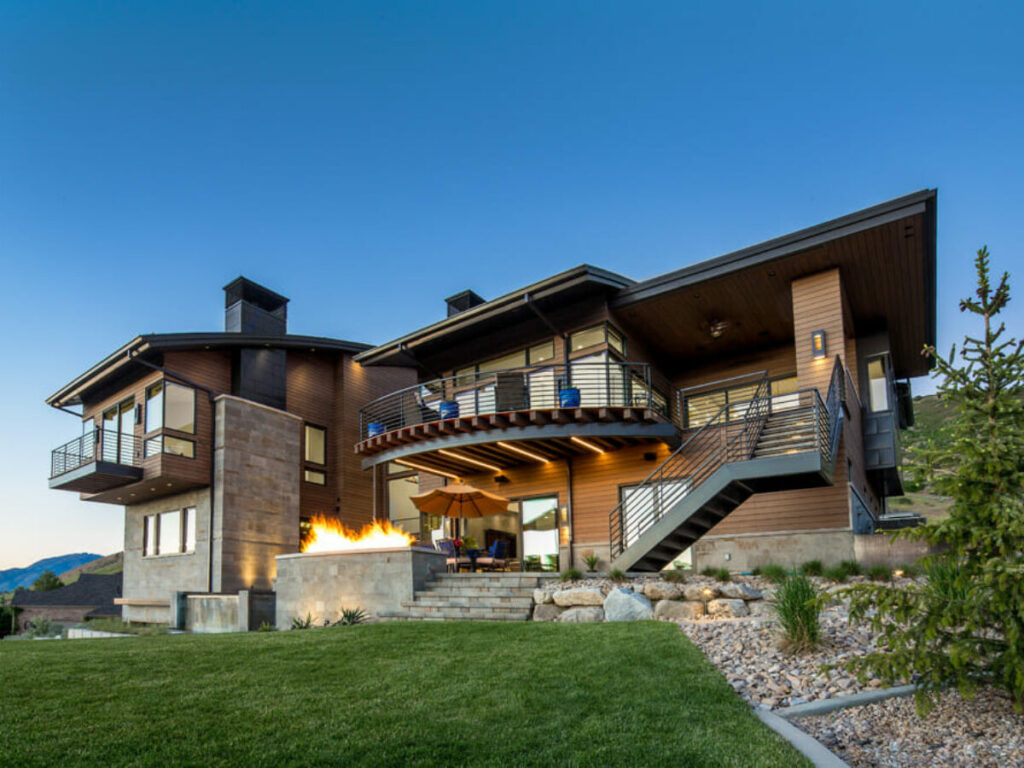
For single-family homes, 3D exterior rendering showcases architectural details like facades, rooflines, and landscaping. A modern suburban house rendering, for example, might demonstrate how stone veneer, large glass windows, and a landscaped driveway will harmonize together.
These renderings help homeowners see their dream projects come to life, ensuring alignment with their expectations.
Luxury Villas and Estates
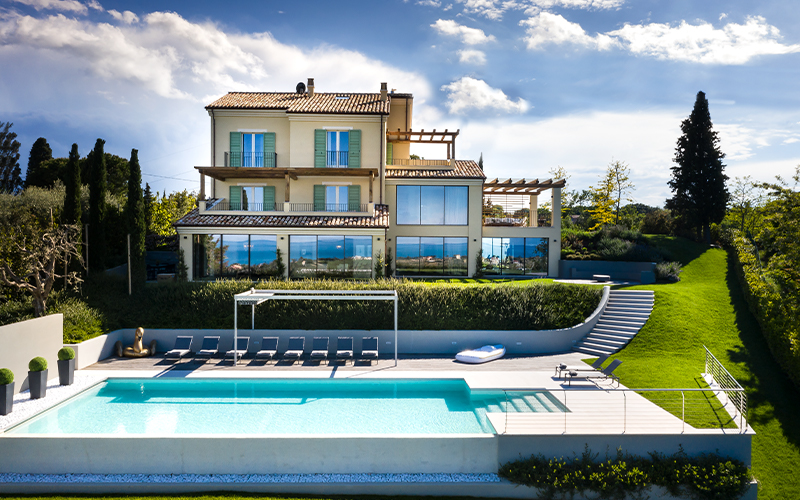
High-end villas often feature expansive outdoor spaces, unique architectural features, and customized materials. 3D exterior rendering illustrates how large glass walls, infinity pools, or natural stone cladding will look in reality.
For clients investing in luxury properties, such renderings serve as persuasive presentations, emphasizing exclusivity and detail.
Commercial Complexes
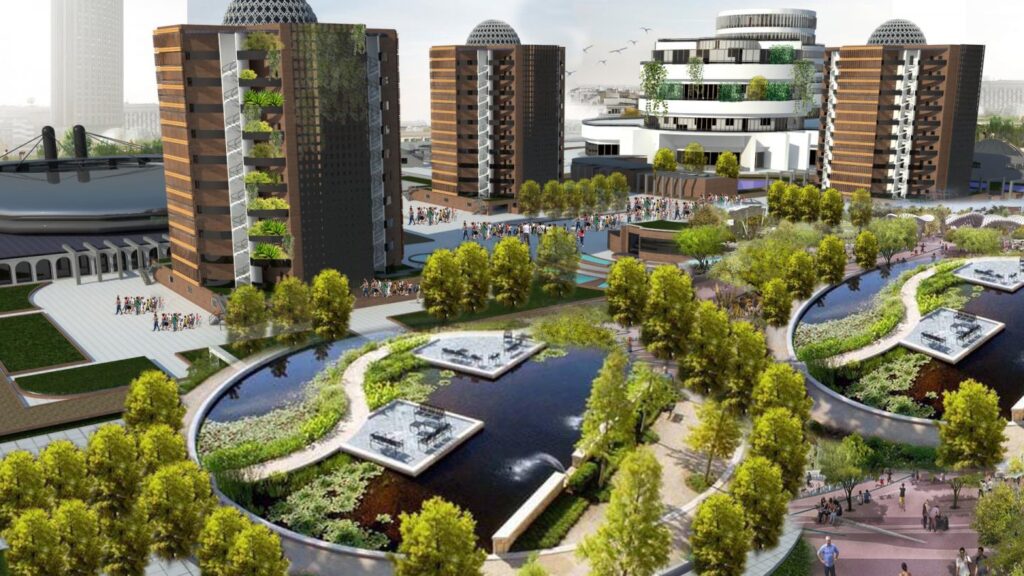
Office complexes, shopping malls, and mixed-use developments benefit greatly from 3D exterior rendering. Developers use renderings to highlight large glass facades, parking layouts, and integration with urban surroundings.
These visuals assist not only in client approvals but also in marketing campaigns, showcasing the commercial project’s appeal to potential investors and tenants.
Hospitality Projects
Hotels and resorts rely heavily on exterior rendering to present potential guests with visually stunning previews of the property. Renderings capture landscaped gardens, pool areas, and building exteriors under different lighting conditions.
This enhances branding and helps hospitality businesses market their properties even before construction begins.
Historic Renovations
For heritage buildings undergoing renovation, 3D exterior rendering demonstrates how modern interventions blend with historical elements. It helps preserve architectural authenticity while showcasing improvements like updated facades or new structural additions.
This application is critical for city planners and preservation boards when approving renovation projects.
Practical Use Cases of 3D Exterior Rendering
-
Urban Planning: City planners use renderings to visualize new developments within existing neighborhoods.
-
Client Presentations: Renderings simplify complex architectural concepts, making them understandable for non-experts.
-
Real Estate Marketing: Developers showcase projects in brochures, websites, and ads to attract buyers before construction.
-
Problem Solving: Renderings identify potential design conflicts, such as poor natural light or mismatched materials.
Role of Technology in 3D Exterior Rendering
Technology plays a critical role in the evolution of rendering services. Advanced software like 3ds Max, SketchUp, Lumion, and V-Ray enables architects to create highly detailed, realistic visuals.
Additionally, integration with VR and AR allows clients to immerse themselves in a project, walking through virtual environments that replicate the completed design. Artificial intelligence (AI) is also beginning to optimize rendering times, making workflows faster and more efficient.
Future of 3D Exterior Rendering
The future of 3D exterior rendering will focus on greater interactivity, sustainability, and efficiency. Smart rendering systems will allow instant design changes, while AI-powered simulations will predict environmental impacts such as energy efficiency or sunlight exposure.
As architecture moves toward greener, smarter cities, 3D rendering will play an even larger role in shaping how projects are designed, approved, and marketed.
Frequently Asked Questions
1. How accurate is a 3D exterior rendering compared to real construction?
3D exterior rendering is highly accurate, often within millimeters of real measurements when based on CAD or BIM data. The materials, textures, and lighting closely replicate real-world conditions, making the final renderings reliable previews.
2. Can 3D exterior rendering be used for marketing purposes?
Yes, it is widely used in real estate marketing to attract investors and buyers. Renderings allow developers to showcase projects before construction begins, making them effective promotional tools.
3. What is the difference between 2D drawings and 3D exterior renderings?
2D drawings provide technical blueprints, while 3D renderings bring designs to life with photorealistic visuals. Renderings allow clients to see how the finished project will look in its environment, which 2D drawings cannot achieve.