Local roof replacement is an essential home improvement service for property owners whose roofs are reaching the end of their lifespan or have suffered damage beyond repair. Unlike minor repairs, replacement involves removing old roofing materials and installing a completely new system to restore structural integrity, protect against weather, and improve curb appeal.
When handled by local roofing professionals, replacements come with added benefits. Local companies understand regional weather conditions, building codes, and material requirements, making them more reliable partners compared to non-local contractors. A roof replacement is both a long-term investment and a safeguard for the entire property.
Signs You Need a Roof Replacement
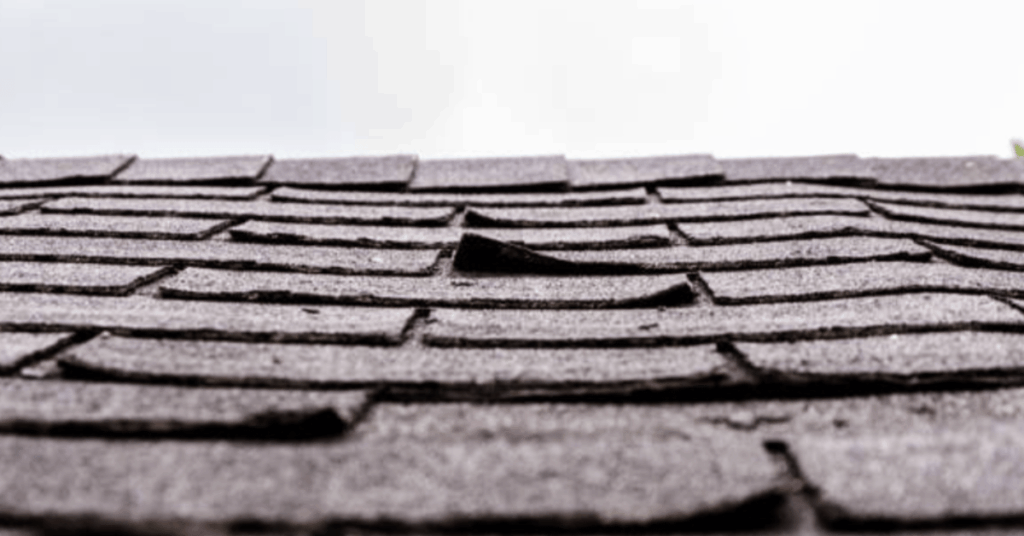
Roofs naturally deteriorate over time. Common signs of needing replacement include curling or missing shingles, frequent leaks, visible sagging, and water stains on ceilings or walls. If a roof is more than 20 years old, it is often more cost-effective to replace it than to continually repair it.
Another major sign is granule loss on asphalt shingles. When protective granules wear away, shingles lose their ability to repel UV rays and moisture. In commercial and residential settings alike, structural damage such as rotting wood decking beneath the roofing system can also signal that replacement is unavoidable.
Why Choose Local Roof Replacement Services
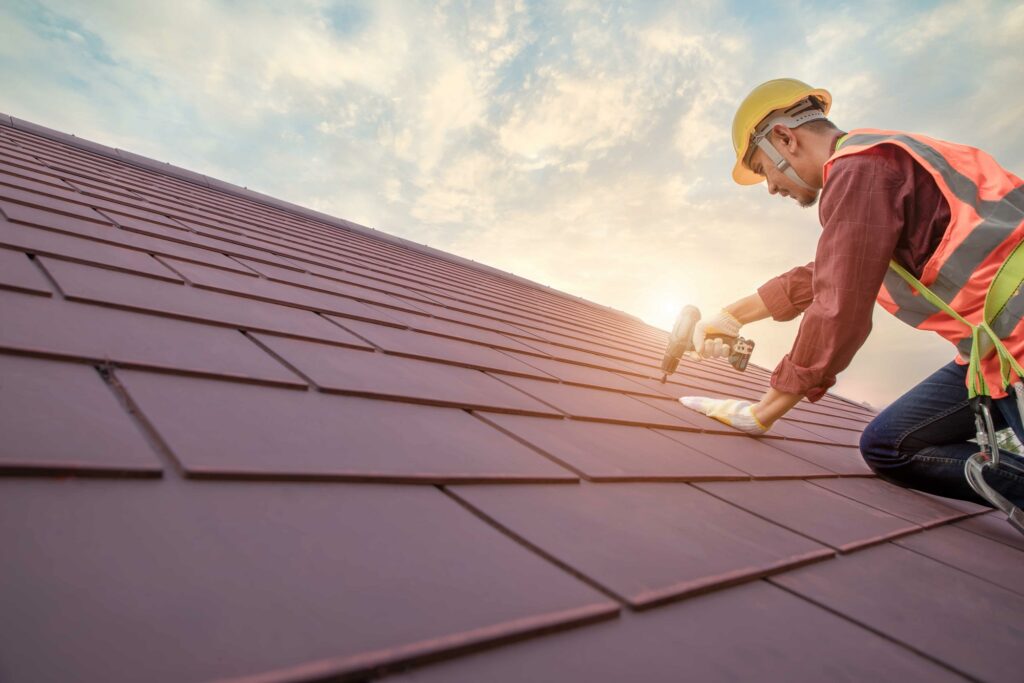
Working with local roofing companies provides key advantages. Local contractors are familiar with municipal codes, permitting processes, and insurance requirements, which streamlines the replacement process. They also know which roofing materials best withstand local climates, whether that means shingles resistant to high winds or roofing membranes designed for heavy rainfall.
Another major benefit is accessibility. Local roofers are easier to reach if warranty service or post-replacement issues arise. They often build long-term relationships with communities, which builds trust and accountability. Choosing local ensures that replacements are not only technically sound but also tailored to the region’s specific needs.
How Technology Enhances Local Roof Replacement
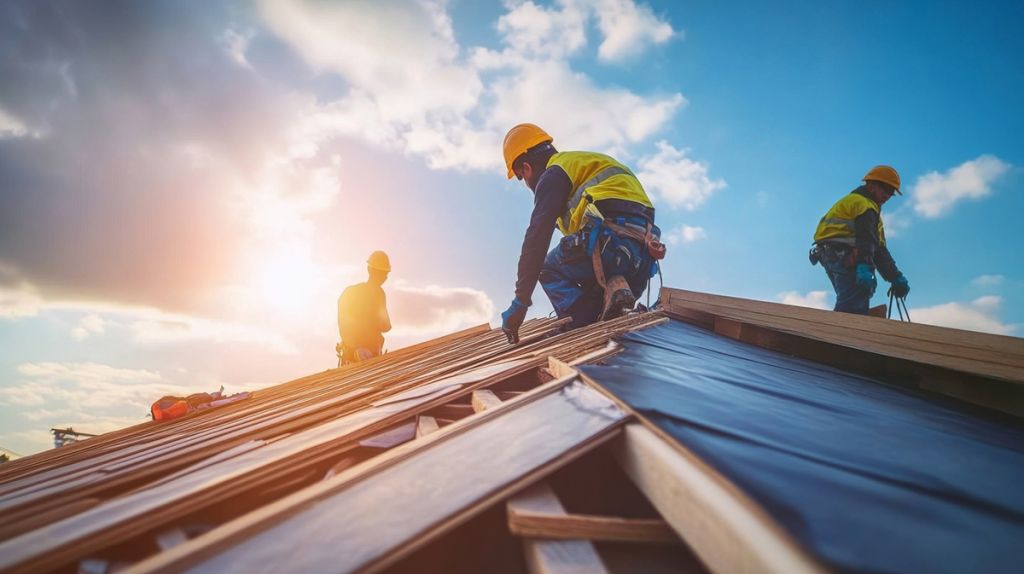
Technology is playing a vital role in modern roof replacements. Drones allow roofers to capture aerial footage and assess roof conditions with minimal safety risks. These inspections provide accurate measurements and high-resolution imagery that improve repair planning.
Thermal imaging devices further enhance accuracy by detecting moisture trapped beneath old roofing layers, ensuring that hidden damage is addressed before replacement. Additionally, software-driven platforms allow roofers to provide precise cost estimates and track projects from start to finish. These technologies make replacements faster, safer, and more cost-efficient for homeowners.
Real-World Examples of Local Roof Replacement
Asphalt Shingle Replacement
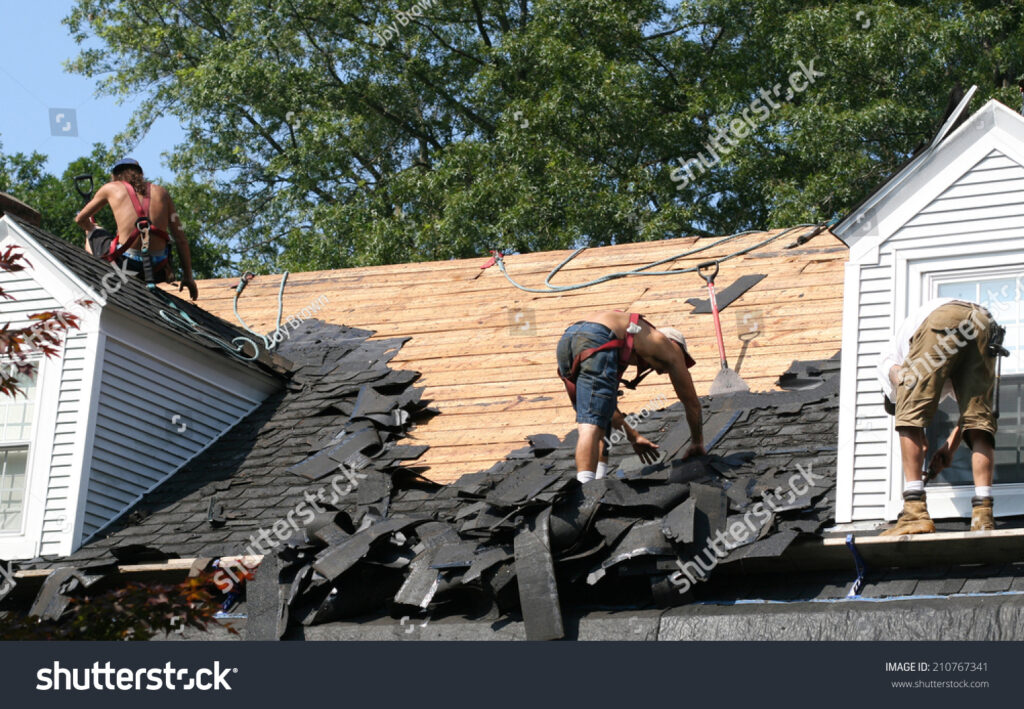
Asphalt shingles remain the most common roofing material for residential properties. A local roof replacement project often involves tearing off old shingles, inspecting the decking, and installing new, weather-resistant shingles. Local contractors can recommend shingles that match both aesthetic preferences and regional weather patterns.
This replacement type is cost-effective and versatile. For example, homeowners in storm-prone areas often benefit from impact-resistant shingles designed to withstand hail. The project restores curb appeal while significantly improving protection against the elements.
Metal Roof Upgrade
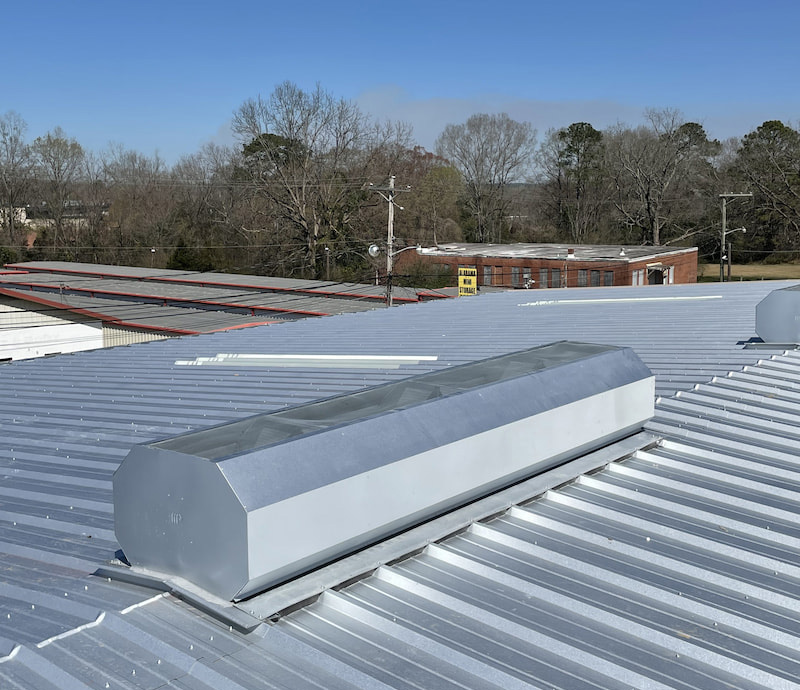
Many property owners are upgrading to metal roofing systems. Local replacements involving metal panels provide decades of durability and energy efficiency. These systems are particularly useful in regions with high wind or snow loads, as metal resists corrosion and sheds snow easily.
Metal replacements may cost more initially but reduce long-term maintenance. In real-world applications, commercial facilities like warehouses benefit from the strength of metal systems, while homeowners enjoy the modern aesthetic and fire-resistant properties.
Flat Roof Replacement for Commercial Buildings
Flat or low-slope roofs are common in commercial buildings. Local replacements often involve tearing out worn membranes like EPDM or TPO and installing new ones with heat-welded seams for waterproofing. Contractors may also add reflective coatings to improve energy efficiency.
Flat roof replacements are critical for businesses because they protect valuable assets, equipment, and inventory. By working with local roofers, building owners ensure compliance with commercial codes and receive timely service that minimizes operational disruptions.
Tile Roof Replacement
Tile roofs are popular in certain regions, particularly areas with hot climates. A local roof replacement project involving clay or concrete tiles provides both durability and timeless aesthetics. While heavier than shingles, tiles can last decades when properly installed.
Local expertise is especially important for tile replacements. Roofers must understand structural load requirements and regional code compliance to ensure safe installations. Tile replacements also add significant resale value to properties in markets where they are highly sought after.
Benefits of Local Roof Replacement
One of the biggest benefits of replacing a roof locally is improved durability and peace of mind. A new roof protects against leaks, mold growth, and structural deterioration. Property owners can also benefit from enhanced insulation, which reduces energy bills by keeping indoor spaces more comfortable year-round.
Another benefit is increased property value. A newly replaced roof is one of the most visible features of a home or building, making it a major selling point. In addition, insurance companies may provide more favorable terms after a replacement, as the risk of damage is significantly reduced.
Practical Use Cases for Local Roof Replacement
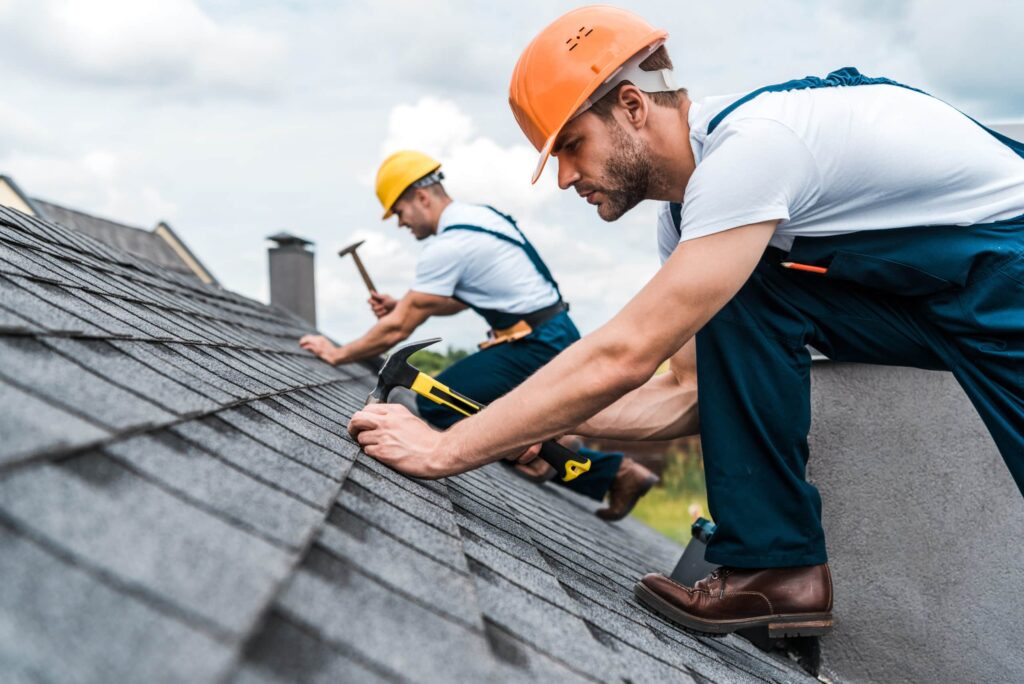
Local roof replacement proves useful across multiple scenarios:
-
Residential Properties: Homeowners with aging or storm-damaged roofs gain long-term protection and improved home aesthetics.
-
Commercial Buildings: Businesses avoid costly downtime by replacing failing flat or metal roofing systems.
-
Historic Homes: Local contractors familiar with regional architecture help preserve traditional looks with modern materials.
-
Weather-Prone Regions: In storm-heavy or snowy climates, replacements with durable materials safeguard property investments.
These examples highlight how replacement is not just maintenance; it is an essential investment in property safety and long-term value.
Frequently Asked Questions
1. How long does a local roof replacement usually take?
The duration depends on roof size, material, and weather. Most residential replacements take 1–3 days, while larger commercial projects may take several weeks.
2. Is roof replacement better than repeated repairs?
Yes. If a roof is severely aged or damaged, replacement is more cost-effective than continuous repairs, which only delay the inevitable and increase expenses over time.
3. Do local roof replacements come with warranties?
Most local roofing companies provide both manufacturer and workmanship warranties. This ensures that homeowners receive protection for materials and installation, giving them peace of mind after the project.